

What's Happening?
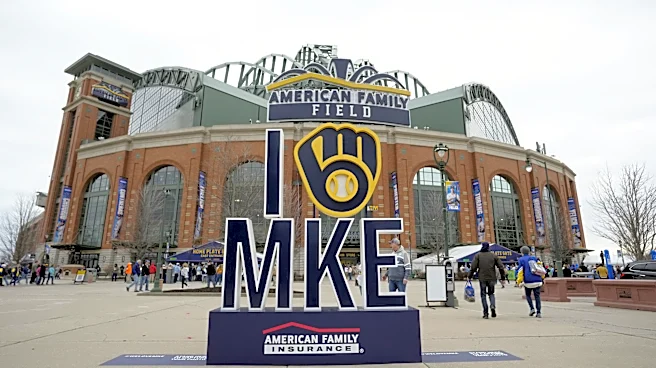
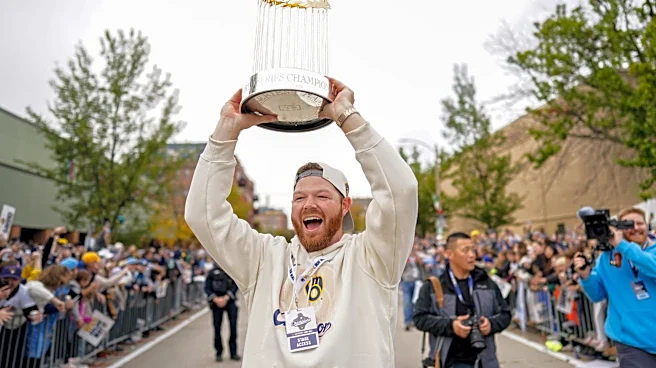
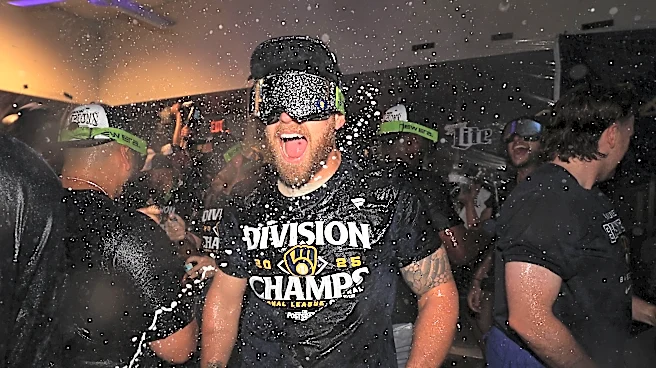
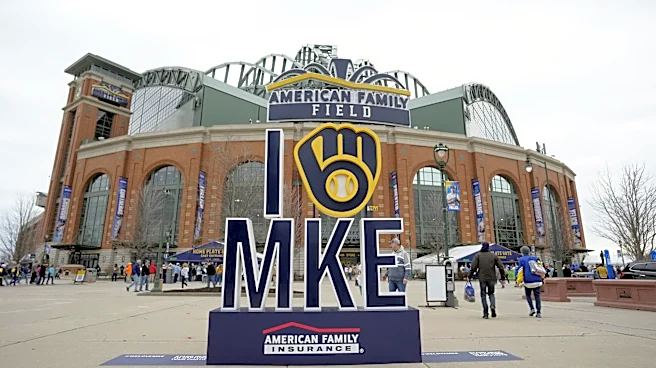
The Milwaukee Brewers, operating with the 19th-ranked payroll in Major League Baseball, secured their first-ever World Series title. This achievement has prompted discussions among MLB general managers about alternative team-building philosophies, particularly
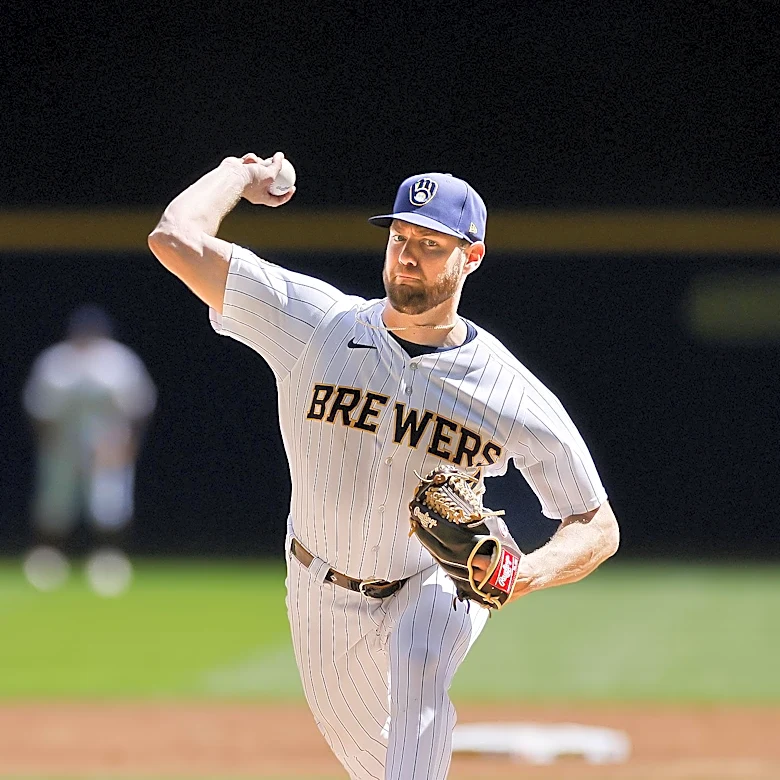
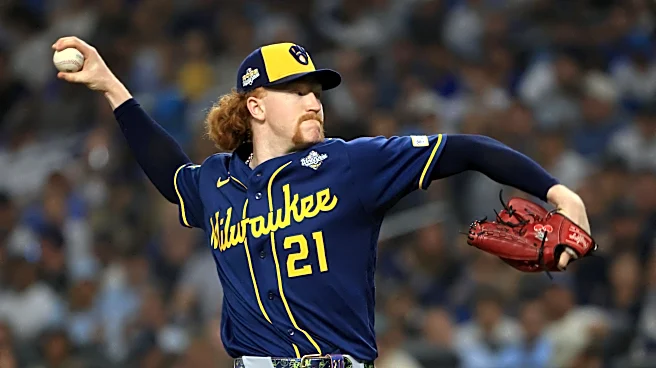
for lower-payroll organizations. Brewers president of baseball operations Matt Arnold highlighted the team's success despite financial disadvantages. The Brewers' strategy involved assembling a young, athletic roster that focused on selective at-bats, putting the ball in play, and aggressive baserunning. They exhibited the lowest chase rate in MLB and ranked second in runs scored without heavily relying on home runs during the regular season. Their postseason performance, however, showed an ability to hit home runs when necessary. Key to their success was strong pitching, including Jacob Misiorowski, who won a Cy Young Award, and a dominant bullpen that posted an 8-2 record with a 1.38 ERA and eight saves in the 2026 postseason. The team's player development system, which unearthed talents like Jackson Chourio and Cooper Pratt, and successful trade acquisitions, also played a significant role.
Why It's Important?
The Brewers' World Series win with a modest payroll challenges the long-held belief in MLB that high spending is a prerequisite for championship success. This outcome could influence how other small-market teams approach roster construction and player development, potentially leading to a shift away from solely pursuing high-priced sluggers. General managers like J.J. Picollo of the Royals and Chris Getz of the White Sox acknowledge the Brewers' model, emphasizing good pitching, defense, situational hitting, and baserunning as winning formulas. The success of the Brewers and Rays, another lower-payroll team, provides a blueprint for franchises with limited financial resources, suggesting that strategic player development, smart trades, and a cohesive team philosophy can overcome significant payroll disparities. This could lead to increased investment in scouting, player development, and analytical approaches across the league, benefiting teams that cannot compete with the financial might of larger markets.
What's Next?
Following the Brewers' success, other MLB teams, particularly those with lower payrolls, are likely to scrutinize and potentially attempt to replicate Milwaukee's team-building strategies. This could involve a greater emphasis on developing athletic players, improving baserunning, and focusing on contact hitting rather than solely power. The trend of hiring executives from successful smaller-market organizations, such as the Mets hiring David Stearns from the Brewers and various teams employing former Rays executives, is expected to continue as franchises seek to infuse their operations with proven strategies for efficiency and success. While some general managers, like Taylor Smith of the Athletics, believe that the 'copycat' mentality is already prevalent, the Brewers' championship will likely intensify efforts to understand and implement their methods. The upcoming labor battle in MLB may also be influenced by this outcome, as it highlights the viability of competitive teams without exorbitant spending, potentially impacting future collective bargaining agreements.
Beyond the Headlines
The Brewers' World Series victory transcends mere baseball statistics, offering a compelling narrative about resourcefulness and strategic innovation in a league often dominated by financial might. It raises ethical questions about competitive balance in professional sports and whether the current economic system adequately rewards strategic acumen over sheer spending power. Culturally, this win could inspire a new generation of baseball fans and executives to value fundamental skills and team cohesion over individual star power. Legally, the success of lower-payroll teams might fuel debates during future labor negotiations regarding revenue sharing, salary caps, and luxury taxes, as players' unions and owners grapple with how to ensure both competitive fairness and financial sustainability across the league. This outcome could also lead to a long-term shift in scouting and player evaluation, prioritizing a broader range of skills beyond traditional power hitting, ultimately reshaping the aesthetic and strategic landscape of MLB.