




What's Happening?
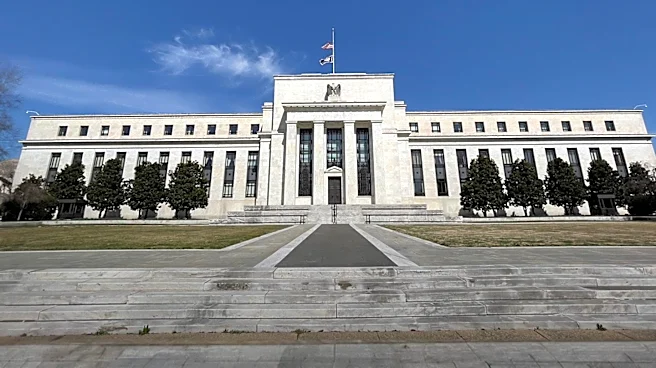
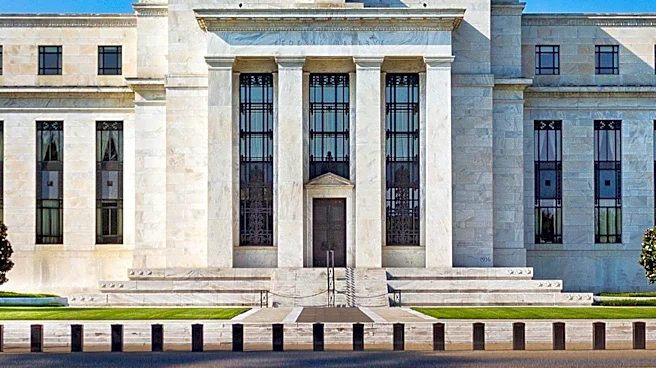
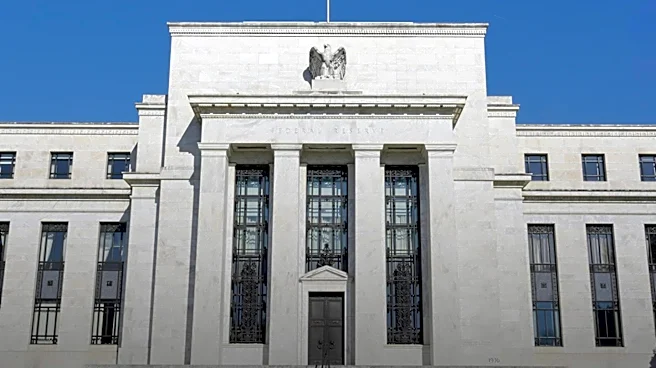
The Federal Reserve is currently facing a complex decision regarding interest rates as it seeks to manage persistent inflation. According to economic analysis, raising interest rates can initially reduce inflation by decreasing employment and output,
a process that is often slow and painful. However, in the long run, higher interest rates may actually lead to increased inflation. This paradox is rooted in the economic theory that the economy is neutral in the long run, meaning that real economic factors do not depend on nominal measures like interest rates. Historical examples, such as the 1970s, show that while short-term interest rate hikes can suppress inflation, they may also set the stage for future inflation unless accompanied by fiscal reforms and microeconomic growth.
Why It's Important?
The Federal Reserve's decision on interest rates has significant implications for the U.S. economy. In the short term, raising rates could help control inflation, which has been a persistent issue. However, the potential for higher long-term inflation poses a risk to economic stability. This situation underscores the importance of complementary fiscal policies and economic reforms to achieve sustainable inflation control. The Fed's actions will impact various stakeholders, including businesses, consumers, and financial markets, as they navigate the challenges of inflation and economic growth.
What's Next?
The Federal Reserve must carefully consider its next steps, balancing the need to control inflation with the potential long-term consequences of interest rate hikes. The central bank may explore alternative strategies, such as quantitative tightening or fiscal policy adjustments, to address inflation without exacerbating future inflationary pressures. The Fed's communication and policy decisions will be closely watched by markets and policymakers, as they seek to maintain economic stability and public confidence.