





What's Happening?
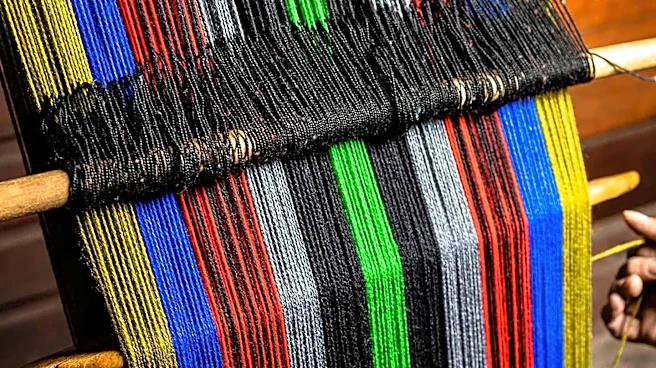
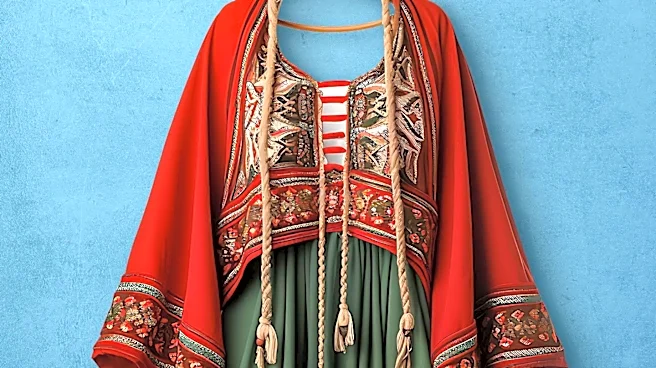
Tatreez, the traditional Palestinian embroidery, is a cultural practice that embodies the history and identity of the Palestinian people. This intricate form of cross-stitch embroidery is not only a craft but a symbol of cultural resistance and continuity.
Each pattern in tatreez carries specific meanings and is often associated with particular regions in Palestine. The practice has been passed down through generations, primarily by women, and continues to be a vital part of Palestinian cultural expression. Organizations like Handmade Palestine are working to preserve this tradition by supporting artisans and promoting tatreez in international markets.
Why It's Important?
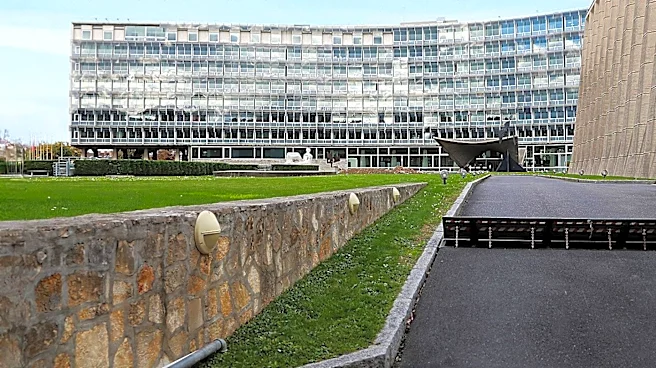
Tatreez serves as a powerful symbol of Palestinian identity and resilience, especially in the face of displacement and cultural erasure. By preserving and promoting this art form, organizations help maintain a vital connection to Palestinian heritage. The global recognition of tatreez, including its inclusion in UNESCO's list of Intangible Cultural Heritage, underscores its significance as a cultural and historical artifact. Supporting tatreez artisans not only helps preserve this tradition but also provides economic opportunities for Palestinian women, who are often the primary practitioners of this craft.
What's Next?
Efforts to preserve tatreez are likely to continue, with increased focus on integrating traditional patterns into contemporary fashion and art. This could lead to greater international awareness and appreciation of Palestinian culture. Organizations may expand their initiatives to include more educational programs and collaborations with global designers, further promoting tatreez as a symbol of cultural pride and resistance. The ongoing support for tatreez artisans will be crucial in ensuring the survival and evolution of this cultural practice.