


What's Happening?
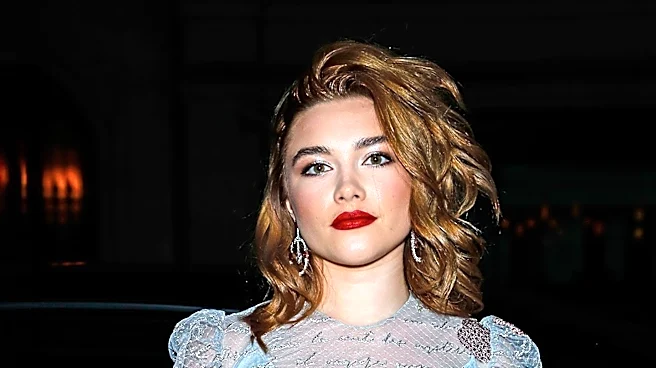
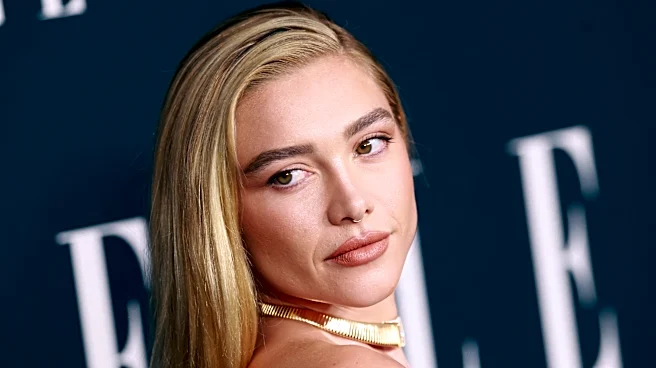
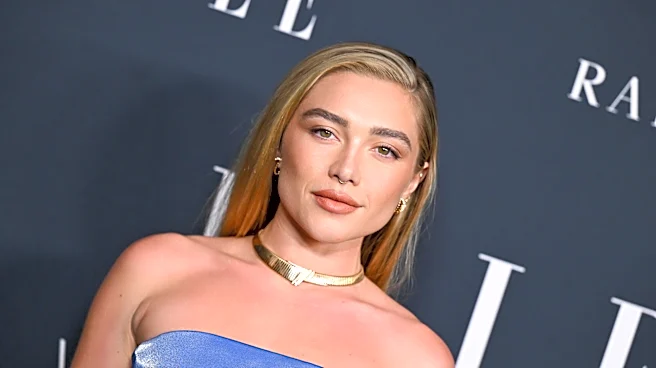
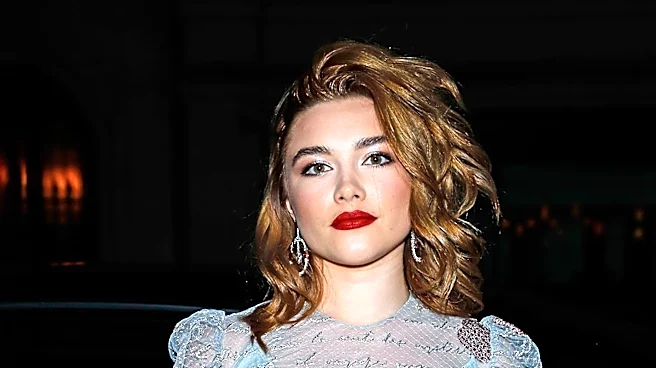
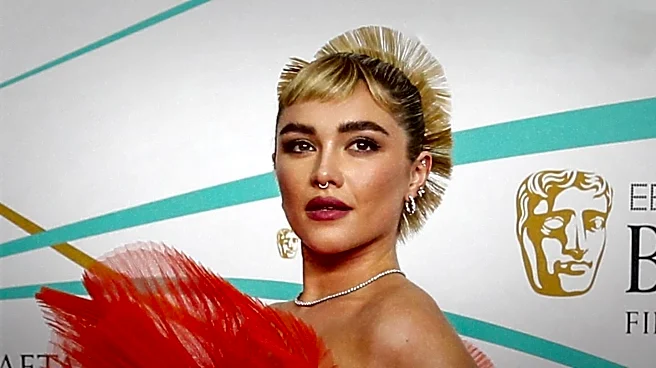
Actress Florence Pugh has publicly responded to widespread speculation regarding changes in her appearance, firmly denying rumors of plastic surgery or the use of weight-loss medication like Ozempic. Following her attendance at the Governors Awards on November
15, 2026, online discussions intensified, with some suggesting she had undergone various cosmetic procedures. Pugh, who recently turned 30, stated that any perceived changes are due to lifestyle adjustments, including a focus on physical and mental well-being. She emphasized that she has prioritized adding muscle, can now perform six pull-ups, and lifts 110 kilograms. Pugh also highlighted her efforts to improve her relationship with alcohol and her overall health, contrasting her current happy state with past periods of mental unhappiness and body abuse. She expressed distress over the 'daily' comments about her body throughout her career and the 'stressful' experience of waking up to thousands of people discussing her appearance.
Why It's Important?
Florence Pugh's statement underscores a significant issue within the entertainment industry and broader society concerning body image, aging, and public scrutiny, particularly for women. Her experience highlights the immense pressure celebrities face to conform to evolving beauty standards, often leading to invasive speculation about their personal choices. This situation reflects a cultural trend where social media platforms amplify discussions about physical appearance, sometimes fueled by misinformation or AI-generated content, as Pugh mentioned suing publications for using such images. The public's focus on cosmetic procedures and weight-loss drugs like Ozempic creates an environment where natural aging or healthy lifestyle changes are often misinterpreted. Pugh's call for greater sensitivity and self-reflection challenges individuals to consider the impact of their comments and the underlying reasons for scrutinizing others' bodies, advocating for a more respectful and understanding public discourse.
What's Next?
Pugh's public stance may encourage a broader conversation within Hollywood and among the public about the ethics of commenting on celebrities' bodies and the normalization of cosmetic procedures. While her direct address aims to quell rumors, the pervasive nature of online scrutiny suggests that such discussions may continue. Her actions could empower other public figures to speak out against similar pressures, potentially leading to a collective push for more responsible media coverage and social media engagement regarding personal appearance. The incident also brings attention to the potential misuse of AI-generated images in media, raising questions about journalistic integrity and the need for stricter regulations or ethical guidelines for content creation. Ultimately, the ongoing dialogue will likely contribute to a re-evaluation of beauty standards and the impact of public commentary on mental and physical well-being.
Beyond the Headlines
This event delves into the deeper societal implications of beauty ideals and the objectification of women in the public eye. Pugh's experience with 'fat shaming' since the beginning of her career illustrates a persistent problem within the entertainment industry, where body diversity is often overlooked in favor of narrow aesthetic preferences. Her frustration with the inability to distinguish between natural aging and surgical alterations points to a cultural obsession with youth and an unrealistic expectation of unchanging appearances. The discussion also touches upon the psychological toll of constant public judgment, emphasizing the importance of mental health and self-acceptance in an era dominated by social media. By challenging the 'frenzy of people picking apart what's truth and what's fake,' Pugh advocates for a more empathetic and critical approach to online information, urging individuals to reflect on their own motivations when engaging in such discussions.