






What's Happening?
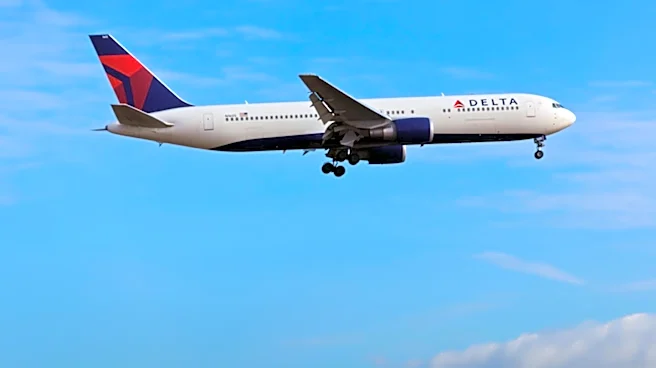
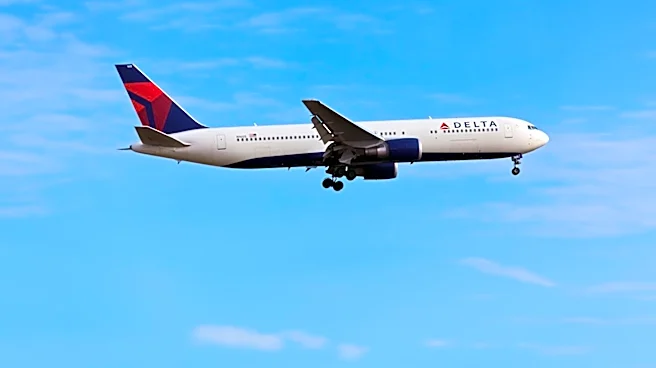
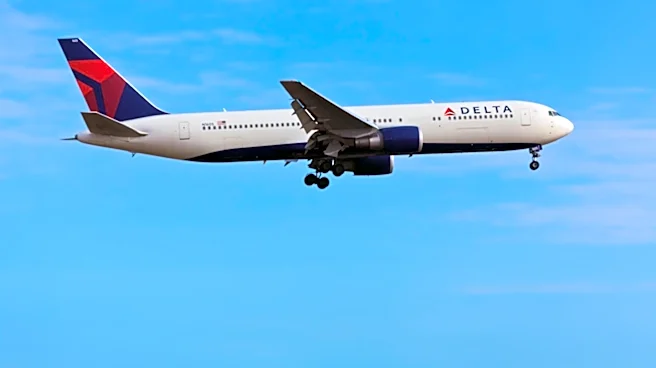
Delta Air Lines has announced that it will not be reducing airfares despite a significant drop in jet fuel costs. In its second-quarter earnings report, Delta revealed that its fares have increased by 11%-12% due to strong travel demand. CEO Ed Bastian
emphasized that the demand for travel remains robust, particularly from affluent passengers, which supports the sustainability of higher fares. Although fuel prices have decreased by 36% from their peak, Delta's fuel expenses rose by $1.9 billion due to earlier spikes caused by geopolitical tensions. However, the airline's revenue from passengers increased by $1.7 billion, contributing to an overall revenue rise of $3.1 billion. Delta's premium passenger revenue grew by 17%, while main cabin revenue increased by 8%.
Why It's Important?
The decision by Delta to maintain high airfares despite lower fuel costs highlights the strong demand for air travel, particularly among wealthier consumers. This trend suggests that the airline industry may continue to see robust financial performance, even in the face of fluctuating fuel prices. The sustained demand for premium travel options indicates a shift in consumer priorities, with travel remaining a top priority for affluent individuals. This could lead to continued profitability for airlines that can capitalize on this demand, potentially influencing pricing strategies across the industry.
What's Next?
Delta's decision to keep airfares high may prompt other airlines to adopt similar strategies, especially if they also experience strong demand. The airline industry will likely continue to monitor fuel price trends and adjust their pricing models accordingly. Additionally, as geopolitical tensions and economic conditions evolve, airlines may need to reassess their strategies to maintain profitability. Stakeholders, including consumers and industry analysts, will be watching closely to see how these dynamics play out in the coming months.