





What's Happening?
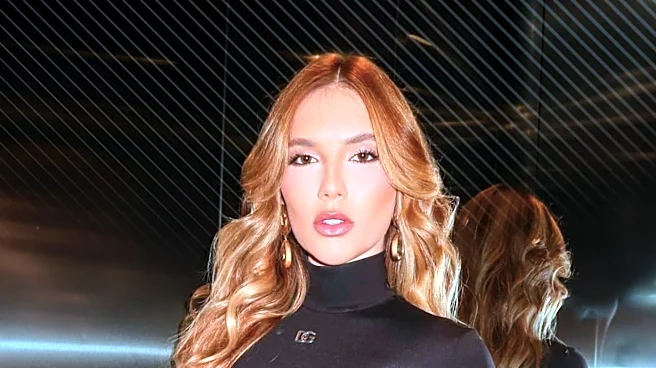
The fashion industry has undergone a significant transformation due to the rise of social media influencers, who have leveraged digital platforms to build international recognition and successful businesses. Early pioneers like Italian entrepreneur Chiara
Ferragni, who launched 'The Blonde Salad' in 2009, combined personal stories and fashion commentary to create an influential digital identity. Similarly, Brazilian influencer Camila Coelho gained a global following through beauty tutorials and fashion content after moving to the United States, eventually establishing her own fashion label and beauty brand. German influencers Caro Daur and Leonie Hanne also built their careers by showcasing polished outfits and luxury fashion, leading to collaborations with major brands such as Adidas and Dolce & Gabbana. Swedish influencer Matilda Djerf, known for her Scandinavian aesthetic, co-founded the clothing brand Djerf Avenue in 2019. These individuals demonstrate how personal creativity and strategic use of digital platforms can lead to international fame and entrepreneurial success in the fashion world.
Why It's Important?
The emergence of fashion influencers has fundamentally reshaped how fashion is consumed, marketed, and sold in the U.S. and globally. These influencers create authentic connections with their audiences, making them powerful tools for brands to reach target demographics. Unlike traditional advertising, which sells an image, influencers sell a lifestyle, integrating products into their daily narratives. This approach generates organic interest that traditional campaigns often struggle to achieve. The Interactive Advertising Bureau projected U.S. creator advertising spending to reach $37 billion in 2025, highlighting the significant financial power of this industry. For brands, partnering with influencers offers enhanced credibility, effective reach into niche markets, and compelling content that resonates with consumers. This shift means that success in fashion now requires adaptability, business acumen, and the ability to navigate a competitive digital landscape, impacting both established luxury brands and emerging designers.
What's Next?
The professionalization of influencer marketing is expected to continue, blurring the lines between personal expression and commercial opportunity. Brands will likely focus on building smaller, longer-term creator networks based on shared expertise and genuine audience fit, moving beyond simply chasing large follower counts. This means creators with specialized knowledge in areas like vintage tailoring, modest fashion, or luxury resale may become more valuable than general lifestyle accounts. Furthermore, the role of data analytics will become even more critical, allowing brands to optimize marketing strategies, measure campaign effectiveness, and personalize consumer experiences. As consumers increasingly seek tailored experiences, personalization and customization will drive marketing efforts, with brands utilizing AI to recommend products and engage customers through personalized messaging. The future will also see increased significance of sustainability in brand narratives and the growth of community-driven marketing initiatives.
Beyond the Headlines
The rise of fashion influencers also brings deeper implications regarding authenticity, consumer trust, and the ethical responsibilities of brands and creators. While influencers can foster genuine connections, the commercial nature of their content can sometimes lead to a blurring of lines between genuine endorsement and paid promotion. Controversies, such as those faced by Chiara Ferragni, highlight the challenges of maintaining a positive reputation and ethical standards in the public eye. The industry is also grappling with the impact of AI, as seen in debates surrounding luxury brands like Dior and Prada, where the use of generative AI in creative campaigns raises questions about human artistry versus technological shortcuts. This ongoing tension between authenticity, commercialization, and technological advancement will continue to shape the ethical and cultural landscape of the fashion industry, demanding greater transparency and a focus on genuine value for consumers.