






What's Happening?
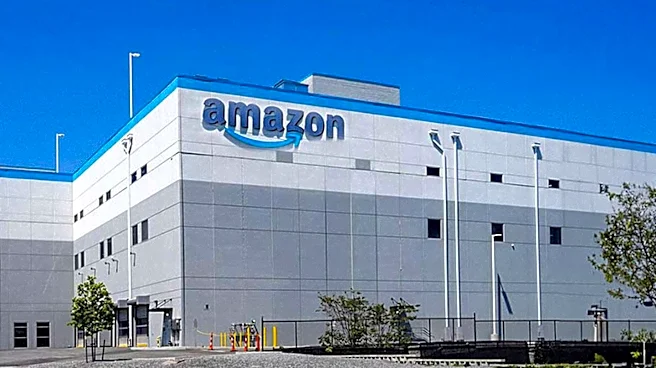
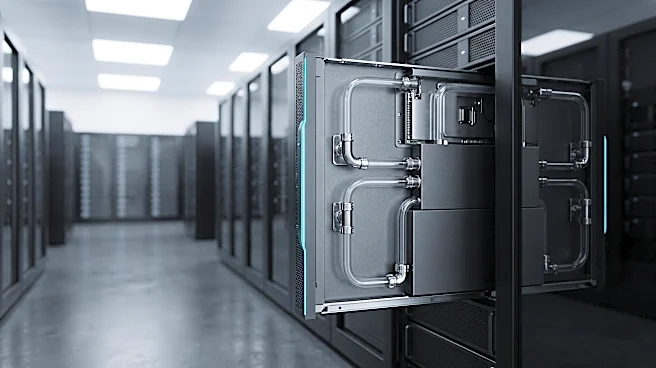
Amazon is reportedly in discussions to move $8 billion worth of NVIDIA Grace Blackwell chips into a special purpose vehicle. This financial maneuver would involve the vehicle selling debt to outside investors, using the proceeds to purchase the chips,
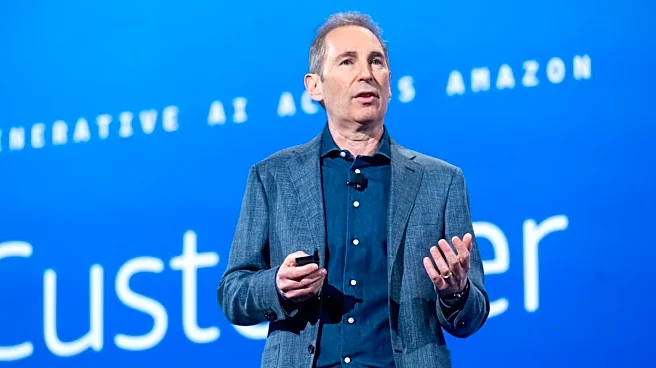
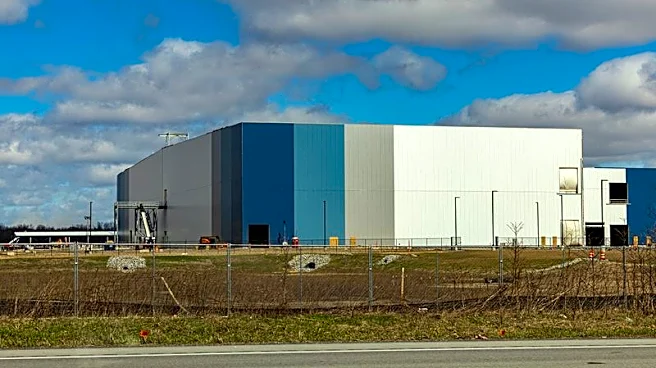
and then leasing them back to Amazon. The chips are already installed in data centers across at least five U.S. states, and Amazon would retain up to 10% equity in the vehicle. This strategy comes as Amazon's capital expenditures for projects reached $54.2 billion in the second quarter, a 68% increase year-over-year, with CEO Andy Jassy committing to approximately $200 billion in spending for 2026. The company's free cash flow over the past 12 months turned negative at -$7.6 billion, and long-term debt increased to $119.1 billion from $65.6 billion a year prior. A leaseback arrangement would allow Amazon to continue utilizing the chips while protecting its credit rating and shifting the financial obligation into lease disclosures.
Why It's Important?
This potential deal signifies a notable shift in how major tech companies might finance their rapidly expanding AI infrastructure. The high cost and rapid depreciation of AI hardware, such as NVIDIA's chips, pose significant financial challenges. By offloading ownership of these assets, Amazon aims to make its balance sheet more 'asset-light' and free up capital for other investments. This move could protect Amazon's credit rating and manage its increasing debt load, which has grown substantially due to massive AI-related capital expenditures. However, it also transfers the risk of owning quickly aging technology to outside investors. The deal highlights the intense demand for computing power, with NVIDIA reportedly only able to supply about 70% of customer needs, and the continuous innovation that quickly renders older chip generations less valuable. If successful, this financing model could become a template for other cloud giants facing similar infrastructure costs, potentially altering the financial landscape of the AI industry.
What's Next?
Key indicators to watch include Amazon's third-quarter earnings report, which may reveal details about the special purpose vehicle and any growth in its lease obligations. The interest rate demanded by lenders for the debt will be crucial, as a wide spread could signal that investors are pricing in the rapid aging risk of the chips, a factor that stock investors might have overlooked. Furthermore, the industry will observe whether other major cloud providers announce similar sale-and-leaseback deals within the next two quarters. If this trend materializes, a significant portion of AI's hardware bill could move off corporate balance sheets, placing the financial burden and depreciation risk onto lenders. This could lead to a re-evaluation of investment strategies in the AI sector and potentially influence future hardware development cycles.
Beyond the Headlines
This financing strategy raises deeper questions about the true cost and ownership of cutting-edge AI technology. While it offers a solution for managing immediate capital expenditure and balance sheet concerns, it externalizes the risk of technological obsolescence. The rapid pace of innovation in AI, where new chip generations quickly outperform their predecessors, means that hardware can become economically outdated within a few years. This deal essentially allows Amazon to benefit from the early, most profitable years of the chips' lifecycle, leaving lenders with assets that may require refinancing or resale when their value has significantly diminished. This could lead to a new class of financial instruments and investment risks tied directly to the volatile lifecycle of AI hardware, potentially impacting the broader financial markets and the long-term sustainability of AI infrastructure investments.