


What's Happening?
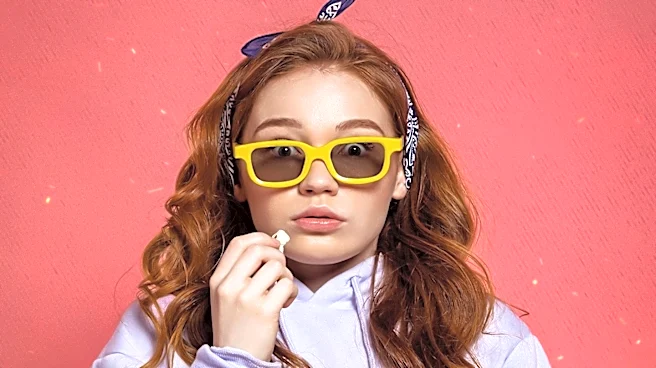
Actors in the micro drama industry are raising concerns about AI-generated versions of their performances being used without consent. Ashley BeLoat, an actor in the micro drama 'Hate the Way I Love You,' discovered an AI remake of her show featuring a digital
version of her character. This trend is part of a broader shift in the $1.4 billion micro drama industry towards using AI to create content, often without informing or compensating the original actors. The use of AI in this way has sparked debates about intellectual property rights and the future of acting in digital media.
Why It's Important?
The increasing use of AI in the entertainment industry poses significant challenges to traditional acting roles and intellectual property rights. Actors like BeLoat are concerned about the lack of control over their likenesses and the potential for AI to replace human performances. This development could lead to a reevaluation of contracts and rights in the industry, as well as discussions about ethical standards for AI use. The situation highlights the need for clear regulations and protections for actors to prevent unauthorized use of their likenesses and ensure fair compensation.
What's Next?
As AI technology continues to advance, the entertainment industry may see more instances of AI-generated content. Actors and industry professionals are likely to push for stronger contractual protections and industry standards to safeguard their rights. The ongoing debate may also influence future union negotiations and legal frameworks governing AI use in media. Additionally, public awareness and consumer preferences could play a role in shaping how AI is integrated into entertainment, potentially affecting viewership and industry practices.