






What's Happening?
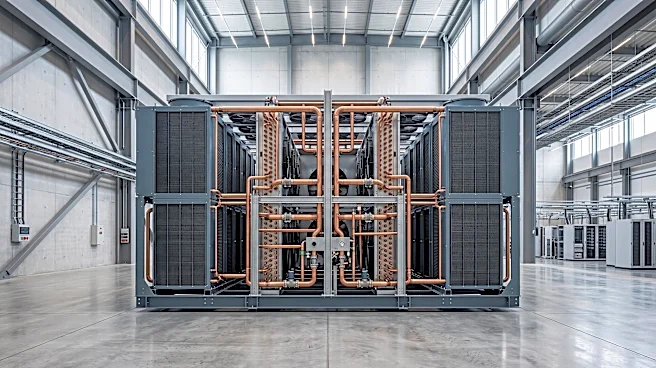
Bernstein analysts predict that Texas Governor Abbott's audit of data centers will likely restrict the approval of new capacity for energy-intensive operations. This regulatory action is anticipated to increase the value of existing Bitcoin mining and
artificial intelligence (AI) sites that already possess approved power access from the Electric Reliability Council of Texas (ERCOT). The audit is expected to create a bottleneck for new entrants, thereby enhancing the competitive advantage and market value of established facilities within the state. This development comes amidst broader discussions about energy consumption by cryptocurrency mining and AI operations.
Why It's Important?
This regulatory move in Texas holds significant implications for the U.S. cryptocurrency mining industry and the burgeoning AI sector. By limiting new data center approvals, Texas is effectively creating a more exclusive market for existing operators. This could lead to increased profitability for current Bitcoin miners and AI data centers in the state, as demand for their services or capacity may rise without a corresponding increase in supply. Investors in these existing operations stand to gain from this policy, while new companies looking to establish a presence in Texas might face higher barriers to entry or be forced to seek alternative locations. The decision also highlights the growing tension between energy demands from advanced technologies and state-level resource management, potentially influencing similar regulatory discussions in other states.
What's Next?
The immediate consequence of Governor Abbott's data center audit will likely be a slowdown in new data center construction and expansion in Texas. Existing Bitcoin mining and AI facilities with ERCOT-approved power are expected to see an appreciation in their operational value and potentially attract more investment. This situation could also prompt other states to consider similar audits or regulations to manage energy consumption by high-demand industries. Companies seeking to expand their Bitcoin mining or AI infrastructure may need to explore regions with more permissive regulatory environments or invest in energy-efficient technologies to meet stricter standards. The long-term impact could include a more consolidated market for data centers in Texas and a push for sustainable energy solutions within the industry.
Beyond the Headlines
The Texas data center audit reflects a broader national and global debate about the environmental and infrastructural impact of rapidly expanding digital industries. The energy demands of Bitcoin mining and AI are substantial, raising questions about grid stability, renewable energy integration, and the allocation of resources. This policy could inadvertently accelerate innovation in energy efficiency within the data center industry, as companies strive to optimize operations under tighter regulatory scrutiny. Furthermore, it underscores the increasing role of state governments in shaping the landscape of technological development, moving beyond federal oversight to localized control over critical infrastructure. The audit also brings to light the complex interplay between economic growth, technological advancement, and environmental sustainability, forcing a reevaluation of how these sectors can coexist responsibly.