

What's Happening?
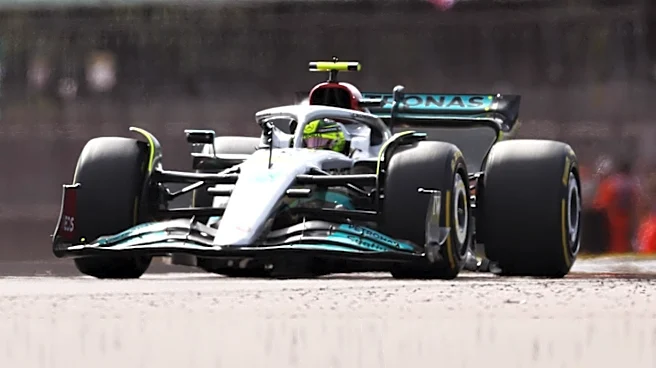
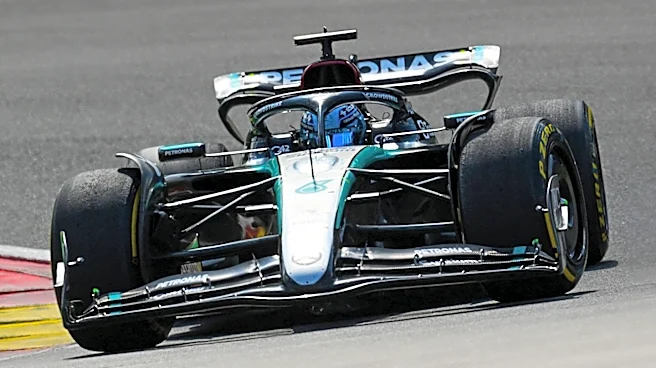
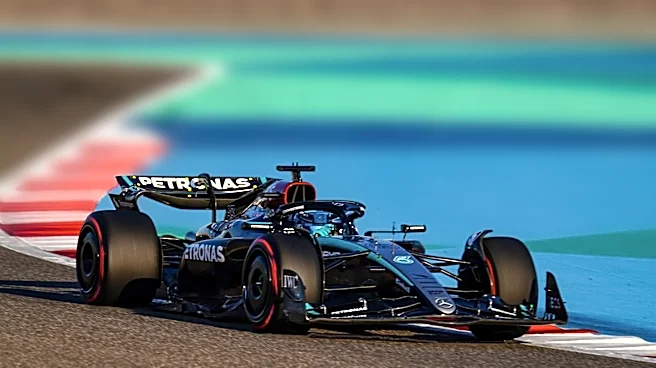
Mercedes has provided an explanation for the anti-stall issue that affected George Russell's performance at the Hungarian Grand Prix. Russell, who started sixth on the grid, experienced a rev spike that led to his car going into anti-stall, causing him
to fall to the back of the field. According to Mercedes' Deputy Team Principal Bradley Lord, Russell was managing his engine's RPM when the revs unexpectedly increased, hitting the rev limiter. This forced Russell to reduce throttle to under 10%, resulting in the anti-stall activation. Despite this setback, Russell managed a strong recovery, finishing seventh. The incident continued a challenging season for Russell, who has faced several misfortunes, including a retirement at the Belgian Grand Prix.
Why It's Important?
The incident highlights the technical challenges and unpredictability in Formula 1 racing, where even minor mechanical issues can significantly impact race outcomes. For Mercedes, understanding and addressing such issues is crucial to maintaining competitive performance. Russell's ability to recover from the setback demonstrates his skill and resilience, but the incident also underscores the importance of reliability in the team's championship aspirations. As Russell trails his teammate Andrea Kimi Antonelli by 59 points, resolving these technical issues is vital for his competitiveness in the Drivers' Championship.
What's Next?
Mercedes will likely conduct a thorough analysis to prevent similar issues in future races. The team may also focus on improving communication and technical adjustments during races to better manage unexpected mechanical problems. For Russell, maintaining focus and building on his recovery drive will be essential as he aims to close the gap with his teammate in the championship standings. The team's response to this incident could influence their strategy and performance in upcoming races.