







What's Happening?
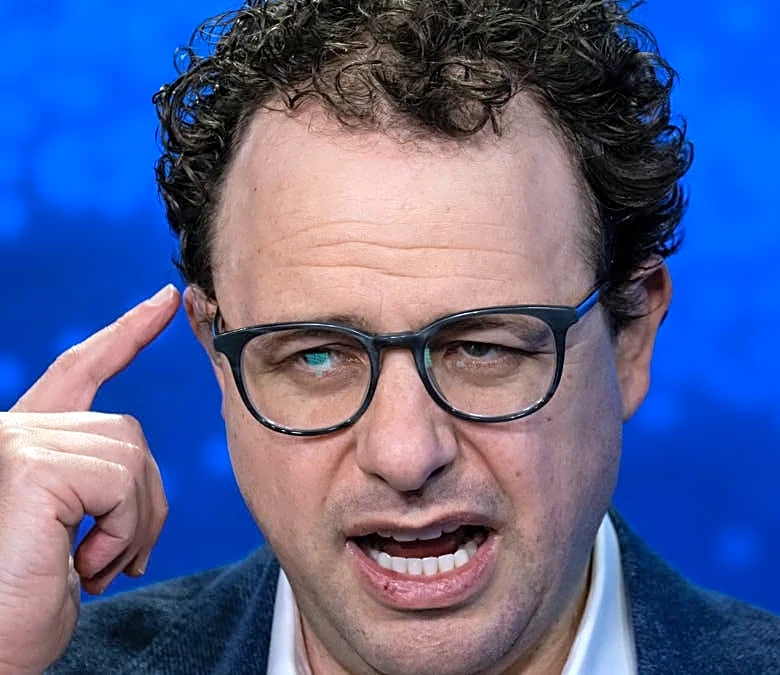
Suno, a company specializing in AI music generation, has launched a new AI model that was exclusively trained on licensed music. Mikey Shulman, co-founder and CEO of Suno, discussed this development during an interview on CNBC's 'Squawk Box.' The training
data for this new model includes licensed music from major industry players such as Warner Music Group, BMG, and Believe Music. This strategic move signifies a collaboration between an AI technology company and established music labels, aiming to integrate AI-generated music within the existing framework of intellectual property rights and artist compensation. The interview likely covered the technical aspects of the model, its capabilities, and the implications of using licensed content for AI training.
Why It's Important?
This development is highly significant for the music industry and the broader landscape of artificial intelligence. By training its AI model on licensed music, Suno is attempting to address critical issues surrounding copyright and intellectual property that have plagued the AI content generation space. This approach could set a precedent for how AI companies interact with content creators and rights holders, potentially fostering a more collaborative and legally sound environment for AI innovation. For the music industry, it represents a potential new revenue stream and a way to embrace AI technology without undermining artists' rights. It also highlights the increasing convergence of technology and creative industries, where AI is becoming a tool for creation rather than just consumption. The success of this model could influence future partnerships and regulatory frameworks for AI-generated content across various creative fields.
What's Next?
The launch of Suno's new AI model trained on licensed music is likely to be followed by close observation from both the music industry and the AI community. Key next steps will involve monitoring the model's performance, its reception by artists and consumers, and its impact on music creation and distribution. There may be further discussions and negotiations with other music labels and artists to expand the licensed content base. This initiative could also spur other AI content generation companies to adopt similar licensing models, leading to a more structured and regulated environment for AI-driven creativity. Additionally, the legal and financial frameworks established through these partnerships could serve as blueprints for addressing intellectual property concerns in other creative sectors grappling with AI advancements.
Beyond the Headlines
The collaboration between Suno and major music labels delves into the complex ethical and economic dimensions of AI in creative industries. It raises fundamental questions about authorship, originality, and the future of human creativity in an age of advanced AI. While licensing agreements offer a pathway for fair compensation, they also prompt deeper considerations about the nature of 'creation' when algorithms are involved. This move could redefine the roles of artists, producers, and record labels, potentially shifting focus from individual human genius to collaborative human-AI endeavors. Furthermore, it highlights the ongoing tension between technological progress and the protection of intellectual property, suggesting that innovative legal and business models are essential for navigating this evolving landscape. The success or failure of Suno's approach could significantly influence public perception and policy-making regarding AI's role in cultural production.