





What's Happening?
The Van Abbemuseum in Eindhoven has undergone a significant redesign aimed at making the museum experience more accessible and engaging for neurodiverse audiences. This initiative, led by director Defne Ayas, includes the introduction of stim tools such
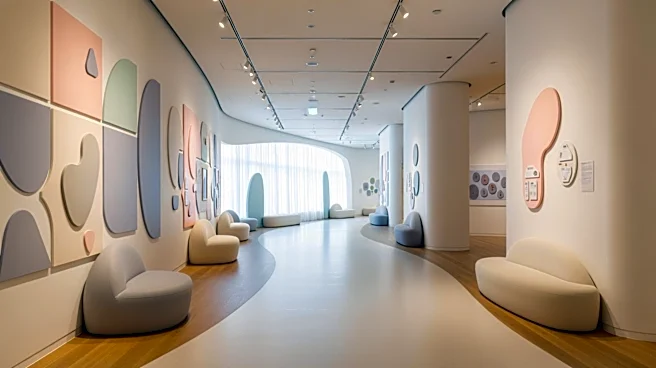
as fidget toys and a sensory map to help visitors, particularly those on the autism or ADHD spectrum, better regulate their sensory experiences. The museum, which houses 3,600 works of contemporary and modern art, has collaborated with the ADEZIV neurodivergent design network to implement these changes. The redesign is part of a broader initiative called 'System Thinkers,' which integrates artists into the museum's operations to foster deeper audience interactions. The museum's new layout features non-chronological displays and sensory elements like varying light levels and soundscapes to create a more immersive experience.
Why It's Important?
This redesign represents a significant step towards inclusivity in cultural institutions, addressing the needs of neurodiverse individuals who may find traditional museum environments overwhelming. By incorporating sensory-friendly tools and designs, the Van Abbemuseum is setting a precedent for other museums to follow, potentially influencing how art is presented and experienced globally. This approach not only broadens the museum's audience but also enhances the overall visitor experience, making art more accessible to a wider demographic. The initiative highlights the importance of considering diverse sensory needs in public spaces, which can lead to more inclusive and engaging cultural experiences.
What's Next?
The Van Abbemuseum's initiative may inspire other museums and cultural institutions to adopt similar practices, promoting a more inclusive approach to art presentation. As the 'System Thinkers' initiative continues, the museum plans to further integrate artists into its operations, potentially leading to more innovative and inclusive exhibitions. The success of this redesign could encourage other institutions to collaborate with neurodivergent communities, fostering a more inclusive cultural landscape. Additionally, the museum's approach may influence future architectural and design practices, emphasizing the importance of sensory considerations in public spaces.
Beyond the Headlines
The Van Abbemuseum's redesign raises important questions about the role of cultural institutions in society and their responsibility to accommodate diverse audiences. By prioritizing accessibility, the museum challenges traditional notions of art presentation and encourages a more inclusive cultural dialogue. This initiative also highlights the potential for art to serve as a tool for social change, promoting understanding and acceptance of neurodiversity. As more institutions adopt similar practices, there may be a broader cultural shift towards inclusivity and accessibility in public spaces, reflecting changing societal values.