








What's Happening?
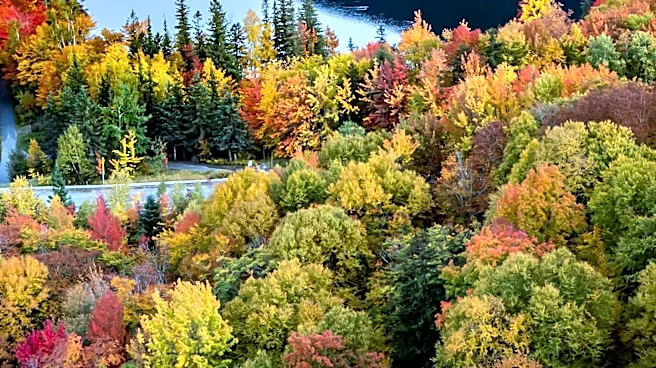
Forest bathing, or shinrin-yoku, is a mindfulness practice originating from Japan in the 1980s, designed to reduce stress and improve mental health by immersing oneself in nature. This practice has gained traction in the U.S., with popular destinations
including the Adirondack Mountains in New York. The Adirondacks offer vast areas for forest bathing, with over six million acres of protected land and numerous hiking trails. The practice involves walking in natural environments and connecting with the surroundings, often guided by certified forest therapy guides. The health benefits of forest bathing are supported by research, showing improvements in immune function and mental well-being.
Why It's Important?
The growing interest in forest bathing in the U.S. reflects a broader societal shift towards wellness and mental health awareness. As people seek natural ways to combat stress and improve health, forest bathing offers a scientifically backed method to enhance well-being. This trend also highlights the importance of preserving natural spaces, as they become integral to public health strategies. The practice encourages environmental conservation and awareness, potentially influencing public policy and community planning to prioritize green spaces.
What's Next?
As forest bathing continues to gain popularity, more guided experiences and programs are likely to emerge across the U.S. This could lead to increased demand for certified guides and the development of new trails and facilities to accommodate forest bathers. Additionally, further research into the health benefits of forest bathing may solidify its place in wellness and healthcare practices, potentially influencing insurance coverage and healthcare recommendations.
Beyond the Headlines
The rise of forest bathing in the U.S. may also have cultural implications, as it introduces a Japanese practice into American wellness culture. This cross-cultural exchange could lead to a broader acceptance and integration of diverse health practices. Moreover, the emphasis on nature connection may foster a deeper appreciation for environmental issues, encouraging sustainable living and conservation efforts.