




What's Happening?
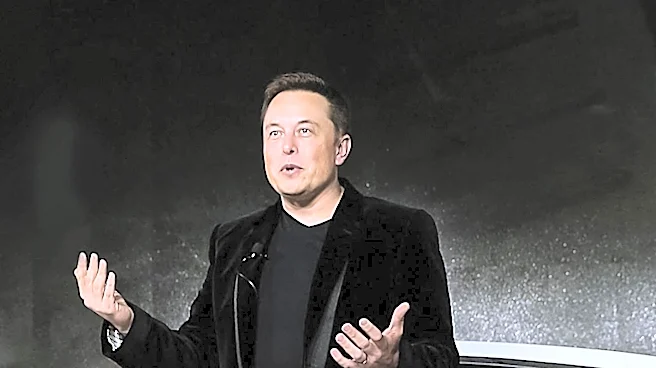
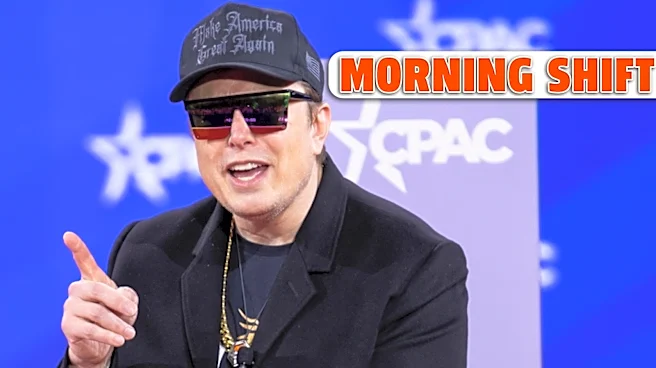
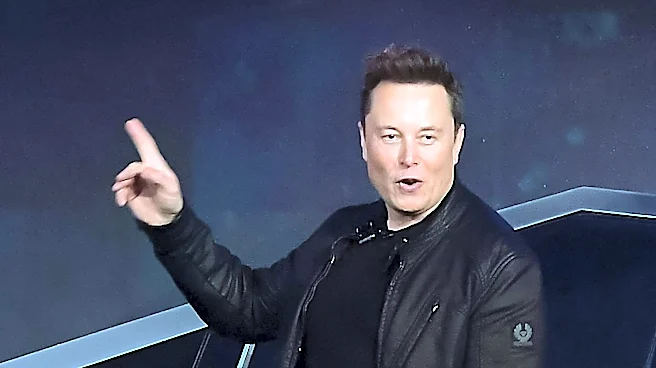
Tesla has officially launched online orders for five versions of its Model 3 and Model Y vehicles in Argentina. The launch event in Buenos Aires featured President Javier Milei on stage, with Elon Musk joining via video call from an airplane. During his
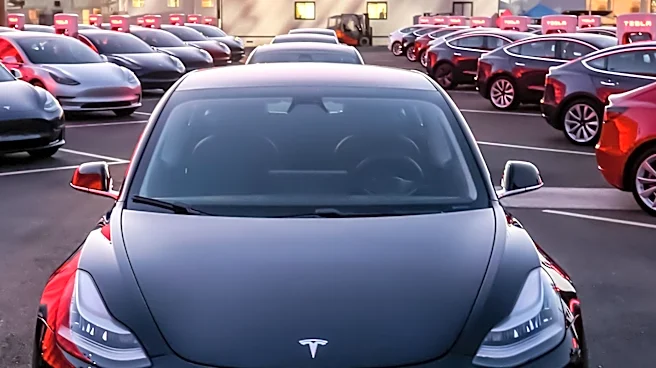
brief appearance, Musk expressed uncertainty about what to say, stating, 'Sorry, I don’t really know what I want to say,' before the call ended after approximately two minutes. President Milei attempted to mitigate the awkwardness by praising Musk as 'the Leonardo da Vinci of the 21st century.' The vehicles, imported from Gigafactory Shanghai, are priced between $40,990 and $53,990, with additional fees for reservation, destination, and documentation. First deliveries are anticipated in March or April 2027. Sales will be conducted exclusively online, with showroom spaces available at Unicenter and Alcorta Shopping malls in Buenos Aires. Argentina marks Tesla's fourth direct-sales market in South America, following launches in Chile, Colombia, and Uruguay.
Why It's Important?
This market entry is significant for Tesla as it expands its global footprint, particularly in South America, a region with growing potential for electric vehicle adoption. However, the awkwardness surrounding Elon Musk's appearance at the launch event could impact initial public perception and brand enthusiasm in Argentina. While President Milei's endorsement provides a political boost, Musk's apparent disinterest in promoting the vehicles directly raises questions about Tesla's marketing strategy and commitment to traditional car sales, especially given his stated focus on robotaxis and Optimus robots. The move into Argentina also places Tesla in direct competition with established players like BYD, which already leads the country's EV market due to government incentives like reduced import taxes. This competitive landscape means Tesla will need to overcome not only logistical challenges but also strong existing market presence to secure a significant share.
What's Next?
Following the online order launch, Tesla will focus on fulfilling initial deliveries, which are expected to commence in March or April 2027. The company will need to establish and expand its charging infrastructure in Argentina, potentially through collaborations with entities like the state-owned oil company YPF, as briefly mentioned by Musk. The public's reaction to Musk's launch appearance, which has already garnered significant attention in Argentina, will be closely watched for its long-term impact on sales and brand image. Tesla's performance in this new market will also be a key indicator of its ability to compete effectively against rivals like BYD, especially given the existing tax advantages enjoyed by other EV manufacturers. Future developments will likely include further marketing efforts to generate excitement and educate consumers about electric vehicles in Argentina.
Beyond the Headlines
The incident at the Argentina launch highlights a broader tension within Tesla's corporate strategy, particularly regarding Elon Musk's public persona and his evolving vision for the company. His apparent lack of enthusiasm for promoting current vehicle sales, contrasted with his frequent discussions about future technologies like robotaxis and Optimus robots, suggests a potential disconnect between the company's immediate revenue streams and its long-term aspirations. This could have implications for investor confidence and market perception, especially if vehicle deliveries continue to decline as they did in 2025. The event also underscores the increasing importance of direct-to-consumer sales models in the automotive industry, as Tesla continues to eschew traditional dealerships. Furthermore, the competitive dynamics in Argentina's EV market, with BYD's early lead, illustrate the challenges even dominant global players face when entering new territories with established local or regional competitors and varying regulatory environments.