


What's Happening?
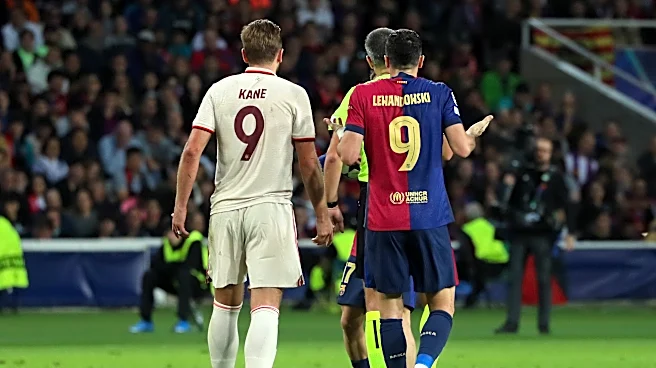
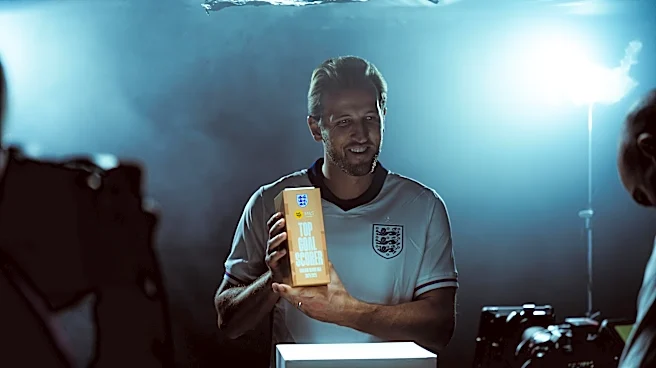
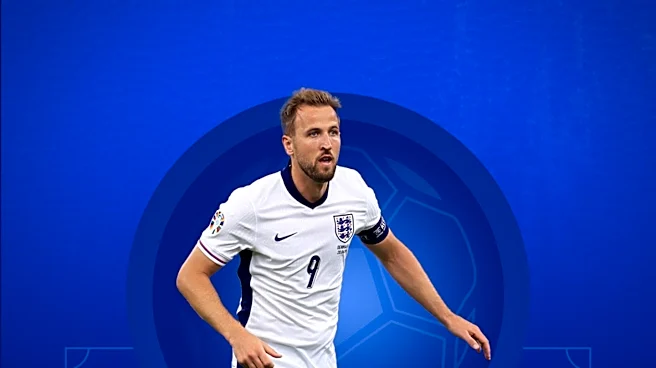
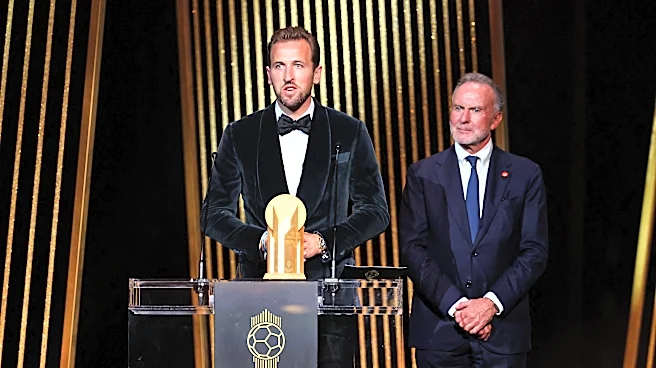
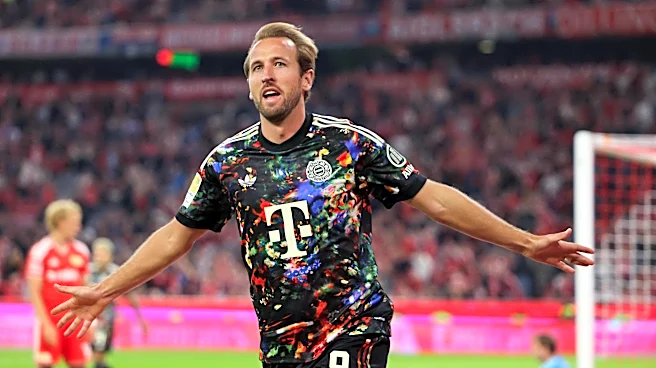
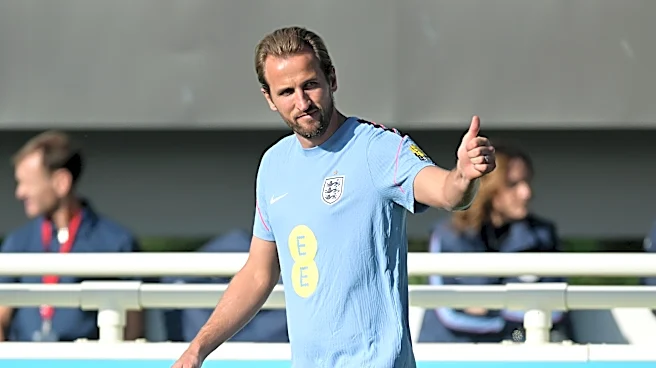
Bayern Munich star Harry Kane has forged an unconventional partnership with Skechers, a footwear company, moving away from traditional sports brands like Nike and Adidas. This collaboration has become a significant case study in how a prominent football
superstar can help an established brand penetrate a new market. According to Professor Rob Wilson, a renowned sport finance expert, Kane's decision to become the face of Skechers' football ambitions has provided the company with immediate credibility in the sport. This move has allowed Skechers to expand beyond its core market, leveraging Kane's status as one of the leading strikers in world football who wears their product weekly. The partnership highlights a shift in athlete endorsement strategies, where being the sole elite athlete for a brand can offer unique commercial value and increased exposure compared to being one among many in larger, more established stables.
Why It's Important?
This partnership is important because it redefines the landscape of athlete endorsements and brand marketing within the sports industry. For athletes, it demonstrates that opting for a challenger brand can lead to greater personal brand exposure and potentially more lucrative opportunities, rather than being overshadowed by numerous other stars in a major brand's roster. For brands like Skechers, it proves that a company without a long-standing 'football heritage' can gain significant traction and credibility in a highly competitive market by aligning with a top-tier athlete. This model could inspire other brands to pursue similar strategies, fostering more diverse and competitive endorsement markets. The success of Kane's deal also provides a benchmark for other high-profile athletes, such as Kylian Mbappé, who are exploring partnerships with emerging sports brands, potentially leading to a broader redistribution of endorsement deals across the industry.
What's Next?
The success of Harry Kane's partnership with Skechers is expected to influence future endorsement deals for other elite athletes. The model established by Kane could serve as a blueprint for how challenger brands can effectively enter and compete in established sports markets. For instance, Kylian Mbappé's collaboration with On is being closely watched as an attempt to scale this challenger model even further, aiming for a broader cultural reach and a more aggressive market penetration. The challenge for these partnerships will be to convert a single superstar endorsement into a sustainable and generational football ecosystem, akin to the long-standing success of Michael Jordan and Nike. If On and Mbappé can achieve this, Kane's Skechers deal will be remembered as a pivotal example of how this alternative endorsement strategy can work in elite football, potentially leading to more athletes seeking exclusive partnerships with brands looking to disrupt the market.
Beyond the Headlines
Beyond the immediate commercial implications, Kane's move to Skechers highlights a deeper shift in the power dynamics between athletes and brands. It suggests that athletes are increasingly willing to prioritize unique brand positioning and greater personal influence over the prestige of aligning with traditional giants. This could lead to a more fragmented and personalized endorsement market, where athletes have more leverage to shape their brand identity and commercial ventures. Ethically, it raises questions about brand loyalty versus individual opportunity, and how athletes navigate these choices to maximize their long-term career and financial goals. Culturally, it reflects a growing consumer openness to new brands, driven by the influence of individual personalities rather than solely by established corporate reputations. This trend could foster innovation in sports apparel and marketing, as challenger brands are compelled to offer unique value propositions to attract both athletes and consumers.