





What's Happening?
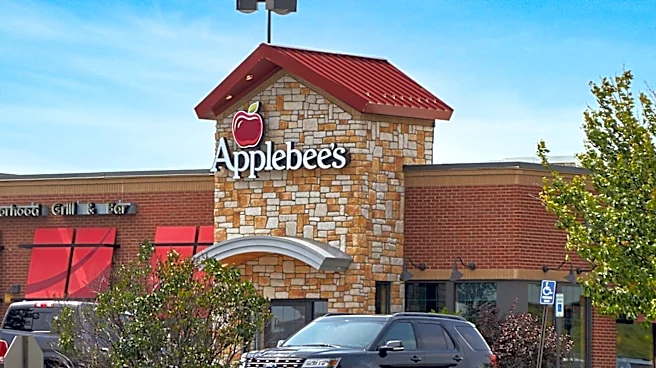
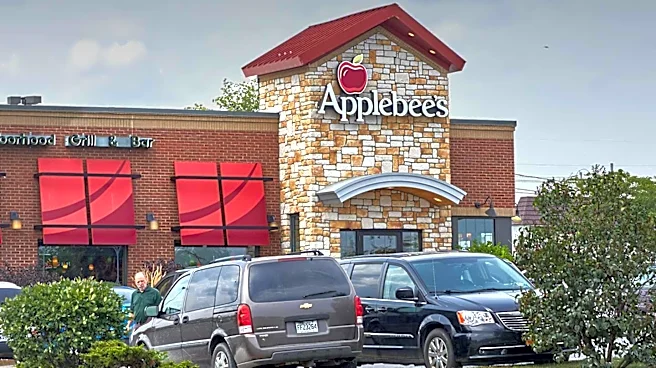
Flynn Group, initially established in 1999 with the acquisition of eight Applebee's restaurants, has grown to become the largest Applebee's franchisee globally, operating over 460 locations across 24 states. Building on this foundation, the company has diversified
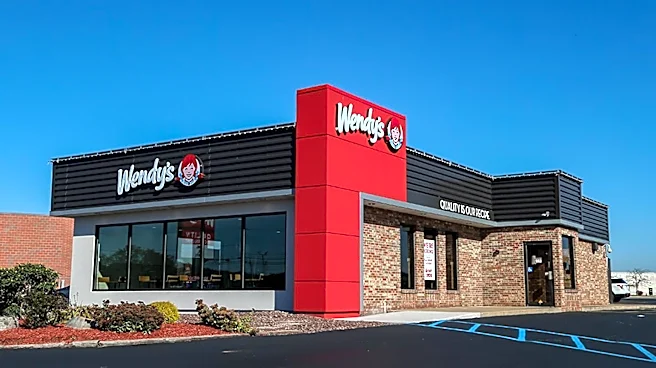
its portfolio, notably expanding into the Wendy's franchise system. Flynn Wendy's, established in 2021, has rapidly become a significant entity within the Flynn Group, now owning and operating more than 300 Wendy's restaurants across eight states. This expansion positions Flynn Wendy's as the fifth-largest Wendy's franchise in the entire system, employing over 6,000 individuals. The company emphasizes a commitment to quality, both in its food offerings and employee development, aiming to provide excellent customer service and foster an inclusive work environment.
Why It's Important?
The expansion of Flynn Group's operations, particularly its rapid growth within the Wendy's franchise, signifies a notable trend in the U.S. casual dining and fast-food sectors. This move demonstrates a strategy of diversification and consolidation within the restaurant industry, where large franchise operators leverage their established infrastructure and expertise to acquire and manage multiple brands. For the U.S. economy, this expansion contributes to job creation, with Flynn Wendy's alone employing over 6,000 people. It also indicates continued investment and confidence in the quick-service restaurant market. The company's focus on employee development and inclusive work environments could set a standard for other large franchisees, potentially influencing labor practices and employee retention across the industry. This growth also impacts supply chains and local economies where these restaurants operate.
What's Next?
Flynn Group is likely to continue its growth trajectory, potentially through further acquisitions of existing restaurant units or the development of new locations across its various brands. The company's emphasis on employee benefits, such as same-day pay, flexible schedules, growth opportunities, and comprehensive benefits packages, suggests a focus on attracting and retaining talent in a competitive labor market. This approach could lead to increased competition for employees among restaurant chains. Future developments may include further integration of operational efficiencies across its diverse portfolio and continued investment in employee training and development programs. The success of Flynn Wendy's could also encourage other large franchisees to explore similar multi-brand expansion strategies within the U.S. restaurant industry.
Beyond the Headlines
The Flynn Group's evolution from a single-brand franchisee to a multi-brand powerhouse reflects broader shifts in the U.S. restaurant industry, where scale and operational efficiency are increasingly critical for success. This consolidation can lead to greater market power for large operators, potentially influencing pricing, supply chain negotiations, and labor standards across the sector. The company's commitment to fostering an inclusive and supportive work environment, as highlighted in its recruitment efforts, points to a growing recognition of the importance of corporate culture in attracting and retaining a diverse workforce. This could set a precedent for how large-scale restaurant operations manage human capital, moving beyond traditional transactional employment models to more holistic employee engagement strategies. The long-term implications could include a more professionalized and standardized approach to restaurant management across the country.