


What's Happening?
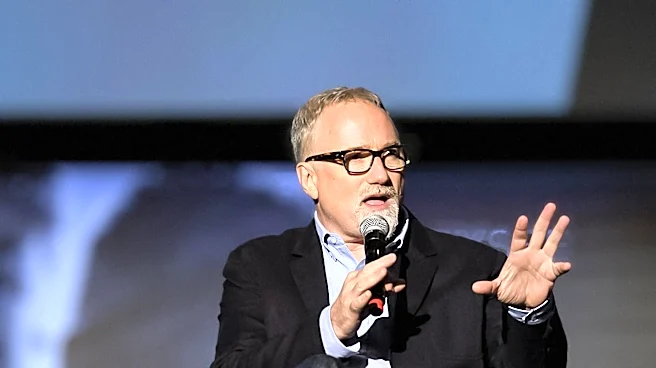
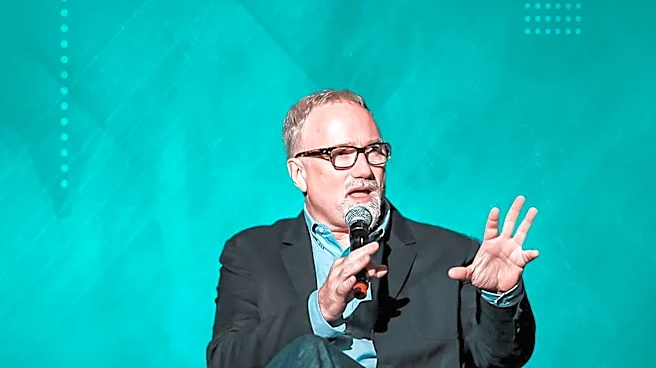
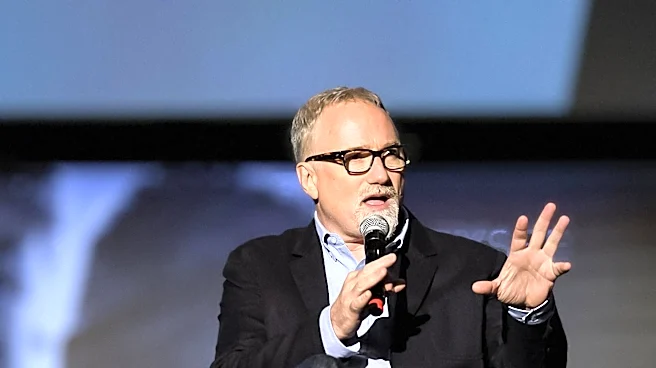
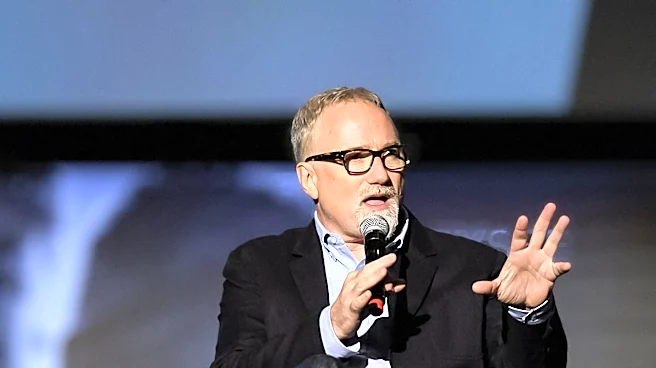
Renowned director David Fincher, known for films such as "Se7en" and "Fight Club," is actively exploring the use of generative AI in filmmaking. Fincher views AI as a tool for exploration and invention, driven by curiosity about its capabilities. This
interest comes as he promotes his latest work, "The Further Mis-Adventures of Cliff Booth." The director's approach to technology is likened to that of explorers who push boundaries, suggesting a desire to see what new possibilities AI can unlock in the cinematic process. While acknowledging the existential threat AI poses to many in Hollywood, Fincher is depicted as someone who dares to try, wonder, invent, and create with new technologies. His collaboration with Netflix has provided him with creative freedom, allowing him to produce, direct, and invent without traditional constraints.
Why It's Important?
Fincher's engagement with AI is significant because it signals a potential shift in how established, high-caliber directors view and integrate emerging technologies into their craft. His reputation as a meticulous and innovative filmmaker means his adoption or exploration of AI could influence broader industry trends. If AI can reduce the number of takes per scene, as suggested, it could lead to more efficient production schedules and potentially lower costs, impacting film budgets and crew demands. This exploration also highlights the ongoing tension in Hollywood between technological advancement and job security, as AI's capabilities continue to expand. Fincher's willingness to experiment, despite industry concerns, underscores a belief that AI could offer new creative avenues, potentially reshaping visual storytelling and production methodologies.
What's Next?
The continued development and integration of AI in filmmaking, as championed by figures like Fincher, could lead to more widespread adoption of these tools across Hollywood. Future projects from Fincher may showcase practical applications of AI, potentially setting new benchmarks for efficiency and creative output. This could prompt other directors and studios to invest further in AI research and development for film production. The industry will likely continue to grapple with the ethical implications and job displacement concerns associated with AI, leading to ongoing discussions and potential policy changes within guilds and unions. Fincher's work could serve as a case study for how AI can be leveraged creatively while navigating these challenges, influencing future debates on technology's role in the arts.
Beyond the Headlines
Fincher's embrace of AI touches upon deeper philosophical questions about the nature of creativity and authorship in an increasingly technologically advanced world. His perspective as an 'explorer and inventor' suggests a view of AI not as a replacement for human artistry, but as an extension of it, offering new tools for expression. This could challenge traditional notions of filmmaking, where human intuition and extensive manual labor are paramount. The debate around AI in Hollywood also reflects broader societal anxieties about automation and its impact on various industries. Fincher's willingness to engage with AI, despite its controversial aspects, positions him as a figure at the forefront of defining the future relationship between art and artificial intelligence, potentially influencing how future generations of filmmakers approach their craft and the tools available to them.