




What's Happening?
Ferrero, the Italian confectionery giant renowned for Nutella and Ferrero Rocher, has significantly expanded its presence in the U.S. snack market over the past decade through a series of strategic acquisitions and substantial investments in manufacturing.
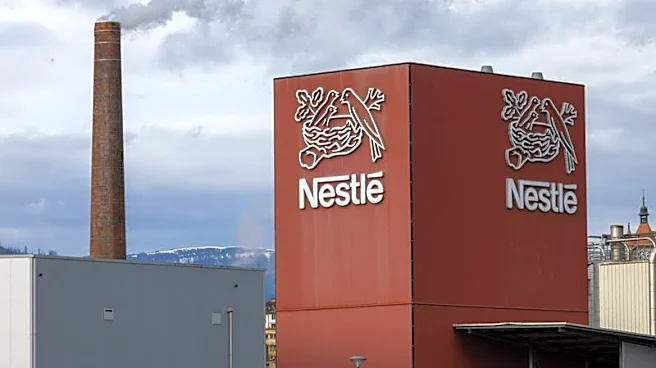
The company's U.S. portfolio now boasts over 50 brands, encompassing a wide range of products including chocolate, candy, mints, cookies, and breakfast cereal. Key acquisitions include Fannie May in 2017, Nestlé's U.S. confectionery business in 2018, Kellogg's cookie and fruit-snack businesses in 2019, and most recently, WK Kellogg in 2024. These strategic moves have dramatically boosted Ferrero's annual U.S. revenue from approximately $600 million to about $3 billion since 2017. Consequently, the U.S. now accounts for 15% of Ferrero's global revenue, a significant increase from just 4% a decade ago. Ferrero has invested over $5 billion in U.S. operations in the last five years, including the establishment of its first chocolate-processing facility in North America in Bloomington, Illinois, and a 45,000-square-foot innovation and research center in Chicago dedicated to adapting products for American tastes. This localization effort is exemplified by the introduction of Nutella Peanut, the brand's first new flavor in over 60 years, specifically developed for the U.S. market.
Why It's Important?
Ferrero's aggressive acquisition strategy and substantial investments in U.S. manufacturing signify a major shift in the American snack food landscape. By acquiring well-established and beloved U.S. brands, Ferrero is directly challenging dominant domestic players like Mars and Mondelez, intensifying competition in a highly lucrative market. This expansion not only diversifies Ferrero's product offerings beyond its traditional European sweets but also allows it to leverage existing brand recognition and extensive distribution networks across the country. The company's focus on adapting products for American tastes, exemplified by the Nutella Peanut launch and the Chicago R&D center, demonstrates a sophisticated understanding of market localization and consumer preferences. This trend could lead to increased innovation, wider product choices for U.S. consumers, and potentially heightened price competition within the snack food sector. For the U.S. economy, Ferrero's significant investments in manufacturing facilities and its growing workforce, which now exceeds 5,000 employees across North America, represent substantial job creation and economic development in the food processing sector, contributing to local economies and supply chains.
What's Next?
Ferrero is expected to continue its efforts in integrating its newly acquired brands and optimizing its U.S. manufacturing and distribution capabilities to achieve greater efficiencies and market penetration. The company's innovation center in Chicago will likely play an increasingly crucial role in developing new products and flavors specifically tailored to the American palate, further solidifying its market position and driving future growth. The success of its recent acquisitions, particularly WK Kellogg, which had experienced declining sales prior to the deal, will be a key indicator of Ferrero's ability to revitalize and grow established brands within its portfolio. Future strategies may involve further acquisitions to fill any remaining gaps in its product portfolio or to expand into new snack categories, reinforcing its commitment to becoming a dominant force in the U.S. food market. The company's long-term ambition is to become a much larger player in the American food business, suggesting sustained investment and competitive pressure on other food industry giants, which will shape the competitive landscape for years to come.
Beyond the Headlines
Ferrero's strategy of acquiring legacy American brands and investing heavily in U.S. operations reflects a broader trend of globalization in the food industry, where international conglomerates seek to gain significant market share in key regions. This approach allows companies to bypass the lengthy and costly process of building brand recognition from scratch, instead leveraging existing consumer loyalty and established market presence. However, it also raises questions about the preservation of brand identity and the potential for cultural shifts in product development as foreign ownership influences traditional American brands. The challenge for Ferrero will be to maintain the heritage and appeal of these beloved American brands while integrating them into its global operational framework and introducing new innovations that resonate with local consumers. This dynamic highlights the complex interplay between global corporate strategy and local consumer preferences, and how foreign investment can reshape national industries. The focus on localizing products, like Nutella Peanut, also underscores the critical importance of cultural sensitivity and market adaptation in successful global business expansion, demonstrating that a one-size-fits-all approach is often insufficient in diverse markets.