





What's Happening?
Applied Materials, a global leader in materials engineering solutions for semiconductor chips and advanced displays, is actively recruiting a Mechanical Engineering Change (EC) Engineer. This role is based in Bangalore, India, and is crucial for designing,
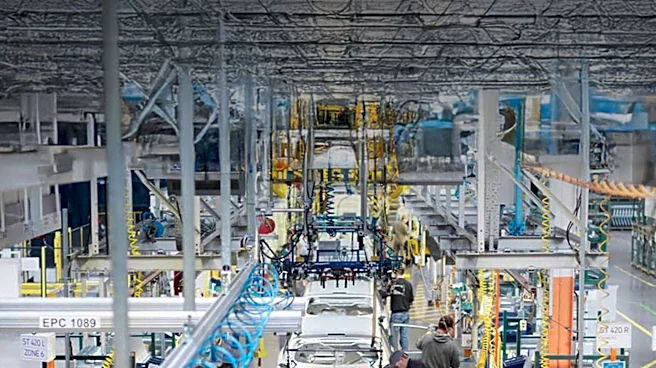
building, and servicing cutting-edge equipment that underpins the global electronics industry. The selected engineer will be responsible for developing and maintaining methods, operating sequences, and processes for fabricating parts, components, subassemblies, and final assemblies. They will also collaborate with other engineering functions to coordinate the release of product improvements and new products. The position requires using basic engineering and Design for Excellence (DFx) principles to reduce manufacturing costs, improve product quality, determine time standards, and make recommendations for tooling and process requirements. Additionally, the engineer will develop and use test procedures, evaluate test results, and assist in determining root causes and corrective actions for assembly or system testing issues. The company emphasizes a supportive work culture that encourages continuous learning, development, and career growth, offering benefits and opportunities for innovation.
Why It's Important?
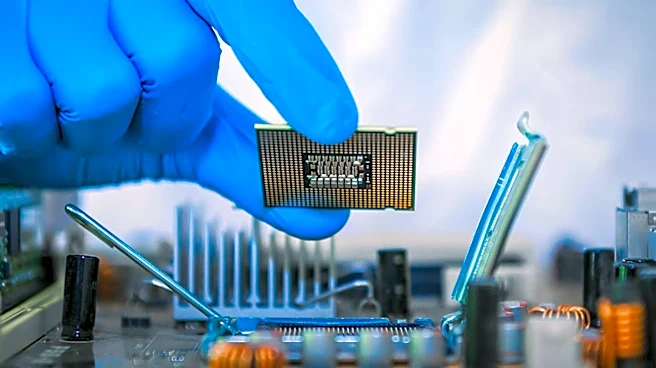
This recruitment by Applied Materials is significant for the U.S. and global electronics industry as it directly supports the advancement of semiconductor and display technology. Applied Materials' role as a foundational provider of equipment for chip manufacturing means that innovations and efficiencies in their engineering processes have a ripple effect across the entire tech ecosystem. Improved manufacturing processes and product quality, driven by roles like the EC Engineer, can lead to more powerful, efficient, and cost-effective electronic devices. This impacts various sectors, from consumer electronics and telecommunications to artificial intelligence (AI) and the Internet of Things (IoT), which rely heavily on advanced chips and displays. The continuous push for material innovation helps maintain the competitive edge of U.S. tech companies and ensures a steady supply of critical components, mitigating potential supply chain vulnerabilities. Furthermore, the company's commitment to employee growth fosters a skilled workforce essential for future technological breakthroughs.
What's Next?
The successful candidate for the Mechanical Engineering Change Engineer position will immediately begin contributing to the development and optimization of manufacturing processes for semiconductor and display equipment. Their work will directly influence the efficiency and quality of production, potentially leading to faster market introduction of new technologies and improved performance of existing ones. Applied Materials will continue to integrate these engineering changes into their product lines, impacting their global customer base. The company's ongoing investment in talent and process improvement suggests a sustained effort to push the boundaries of materials science and engineering. This will likely result in further advancements in chip and display technology, supporting the evolving demands of the electronics industry and enabling the next generation of AI and IoT applications. The company's focus on a supportive work environment also indicates continued efforts in talent retention and development.
Beyond the Headlines
Beyond the immediate impact on product development, this role highlights the intricate and highly specialized nature of the semiconductor manufacturing industry. The need for dedicated Engineering Change Engineers underscores the continuous evolution and refinement required in materials science and engineering to keep pace with technological demands. This constant innovation is not just about creating new products but also about optimizing existing processes for efficiency, cost-effectiveness, and quality. The emphasis on DFx principles reflects a broader industry trend towards integrating design considerations early in the development cycle to prevent issues and improve manufacturability. This approach is critical for maintaining competitiveness in a rapidly advancing field where even minor improvements can yield significant advantages. The global nature of Applied Materials' operations also points to the interconnectedness of the tech supply chain, where engineering expertise in one region can have worldwide implications for technological progress.