




What's Happening?
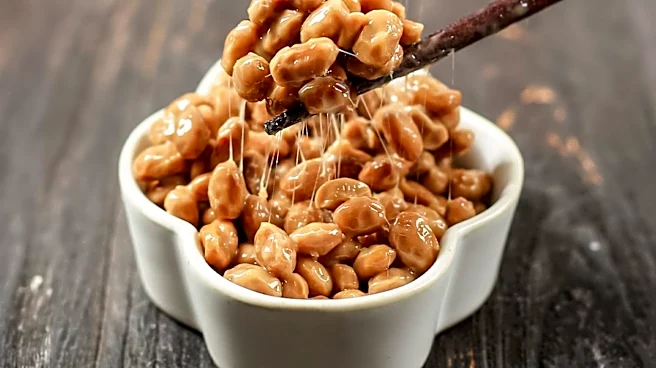
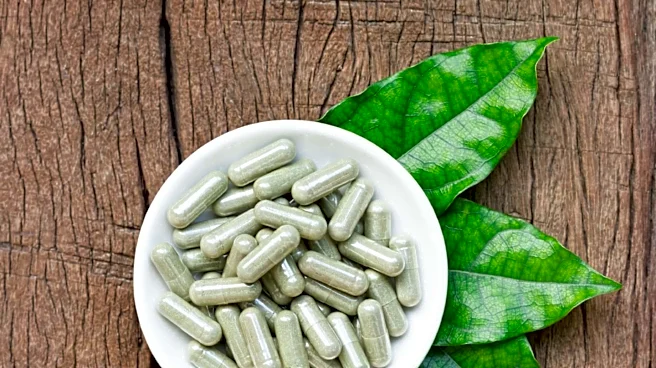
The DAO Enzyme, a supplement designed to aid in the breakdown of histamine, is gaining attention for its potential benefits to individuals sensitive to histamine-rich foods such as fermented products. The enzyme, derived from porcine kidney extract, supports
the body's natural enzymatic processes to manage histamine levels, which can be elevated by consuming foods like aged cheese, wine, and fermented items. This supplement is particularly relevant for those with reduced diamine oxidase (DAO) activity, a condition that can lead to symptoms such as headaches, digestive issues, and skin reactions. The product is marketed as a palliative measure, providing immediate relief by supplementing the body's DAO enzyme levels, but it does not address the underlying causes of low DAO production.
Why It's Important?
Histamine intolerance affects a significant portion of the population, leading to discomfort and dietary restrictions. The introduction of DAO Enzyme offers a potential solution for those who experience adverse reactions to histamine-rich foods, which are common in many diets. This development is significant for the food and health industries, as it provides an alternative for individuals who might otherwise avoid certain nutritious foods due to histamine sensitivity. The supplement's ability to alleviate symptoms could improve quality of life for many, allowing for a more varied diet and reducing the need for strict dietary limitations. Additionally, it highlights the growing market for targeted nutritional supplements that address specific health concerns.
What's Next?
As awareness of histamine intolerance grows, the demand for supplements like DAO Enzyme is likely to increase. Future developments may include further research into the efficacy of such supplements and their long-term impact on health. Additionally, there may be an expansion of product lines to include other enzymes or compounds that support histamine metabolism. Healthcare professionals might also begin to incorporate these supplements into treatment plans for patients with histamine sensitivity, potentially leading to broader acceptance and use in clinical settings.