




What's Happening?
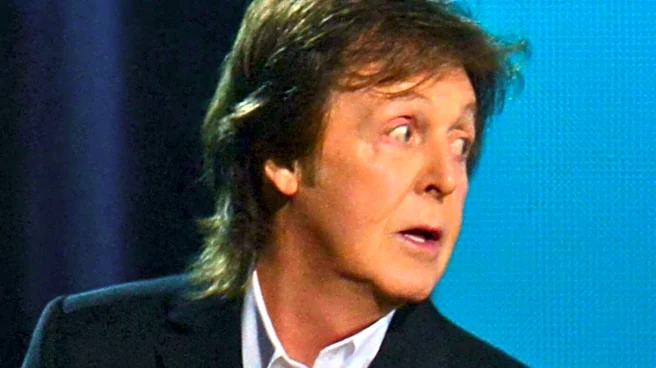
A key to Paul McCartney's childhood home at 20 Forthlin Road in Liverpool has sold for £6,100 at auction, significantly exceeding its pre-sale estimate. McCartney resided in the house with his family from 1955 to 1963, a period during which he honed his musical
skills on the trumpet, piano, and guitar, and collaborated with John Lennon on early recordings. The house was originally built in 1949 and owned by the local authority before the McCartney family moved in. After McCartney moved to London in 1963, his father vacated the property a year later. The key came into the possession of Kathleen Salt, then a 13-year-old Beatles fan, who had written a letter to the occupant. The key was accompanied by a three-page letter from the then-occupant, Ashley Jones, and a period photograph of the house. Jones's letter suggested the key sent to Salt might have been one of Paul McCartney's original keys to the property. Additionally, four Beatles autographs inscribed to 'Kathy' and various photographs and newsletters from the Beatlemania era were also sold, fetching £5,124.
Why It's Important?
The sale of this key underscores the enduring global appeal and significant market value of memorabilia associated with The Beatles, even decades after their peak fame. The price realized, more than double the initial estimate, highlights the strong demand from private collectors for items with a direct, personal connection to the band members. This event demonstrates how tangible links to historical figures and cultural phenomena, such as a key to a childhood home, can command substantial prices, reflecting both sentimental value and investment potential. The director at Dominic Winter Auctioneers, Chris Albury, noted that the level of competition for these items proves the Beatles' popularity remains as strong as ever, emphasizing the deeply personal links these pieces have to the band's story and formative years. This trend impacts the collectibles market, setting precedents for similar historical artifacts and reinforcing the cultural legacy of iconic figures.
What's Next?
The successful auction of Paul McCartney's childhood home key and other Beatles memorabilia suggests a continued robust market for items with strong provenance and personal connections to the band. Future auctions are likely to see similar high demand for such unique artifacts, potentially driving up prices for other rare Beatles-related items. Collectors and auction houses will likely continue to seek out and promote items that offer a tangible link to the band's history, further solidifying the value of such cultural relics. This event may also encourage other individuals who possess similar historical items to bring them to market, anticipating strong returns. The ongoing interest in The Beatles' legacy ensures that any item with a direct connection to their early lives or careers will likely attract significant attention and competitive bidding in the future.
Beyond the Headlines
The sale of the key to Paul McCartney's childhood home transcends a simple transaction; it represents a tangible connection to the origins of one of the most influential musical groups in history. This artifact offers a unique glimpse into the humble beginnings of a global icon, symbolizing the place where creativity was nurtured and a legendary partnership with John Lennon began. The emotional and historical weight attached to such an item highlights the human desire to connect with the past and the figures who shaped culture. It also raises questions about the preservation of cultural heritage, as private sales can sometimes limit public access to such significant historical objects. The enduring fascination with The Beatles, as evidenced by this auction, speaks to their profound and lasting impact on music, society, and individual lives, transforming everyday objects into cherished historical relics.