




What's Happening?
Home organization experts are providing specialized tips designed to align with various personality types, recognizing that a one-size-fits-all approach often fails. Sherri Curley, a certified neurodiversity coach, emphasizes that working against natural
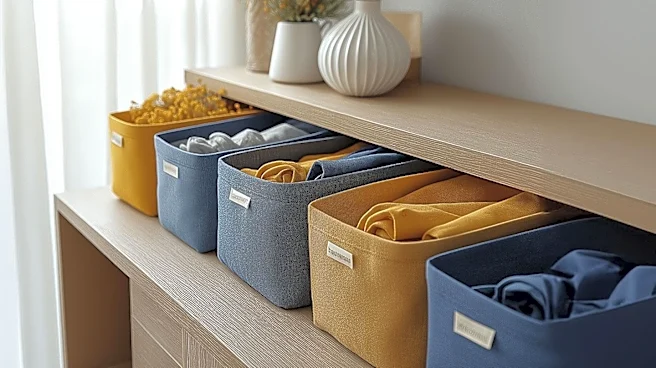
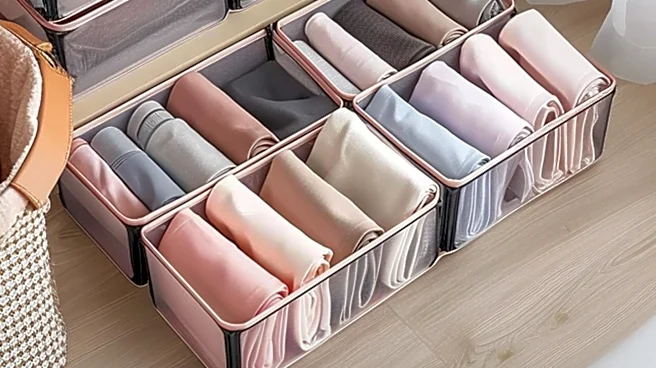
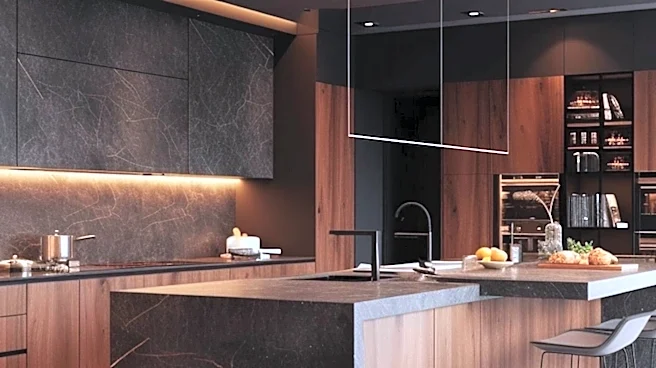
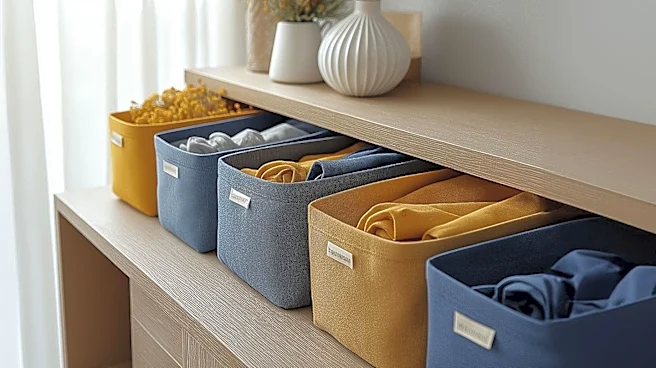
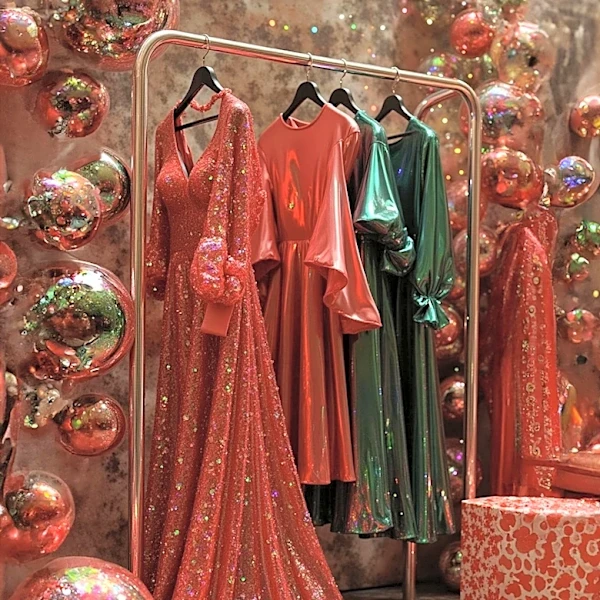
predispositions leads to decreased motivation and increased stress. Shira Gill, an organizing expert and author, views the home as a form of creative expression that should reflect an individual's unique style and values. The advice categorizes individuals into types such as 'The Creative,' who thrive with visible tools and 'beautiful chaos'; 'The Minimalist,' who prefers less clutter and concealed storage; 'The Collector,' who is sentimental and benefits from showcasing items on open shelving; 'The Procrastinator,' who needs strong visual cues and convenience; and 'The Perfectionist,' who seeks crisp aesthetics but can be paralyzed by fear of doing it 'wrong.' Each personality type receives specific recommendations to make organizing more effective and sustainable, moving away from generic decluttering advice.
Why It's Important?
This personalized approach to home organization is significant because it addresses the underlying psychological barriers that often hinder successful decluttering and maintenance. By acknowledging that different individuals have distinct needs and preferences, experts aim to create systems that are not only effective but also sustainable long-term. For instance, a minimalist might find open shelving overwhelming, while a creative person might feel stifled by excessive concealment. This tailored guidance can reduce feelings of overwhelm and failure associated with organizing, fostering a more supportive and energizing home environment. It also highlights the importance of self-awareness in personal productivity and well-being, suggesting that understanding one's own tendencies is crucial for implementing lasting change in any aspect of life, not just home organization. This shift from prescriptive rules to adaptive strategies empowers individuals to find methods that genuinely resonate with them.
What's Next?
As awareness of personalized organizing strategies grows, consumers may see an increase in specialized organizing services and products catering to specific personality types. Professional organizers might further refine their intake processes to include personality assessments, allowing them to offer more bespoke solutions. Retailers could also begin to market storage solutions and organizational tools with specific personality profiles in mind, moving beyond generic 'storage bins' to products designed for 'the creative' or 'the minimalist.' Educational content, such as workshops and online courses, may also emerge to help individuals identify their organizing personality and implement suitable strategies. This trend could lead to a more nuanced and effective approach to home management, potentially reducing the frustration and inefficiency often associated with traditional organizing methods.
Beyond the Headlines
The emphasis on personality-based organizing extends beyond mere tidiness; it touches upon broader themes of self-acceptance and mental well-being. Forcing oneself into an organizational system that conflicts with one's natural inclinations can lead to chronic stress and a sense of inadequacy. By embracing methods that align with individual traits, people can cultivate a home environment that supports their mental and emotional health, rather than being a source of constant struggle. This approach also subtly challenges the societal pressure to conform to a singular ideal of 'organized,' promoting a more inclusive view of what a functional and comfortable living space looks like. It underscores the idea that personal effectiveness is deeply intertwined with self-understanding and the creation of environments that nurture individual strengths and preferences.