


What's Happening?
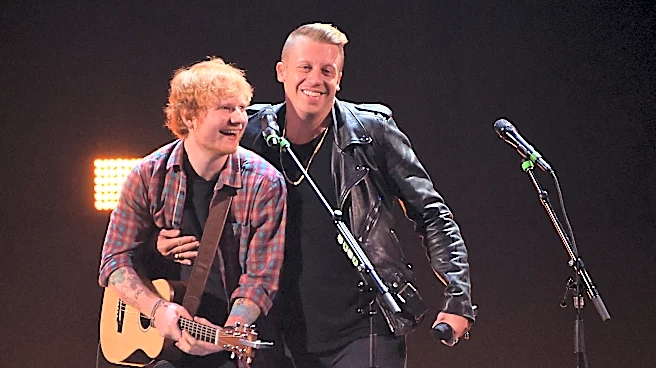
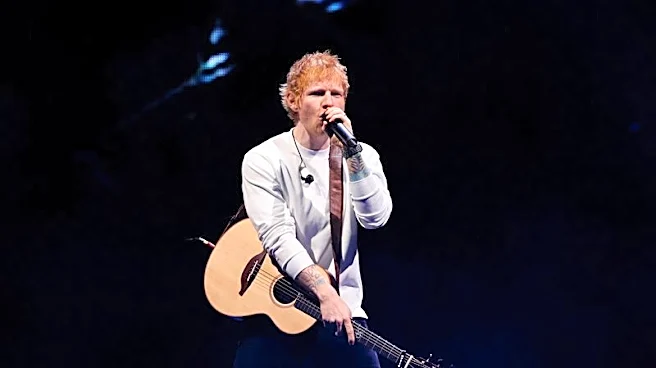
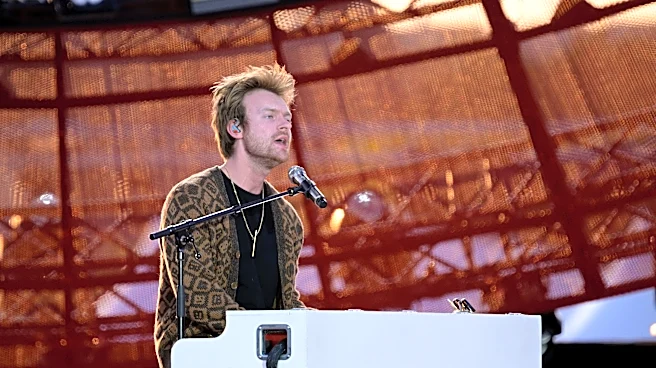
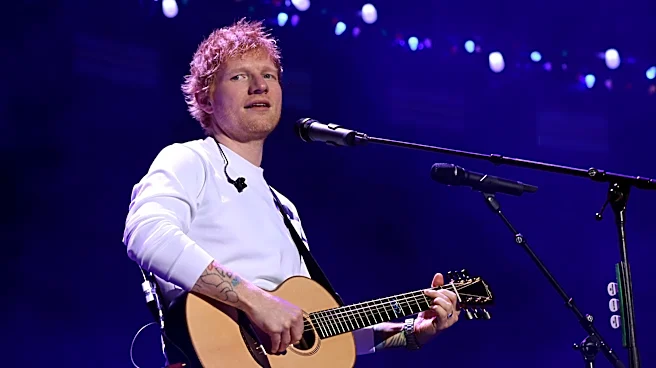
Several artists, including rapper Macklemore, Finneas, Aaron Rowe, Lukas Graham, and the Irish band Beoga, have withdrawn from Ed Sheeran's tour. This follows Macklemore's performance at a September 5 concert where he wore a keffiyeh, stated 'free Palestine,'
and performed 'Hind's Hall,' a song named after a Palestinian child killed in Gaza. Images of Gaza's destruction were displayed during his set. The performance drew criticism, notably from the Anti-Defamation League, and the Israeli-American Council initiated a petition urging Sheeran to remove Macklemore from the tour. Macklemore claimed Sheeran informed him that several stadiums would not host the tour if he remained, attributing the effort to Gillette Stadium owner Robert Kraft, who acknowledged barring Macklemore due to what he termed 'antisemitic rhetoric.' Sheeran stated the decision was made by the promoter and venues. In solidarity with Macklemore, other artists subsequently left the tour, and Macklemore announced he would donate his $1 million net earnings from the tour to six organizations supporting Palestinians.
Why It's Important?
This incident highlights the increasing intersection of politics and entertainment, particularly concerning the Israeli-Palestinian conflict, and its impact on artists and venue owners in the U.S. The withdrawal of artists from a major tour due to political statements underscores the growing pressure on public figures to take stances on global issues, and the potential professional repercussions of doing so. It also reveals the significant power wielded by venue owners and promoters in dictating content and participation in live events. The controversy reflects a broader societal debate in the U.S. regarding free speech, artistic expression, and the boundaries of acceptable political discourse, especially as public opinion on the conflict evolves. The financial implications for artists and tour organizers, as well as the potential for boycotts or protests, demonstrate the tangible consequences of these political clashes within the entertainment industry.
What's Next?
The situation may lead to further discussions within the music industry regarding artists' freedom of expression and the responsibilities of venues and promoters. It could prompt other artists to either become more vocal about political issues or, conversely, to exercise greater caution to avoid similar controversies. The incident might also influence how future tours are structured and how contracts are negotiated, potentially including clauses related to political statements. Public and online reactions will likely continue to shape the narrative, with ongoing debates about the role of celebrities in political activism. The financial donations by Macklemore could inspire other artists to use their platforms for similar charitable or advocacy efforts, further intertwining entertainment with social and political causes.
Beyond the Headlines
This event delves into the complex ethical and cultural dimensions of artistic freedom versus perceived hate speech, particularly in the context of a highly sensitive international conflict. It raises questions about who determines what constitutes 'hate speech' and the extent to which private entities, like venue owners, can censor or de-platform artists based on their political views. The controversy also reflects a generational and ideological divide in American society regarding the Israeli-Palestinian conflict, as evidenced by polling data on views of Israel's actions. The incident could contribute to a broader cultural shift where artists are increasingly expected to align with social and political movements, blurring the lines between entertainment and activism. This ongoing tension between artistic expression, corporate interests, and public opinion will likely continue to shape the landscape of live entertainment and public discourse.