





What's Happening?
Saudi Arabia is actively developing a global network of energy routes, storage facilities, and refining capabilities to reduce its vulnerability to geopolitical flashpoints and ensure consistent oil exports. This strategy includes transporting oil through
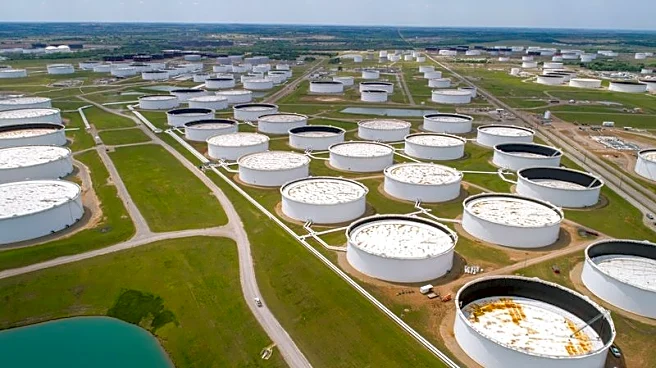
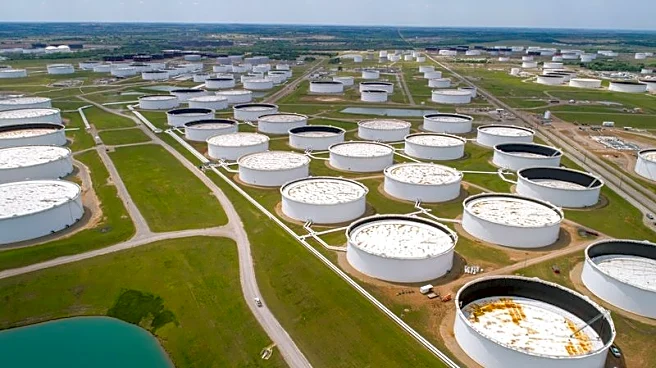
the East-West pipeline to Yanbu on the Red Sea, bypassing the Strait of Hormuz. From Yanbu, oil can reach European markets via the SUMED pipeline in Egypt or Asian markets through Bab el-Mandeb. The kingdom is also establishing an 'alternative storage geography' by positioning crude stockpiles closer to consumers, such as in Okinawa, Japan, using facilities owned by JOGMEC. Furthermore, Saudi Aramco is investing in refining and petrochemical projects in Malaysia, South Korea, and China, integrating its crude into consumer markets and supply chains. These initiatives aim to diversify export routes and enhance the kingdom's ability to respond to market demands and disruptions, moving beyond a sole reliance on its domestic production and traditional maritime routes.
Why It's Important?
This strategic diversification by Saudi Arabia has significant implications for global energy security and the U.S. economy. By creating alternative export routes and storage hubs, Saudi Arabia aims to stabilize oil supplies, potentially mitigating price volatility caused by regional conflicts or chokepoint disruptions. For the U.S., a more resilient global oil supply chain could help prevent sharp increases in gasoline prices, which directly impact consumer spending and inflation. The integration of Saudi crude into Asian refining and petrochemical industries also signifies a shift in global energy dynamics, potentially strengthening economic ties between Saudi Arabia and key Asian economies. While this strategy aims to reduce vulnerabilities, it also introduces new complexities, as overseas investments remain subject to the political and economic stability of host countries. The U.S. has a vested interest in the stability of global oil markets, and Saudi Arabia's efforts to secure its supply lines contribute to this broader objective, even as the U.S. continues to release oil from its Strategic Petroleum Reserve to address immediate supply disruptions.
What's Next?
Saudi Arabia plans to continue expanding its 'alternative geography' strategy, with further investments in overseas ports and agricultural ventures to enhance food security. The effectiveness of these investments will be tested during future crises, as demonstrated by recent Houthi attacks on the East-West pipeline, which disrupted crude loading and exports from Yanbu. The kingdom's ability to maintain consistent oil deliveries to European refineries, despite such disruptions, will be a key indicator of the strategy's success. Future developments will likely involve continued monitoring of geopolitical tensions in critical maritime passages like the Strait of Hormuz and Bab el-Mandeb, as these areas remain potential flashpoints. The U.S. and other major oil-consuming nations will closely observe how Saudi Arabia's diversified network performs under stress, as it could influence their own energy security policies and strategic petroleum reserve management. The long-term goal is to determine if this network can become a sustainable alternative to traditional routes or merely a backup system.
Beyond the Headlines
The Saudi Arabian strategy of creating an 'alternative geography' extends beyond mere economic diversification; it represents a profound shift in national security doctrine. By decentralizing its energy infrastructure and supply chains, Saudi Arabia is attempting to insulate its economy from regional instability and project its influence globally. This approach highlights the increasing interconnectedness of energy, trade, and national security in a volatile world. The ethical implications of such a strategy include potential impacts on local communities in host countries where new infrastructure is developed, as well as the environmental considerations of expanding oil and gas operations globally. Culturally, this move could foster deeper diplomatic and economic ties with nations hosting Saudi investments, potentially reshaping geopolitical alliances. The long-term shift could see Saudi Arabia evolve from primarily an oil producer to a global energy and logistics powerhouse, with a more distributed and resilient economic footprint, fundamentally altering its role in the international arena.