


What's Happening?
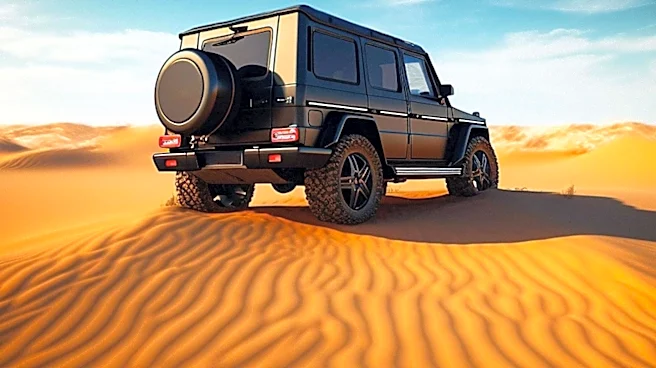
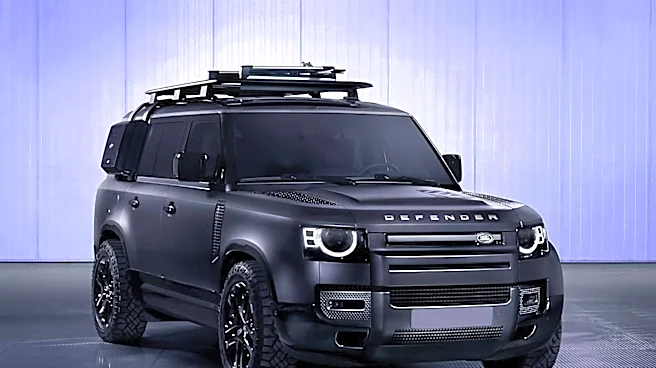
Land Rover's upcoming compact SUV, unofficially dubbed the 'baby Defender,' has been spotted with a rear-mounted spare wheel, a signature design element of the Defender family. This detail aims to distinguish it from other premium crossovers that often
forgo external spares for weight and CO2 reduction. The new model shares its EMA architecture with JLR’s electric Range Rover GT but adopts a boxier, more upright design to maximize practicality and maintain the Defender aesthetic. While the EMA platform was initially conceived for electric power with an 800-volt electrical system, JLR has confirmed that the architecture has been updated to also support hybrid (non-plug-in) powertrains. This decision reflects a shift in JLR's strategy, acknowledging that the transition to electric vehicles has not been as rapid as anticipated, particularly in the U.S. market, and that hybrids have proven popular.
Why It's Important?
This development is significant for the U.S. automotive market as it indicates a strategic adaptation by JLR to evolving consumer preferences and market realities. The inclusion of a hybrid powertrain option for the baby Defender suggests that JLR is hedging its bets against a slower-than-expected EV adoption rate, particularly in a market where range anxiety and charging infrastructure remain concerns for many consumers. By offering both electric and hybrid options, Land Rover aims to capture a broader customer base, appealing to those who desire the Defender's rugged aesthetic and off-road capability but may not be ready for a fully electric vehicle. This move could influence other manufacturers to maintain or expand their hybrid offerings, impacting the pace of electrification in the U.S. auto industry and potentially affecting sales and market share for competing compact SUVs.
What's Next?
The baby Defender is expected to arrive potentially in 2027, entering a competitive segment that will also see Mercedes preparing its own smaller G-Class. The availability of both electric and hybrid powertrains will likely be a key marketing point, allowing Land Rover to cater to diverse consumer demands in the U.S. market. JLR's continued monitoring of EV adoption rates and hybrid popularity will likely influence future product development and investment in powertrain technologies. Competitors will be closely watching the market reception of the baby Defender's dual-powertrain strategy, which could lead to similar adjustments in their own product roadmaps. The emphasis on a distinctive design element like the rear-mounted spare wheel also suggests a focus on brand heritage and differentiation in a crowded SUV market.
Beyond the Headlines
The decision to incorporate hybrid powertrains into an EV-centric platform highlights a broader industry challenge: the unpredictable pace of technological adoption and consumer behavior. While many automakers initially committed to aggressive electrification timelines, the reality of market demand, infrastructure limitations, and consumer readiness has led to strategic recalibrations. JLR's move with the baby Defender reflects a pragmatic approach, acknowledging that a diverse powertrain offering can mitigate risks and maximize market penetration during this transitional period. This flexibility could set a precedent for other manufacturers, suggesting that a multi-pronged approach to propulsion systems might be more sustainable in the short to medium term than an exclusive focus on EVs. It also underscores the importance of understanding regional market nuances, as the U.S. market's EV adoption rate has proven to be a critical factor in these strategic shifts.