






What's Happening?
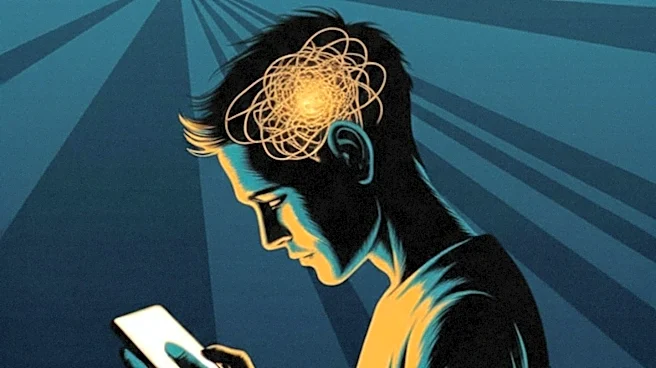
Internet users are sharing their experiences of falling into online 'rabbit holes,' where a single search or link leads to hours of unexpected and often bizarre discoveries. These deep dives range from genealogical research leading to 17th-century village
records to explorations of Sumerian mythology, which some describe as reading like science fiction. Other users have found themselves engrossed in topics such as the Chernobyl disaster, the history of the Mormon church, or the lore of popular franchises like Warhammer 40K. Some encounters are more unsettling, including cockpit recordings of aviation disasters, discussions about alleged government conspiracies, or detailed accounts of untreated paranoid schizophrenia found on obscure websites. The phenomenon highlights human curiosity and the internet's capacity to connect disparate information.
Why It's Important?
The prevalence of internet 'rabbit holes' underscores significant aspects of modern information consumption and human psychology. It demonstrates how easily individuals can become immersed in niche topics, often driven by an 'information gap'—the desire to fill missing knowledge. This can lead to both educational and potentially harmful outcomes. While some users gain deep insights into complex subjects, others may encounter misinformation, conspiracy theories, or disturbing content, which can shape their worldview. The phenomenon also highlights the internet's role in fostering communities around obscure interests and the challenge of discerning credible information from speculation. For platforms, it raises questions about content moderation and algorithmic recommendations that can inadvertently lead users down these paths.
What's Next?
As internet algorithms become more sophisticated, the nature of these 'rabbit holes' may evolve, potentially leading users to increasingly personalized and sometimes echo-chambered content. There could be a growing focus on digital literacy initiatives to help users navigate complex online information and critically evaluate sources encountered during deep dives. Social media platforms and search engines might explore ways to balance user engagement with responsible information dissemination, perhaps by flagging unverified claims or providing contextual information. The psychological aspects of online curiosity will likely continue to be a subject of study, examining how prolonged exposure to certain types of content affects mental well-being and cognitive biases. The trend also suggests a continued demand for diverse and often unconventional content, pushing creators to explore niche subjects.
Beyond the Headlines
The phenomenon of internet 'rabbit holes' reflects a deeper human need for narrative and meaning-making in an increasingly complex world. The allure of uncovering hidden truths, whether in historical records or conspiracy theories, speaks to a desire for understanding beyond surface-level information. Ethically, the ease with which individuals can stumble upon disturbing or misleading content raises concerns about digital well-being and the responsibility of online platforms. Culturally, these shared experiences of deep internet exploration contribute to a collective online consciousness, where obscure facts and theories can gain traction and influence broader discussions. It also highlights the tension between the internet as a tool for boundless knowledge and a potential source of overwhelming or disorienting information, challenging individuals to develop stronger critical thinking skills in their digital lives.