





What's Happening?
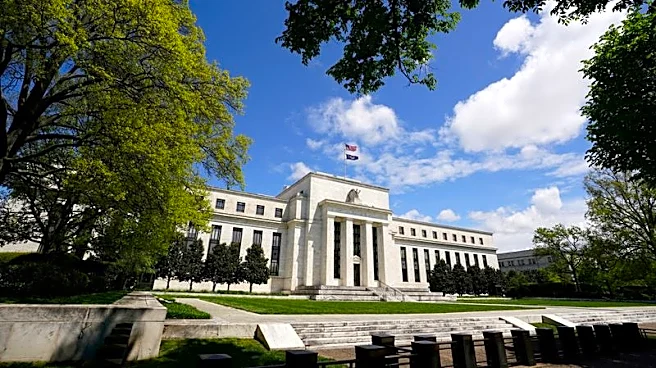
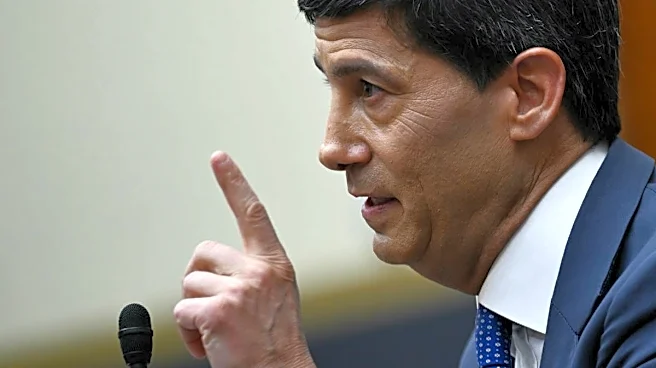
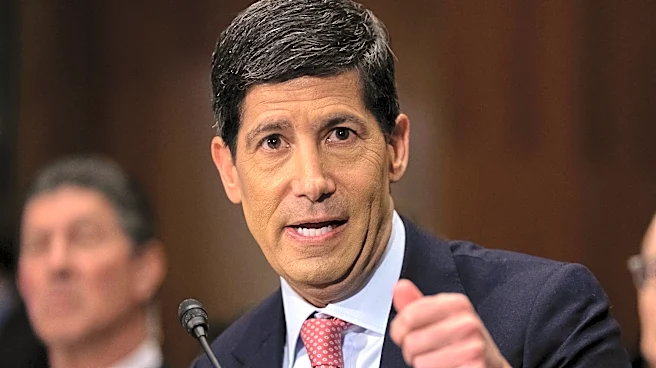
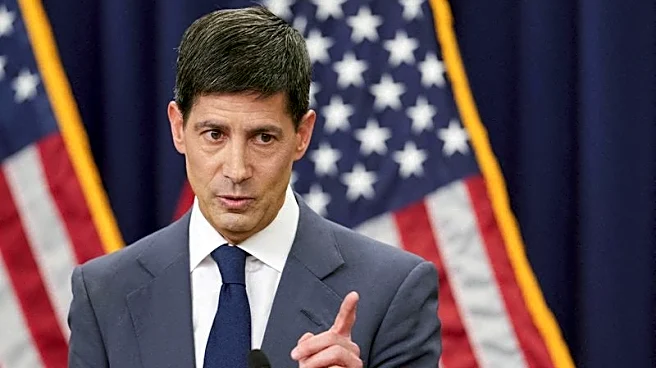
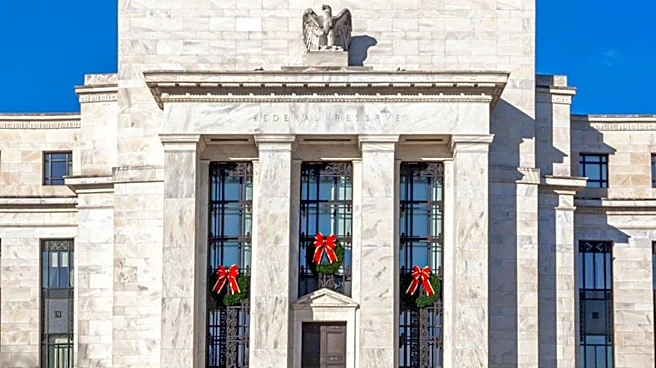
Kevin Warsh, the new Chair of the Federal Reserve, has introduced a significant shift in the Fed's communication strategy, sparking debate among economists and investors. Warsh's approach, which includes shorter and more concise statements, eliminates
forward guidance and voting details, marking a departure from the practices of his predecessor, Jerome Powell. This change aims to make the Fed more responsive to market signals, but it has also led to confusion and uncertainty about future monetary policy directions. Warsh's first two statements as chair have been notably brief, with the latest containing only 130 words compared to over 300 in previous statements. This new communication style is part of Warsh's broader effort to reform the Fed's operations, including the formation of task forces to review key aspects of its functions.
Why It's Important?
The Federal Reserve's communication strategy plays a crucial role in shaping market expectations and economic stability. Warsh's decision to eliminate forward guidance could lead to increased market volatility, as investors and businesses may struggle to anticipate the Fed's future policy moves. This uncertainty can impact investment decisions and economic growth, as stakeholders may adopt a more cautious approach in the absence of clear signals from the Fed. Additionally, Warsh's reforms could influence the Fed's credibility and effectiveness in managing inflation and economic growth. As the Fed navigates a complex economic landscape, its ability to communicate effectively with markets and the public will be critical in maintaining confidence and achieving its policy objectives.
What's Next?
As Warsh continues to implement his communication strategy, the Federal Reserve's future statements and policy decisions will be closely monitored for any signs of change. The task forces reviewing the Fed's operations are expected to provide recommendations that could further shape the central bank's approach to monetary policy and communication. Investors and economists will be watching for any adjustments to the Fed's inflation targets or other key policy measures. The effectiveness of Warsh's strategy in maintaining market stability and achieving the Fed's economic goals will be a key focus in the coming months, as stakeholders assess the impact of these changes on the U.S. economy.