



What's Happening?
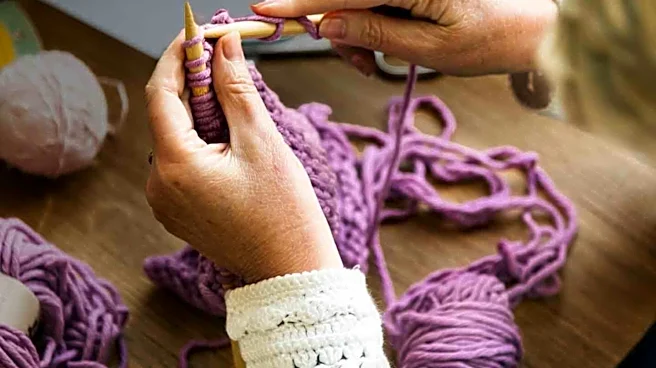
Nell Musolf, a local columnist, shared her perspective on the therapeutic aspects of crafting and shopping at stores like Hobby Lobby in Mankato, Minnesota. Musolf described a recent visit to Hobby Lobby to purchase yarn, emphasizing the relaxing atmosphere
of craft stores. She noted that such establishments are places where people choose to be, contrasting them with necessity-driven shopping experiences like grocery stores or hardware stores. Her husband, Mark, accompanied her, exploring Harbor Freight, which is located in the same strip mall. Musolf highlighted that craft stores offer 'fun kits' rather than 'repair kits,' underscoring the leisure and enjoyment associated with these retail environments. The column reflects on the simple pleasures and stress-reducing qualities of engaging in hobbies and visiting specialized retail outlets.
Why It's Important?
Nell Musolf's column provides insight into the psychological and social importance of retail spaces beyond their primary commercial function. Her observations underscore how certain stores, particularly those catering to hobbies and leisure, serve as community hubs and sources of personal well-being. In an era where online shopping is prevalent, Musolf's piece highlights the enduring value of physical retail experiences that offer a sense of escape, creativity, and relaxation. For businesses like Hobby Lobby, this perspective reinforces the importance of creating inviting and engaging environments that foster customer loyalty and satisfaction. It also subtly points to the economic impact of leisure activities, as consumers invest in materials and tools for their hobbies, supporting local retail and contributing to the broader economy.
Beyond the Headlines
Musolf's reflection on the 'joys of crafting' touches upon a deeper cultural significance of hobbies and creative pursuits. In a fast-paced world, activities like crafting offer a valuable outlet for mindfulness, stress reduction, and personal expression. The act of creating something with one's hands can provide a sense of accomplishment and satisfaction that is often missing from daily routines. Furthermore, the column subtly highlights the gendered aspects of retail spaces, with Musolf gravitating towards Hobby Lobby for crafting and her husband towards Harbor Freight for tools. This observation, while anecdotal, reflects broader societal patterns in consumer interests and leisure activities. The column ultimately celebrates the simple, yet profound, ways in which retail environments can contribute to individual happiness and well-being.