







What's Happening?
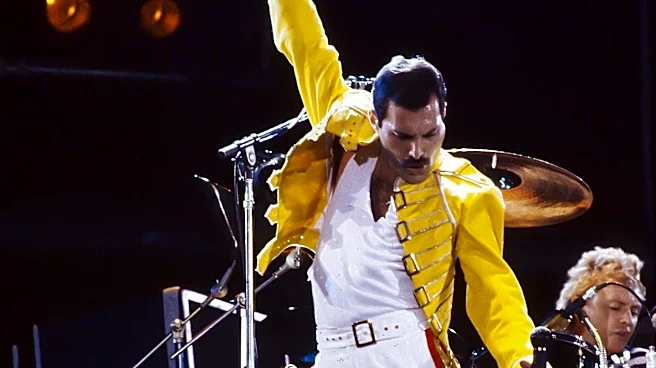
Freddie Mercury, the iconic frontman of Queen, lived by the philosophy of pursuing a 'fabulous life,' a concept that emphasized self-awareness and authenticity rather than mere revelry. According to Mick Rock, Queen's photographer from 1973 to 1975, Mercury's
quote, 'The most important thing is to live a fabulous life. As long as it's fabulous, I don't care how long it is,' encapsulates his approach. Even before Queen achieved global fame with hits like 'Bohemian Rhapsody,' Mercury had a clear vision for his life and remained true to his desires. Born Farrokh Bulsara in Zanzibar, Mercury's musical talent was evident from a young age, leading him to form his first band, the Hectics, at 12 and later co-found Queen in 1971.
Why It's Important?
Mercury's philosophy offers a profound insight into the mindset of one of music's most influential figures. His emphasis on self-awareness and living authentically, regardless of societal expectations, resonates beyond the music industry. This outlook allowed him to craft a unique stage persona and create music that continues to inspire millions. For artists and individuals alike, Mercury's life serves as a testament to the power of conviction and self-acceptance. His ability to define and pursue his own version of a 'fabulous life' contributed significantly to his artistic output and enduring legacy. This perspective highlights that true success and fulfillment often stem from an internal compass rather than external validation, making his story a timeless example of living life on one's own terms.
What's Next?
While Freddie Mercury's life has concluded, his philosophy continues to influence new generations of artists and fans. Documentaries, biopics, and academic analyses frequently explore his life and artistic contributions, ensuring his ideas remain relevant. His music, characterized by its theatricality and emotional depth, continues to be performed and celebrated globally, reinforcing the impact of his authentic approach to life and art. Discussions around his legacy often touch upon themes of identity, self-expression, and the pursuit of personal truth, suggesting that his 'fabulous life' philosophy will continue to be a subject of inspiration and study for years to come. His influence is likely to persist as new artists draw inspiration from his fearless approach to creativity and self-presentation.
Beyond the Headlines
Beyond the surface-level glamour associated with Mercury's life, his philosophy delves into deeper existential questions about purpose and fulfillment. His unwavering commitment to living authentically, even in the face of societal norms, challenges individuals to consider what truly constitutes a 'fabulous life' for themselves. This perspective encourages introspection and a rejection of superficial definitions of success. In an era often characterized by external pressures and comparisons, Mercury's message of self-acceptance and living according to one's own principles offers a powerful counter-narrative. His life and philosophy serve as a reminder that true artistry and personal satisfaction are often rooted in a profound understanding and acceptance of oneself, regardless of the path taken or the outcome.