





What's Happening?
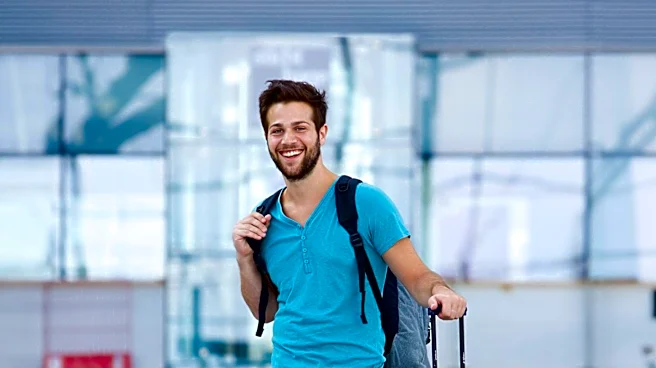
As the summer travel season peaks, many travelers are facing the challenge of jet lag, a condition that can disrupt sleep and cause fatigue, headaches, and digestive issues. Experts suggest that adjusting eating and drinking habits can help mitigate these
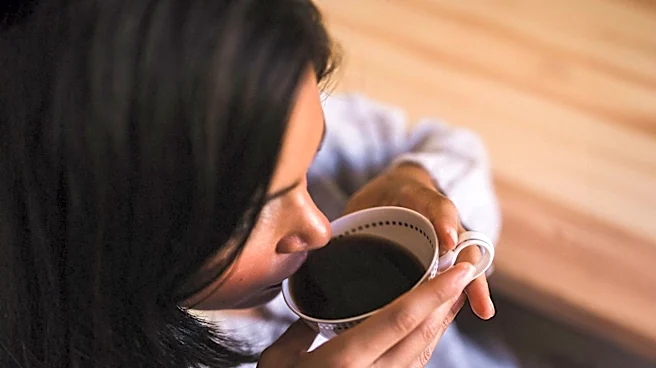
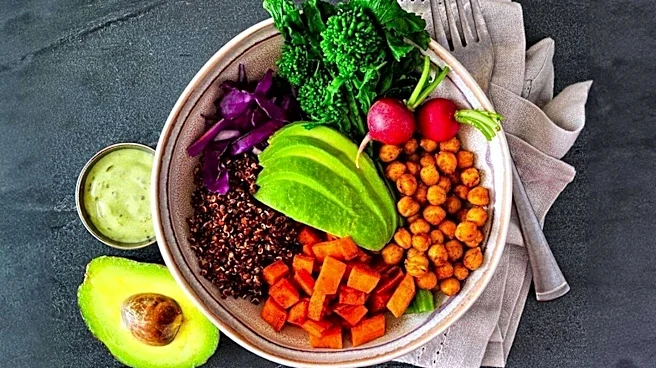
effects. Tara Schmidt, a registered dietitian at Mayo Clinic, and Joanne Slavin, a nutrition expert at the University of Minnesota, recommend aligning meal times with the local schedule of the destination. This involves gradually shifting meal times before travel and maintaining smaller, easily digestible meals during the trip. Avoiding alcohol is also advised, as it can disrupt sleep. Instead, strategic use of caffeine and staying hydrated are recommended to combat fatigue and the dehydrating effects of dry cabin air.
Why It's Important?
Jet lag can significantly impact the enjoyment and productivity of a trip, making it crucial for travelers to manage its effects effectively. By following expert advice on meal timing and hydration, travelers can better adjust to new time zones, reducing the risk of sleep disturbances and digestive discomfort. This approach not only enhances personal well-being but also supports the travel industry by improving customer satisfaction. As travel resumes post-pandemic, understanding and implementing these strategies can lead to more pleasant travel experiences, benefiting both individuals and the broader tourism sector.
What's Next?
Travelers are encouraged to incorporate these dietary strategies into their travel plans to minimize jet lag. As awareness grows, airlines and travel companies might also begin to offer more guidance and support for passengers, such as meal planning tips and hydration reminders. Additionally, further research into the relationship between diet and jet lag could lead to new recommendations and products designed to ease the transition across time zones.