


What's Happening?
CBS has announced a schedule change for its popular series 'Tracker' and 'Marshals' on November 22. Both shows will air 30 minutes later than their usual timeslots. 'Marshals' will now broadcast at 8:30 p.m. ET, and 'Tracker' will follow at 9:30 p.m. ET/PT.
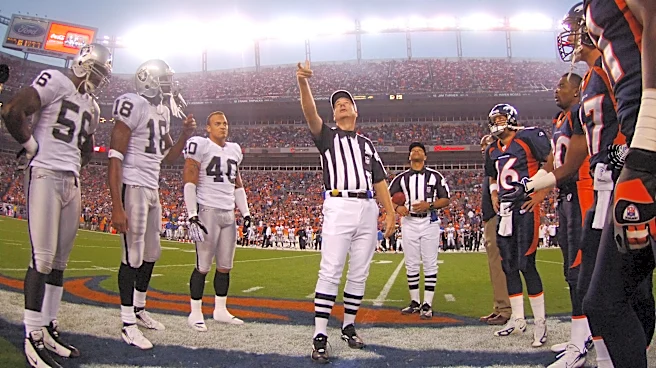
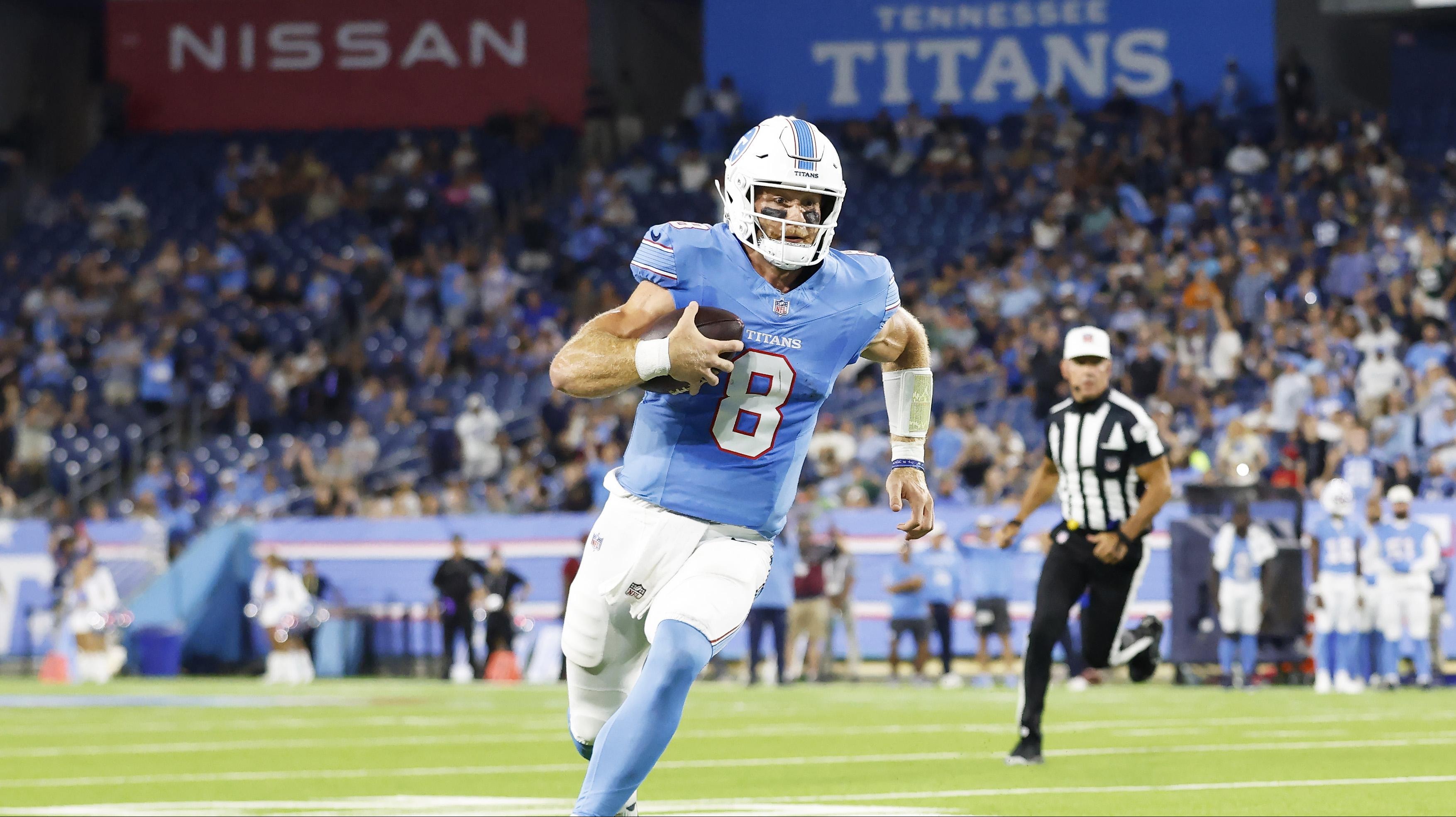
The new episode of 'Marshals' is titled 'Under the Influence,' where characters Kayce and Belle go undercover in a dangerous cult to find a missing federal agent. The 'Tracker' episode, titled 'That's the Job,' will feature Colter at odds with rival tracker Luke, played by Josh Holloway, whose methods are described as reckless and morally questionable. This adjustment is a direct consequence of CBS airing an NFL double-header, which includes a 4:25 p.m. ET game, pushing '60 Minutes' to 7:30 p.m. ET and subsequently delaying the other prime-time programming. Both shows are expected to return to their regular timeslots the following week.
Why It's Important?
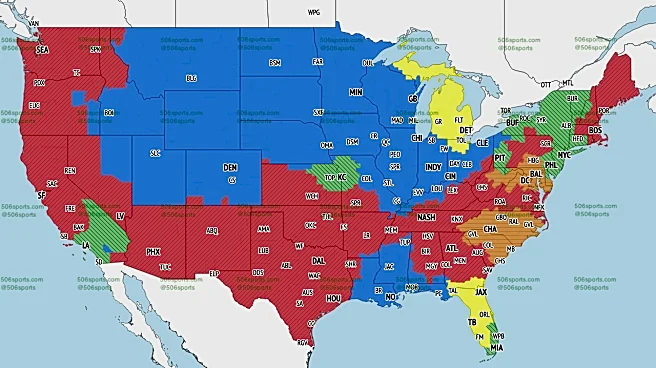
This schedule alteration highlights the significant impact live sports broadcasting, particularly NFL games, has on network television programming in the U.S. For CBS, leveraging the massive viewership of an NFL double-header often means adjusting its regular prime-time lineup to maximize audience retention from the sports lead-in. While this strategy can boost ratings for the delayed shows by exposing them to a larger, sports-attuned audience, it also risks inconveniencing regular viewers who might miss the start of their favorite programs if they are unaware of the change. For advertisers, these schedule shifts can be a double-edged sword; increased potential viewership is positive, but audience fragmentation due to confusion can be negative. The decision reflects a broader trend in U.S. television where live events, especially sports, dictate programming flexibility and often take precedence over scripted series, underscoring the enduring value of live content in a streaming-dominated landscape.
What's Next?
Following this one-off schedule change, both 'Tracker' and 'Marshals' are slated to revert to their standard broadcast times the subsequent week. Viewers who missed the delayed episodes will likely turn to on-demand services or the CBS streaming platform to catch up. The network will continue to monitor viewership data from this adjusted schedule to inform future programming decisions, especially concerning how NFL lead-ins affect prime-time entertainment. For the shows themselves, the introduction of Josh Holloway as a rival tracker in 'That's the Job' suggests a new dynamic for 'Tracker,' potentially setting up ongoing character conflicts. The 'Marshals' episode, with its undercover cult storyline, indicates a focus on high-stakes investigative drama. The network's strategy will continue to balance the appeal of live sports with the consistent delivery of its scripted content.
Beyond the Headlines
The practice of adjusting prime-time schedules for major sporting events like NFL double-headers reveals a deeper strategic play by U.S. broadcast networks. In an era where traditional television viewership is challenged by streaming services, live sports remain one of the few categories that consistently draw large, simultaneous audiences. Networks use these events not only for direct advertising revenue but also as a powerful promotional tool to funnel viewers into their entertainment programming. This 'lead-in' strategy is crucial for launching new shows or boosting established ones, as it capitalizes on the captive audience. However, it also underscores the evolving nature of television consumption, where viewers increasingly expect flexibility and on-demand access, potentially leading to frustration when live broadcast schedules are unpredictable. The reliance on sports to anchor prime-time schedules highlights the ongoing struggle for traditional broadcasters to maintain relevance and audience share in a fragmented media landscape.