



What's Happening?
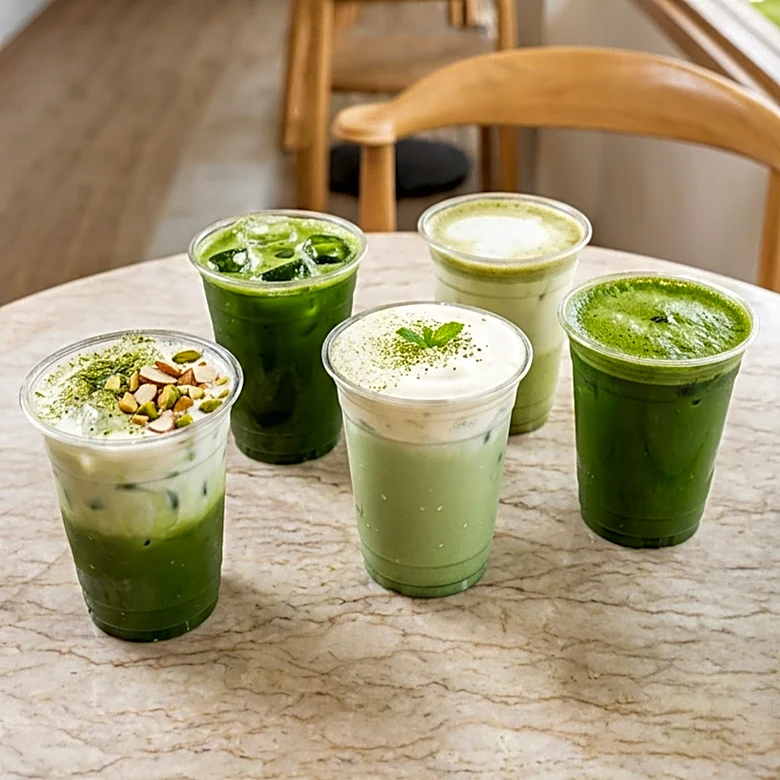
A collection of 12 healthy smoothie recipes has been released, focusing on plant-based ingredients, natural sweetness, and quick preparation times. These recipes include a variety of options such as green smoothies, high-protein shakes, and smoothie bowls,
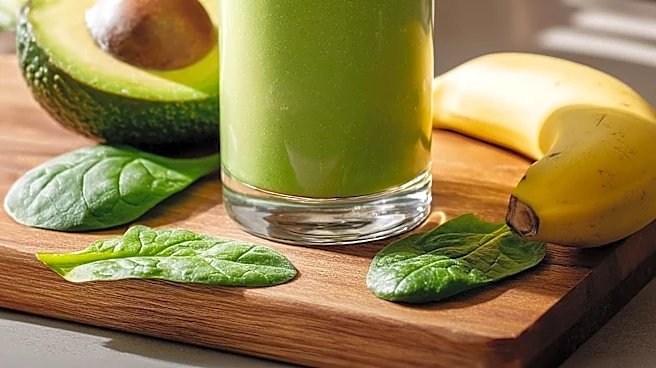
with most taking five minutes or less to prepare. The aim is to provide convenient and nutritious options for busy mornings, post-workout recovery, or as an afternoon pick-me-up. Key ingredients often include frozen bananas, spinach, almond butter, and various fruits, with an emphasis on avoiding added sugars or syrups. The recipes also highlight the benefits of using a good blender for optimal texture and consistency. Specific examples include a 'Daily Green Smoothie' with 26g of protein and a '5-Minute Mango Sunshine Smoothie' that is vegan and sugar-free. The collection also features immunity-boosting juices like a 'Flu Shot Immunity Juice' and a 'Purple Power Juice'.
Why It's Important?
This trend towards quick, plant-based, and naturally sweetened smoothie recipes reflects a broader shift in consumer preferences towards healthier, more convenient food options in the U.S. As individuals seek ways to incorporate more fruits, vegetables, and protein into their diets without extensive preparation, these types of recipes become increasingly valuable. The emphasis on plant-based ingredients aligns with growing dietary trends and health consciousness, potentially impacting the demand for fresh produce, plant-based protein powders, and related kitchen appliances like blenders. For the food industry, this signifies a continued market for health-focused products and convenience foods. Consumers stand to gain from accessible nutritional options that support busy lifestyles, while businesses catering to health and wellness can capitalize on this demand by offering relevant products and services.
What's Next?
The continued popularity of health-conscious and convenient food options suggests that more recipe collections and product innovations in the smoothie and plant-based food sectors are likely. We can anticipate further development in ready-to-blend smoothie kits, specialized plant-based protein powders, and blenders designed for ease of use and efficiency. Food bloggers, nutritionists, and health brands will likely continue to promote similar recipes and dietary approaches, further embedding these trends into mainstream American diets. Retailers may expand their offerings of fresh and frozen ingredients tailored for smoothie preparation, and meal kit services might incorporate more smoothie options. The focus on natural sweetness and whole foods is also expected to influence other areas of food development, pushing for healthier alternatives across various product categories.
Beyond the Headlines
The proliferation of such recipes points to a deeper cultural shift in how Americans approach daily nutrition. It highlights a desire for 'bio-hacking' daily routines for optimal health and efficiency, where food becomes a functional tool for energy and well-being rather than just sustenance. This trend also underscores the increasing role of digital platforms and online content creators in shaping dietary habits and food choices. The emphasis on quick preparation might also reflect the pressures of modern life, where time is a premium, and convenience often dictates food choices. Ethically, the promotion of plant-based diets can contribute to discussions around sustainability and environmental impact, as plant-based eating generally has a lower carbon footprint than meat-heavy diets. Legally, the clear labeling of ingredients and nutritional information will remain crucial as consumers become more discerning about what they consume.