





What's Happening?
Dr. Annu Navani, Chief Medical Officer at Le Reve Wellness in San Jose, California, and founder of the World Institute of Regenerative Medicine, has cautioned against the 'false promise' of dramatically extended human lifespans through 'biohacks.' While
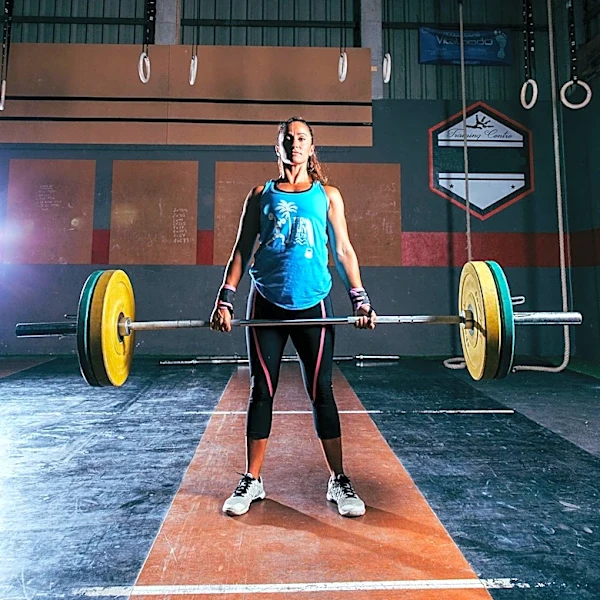
acknowledging progress in extending human life, Dr. Navani stated that living beyond 120 or 130 years is unlikely. Instead, she emphasizes improving the quality of existing years rather than solely focusing on extending life. She advocates for accessible longevity habits that do not require costly procedures or supplements. Dr. Navani outlined four key pillars for healthy aging: maintaining quality sleep, managing stress, adhering to a nutritious diet, and sticking to a regular exercise program. She specifically highlighted high-intensity resistance training as crucial for individuals aged 50 and older, noting its benefits for bone health, musculoskeletal blood flow, and overall cardiovascular and neurovascular health. She also mentioned VO2 max as an important biomarker for health and longevity.
Why It's Important?
Dr. Navani's perspective is important as it challenges the growing trend and commercialization of 'biohacks' and extreme longevity claims, which often involve significant financial investment. By shifting the focus from merely extending life to enhancing the quality of life, her advice promotes a more practical and accessible approach to healthy aging for the general public. This re-prioritization can influence public health messaging and individual health choices, potentially reducing the pursuit of unproven and expensive interventions. Her emphasis on fundamental lifestyle habits—sleep, stress management, diet, and exercise—underscores their profound impact on long-term health and well-being, offering a cost-effective alternative to complex 'biohacks.' This approach could lead to a more sustainable and equitable public health strategy, benefiting a broader demographic by promoting preventative care and healthy living practices that are within reach for most individuals.
What's Next?
The ongoing discussion around longevity and healthy aging is likely to continue, with medical experts like Dr. Navani advocating for evidence-based, accessible strategies. This could lead to increased public awareness campaigns promoting fundamental health habits over speculative 'biohacks.' Healthcare providers may integrate these principles more deeply into patient education, focusing on lifestyle modifications as primary interventions for healthy aging. Research will likely continue to explore both advanced regenerative medicine and the long-term impacts of basic lifestyle choices, further refining our understanding of longevity. The 'biohacking' industry may face increased scrutiny to provide scientific evidence for its claims, potentially leading to a more regulated or transparent market. Individuals are encouraged to consult healthcare professionals for personalized advice on healthy aging, prioritizing proven methods over unverified trends.
Beyond the Headlines
The debate between 'biohacks' and fundamental lifestyle changes for longevity touches upon deeper societal values concerning health, aging, and the pursuit of immortality. The allure of quick fixes and technological solutions for extending life reflects a broader cultural desire to overcome natural limitations. However, Dr. Navani's stance highlights the ethical and practical implications of such pursuits, particularly regarding equitable access to health and the potential for creating health disparities. It also underscores the importance of holistic well-being, where mental and physical health are interconnected, rather than viewing the body as a machine to be optimized through external interventions. This conversation prompts a re-evaluation of what constitutes a 'good life' and a 'healthy old age,' emphasizing the intrinsic value of well-being and quality of experience over mere duration. The focus on accessible habits also addresses socio-economic inequalities in health, promoting a more inclusive vision of healthy aging.