





What's Happening?
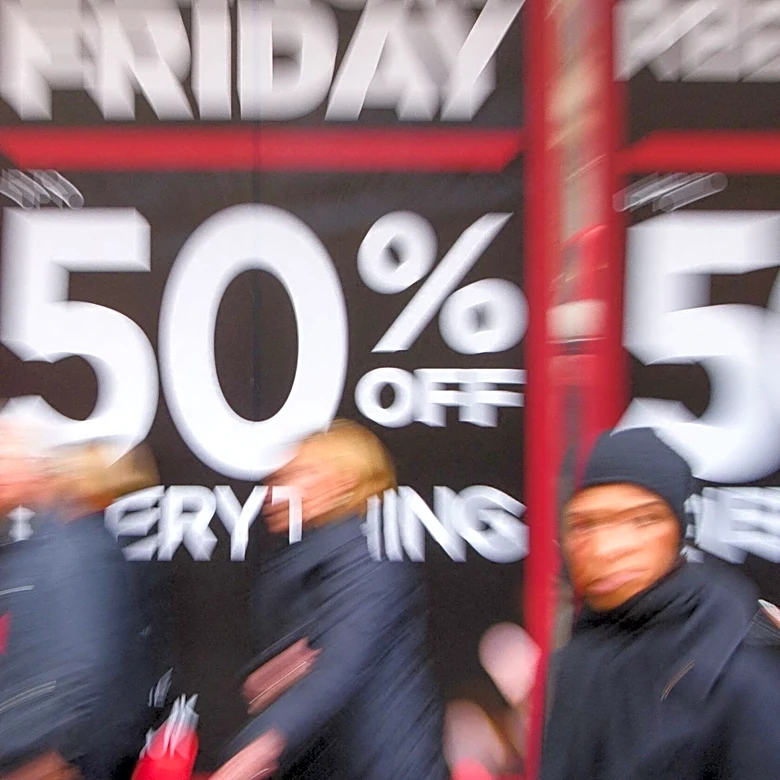
Macy's has announced that its Cyber Monday deals for 2026 will commence on November 30. This announcement comes as many retailers, including Macy's, have already initiated early Black Friday sales. Shoppers can currently find discounts of up to 70% on select
clothing, shoes, beauty products, and home items as part of Macy's Black Friday offerings. Other major retailers like Nordstrom, SPANX, and Amazon are also participating in early holiday sales, with Nordstrom offering up to 60% off on various categories and SPANX providing up to 50% off sitewide, including best-selling styles. The retail landscape is characterized by a staggered rollout of holiday discounts, with some deals already live and others, like Macy's Cyber Monday event, scheduled for later in the month.
Why It's Important?
The early launch of Black Friday sales and the specific announcement of Cyber Monday dates by major retailers like Macy's are significant for the U.S. retail sector and consumer spending. This trend indicates a strategic effort by companies to capture consumer dollars over an extended period, potentially mitigating the intense competition of a single shopping day. For consumers, it means a longer window to find deals, but also requires careful tracking to ensure they are getting the best prices. The competitive nature of these sales can influence quarterly earnings for retailers, impacting stock performance and investor confidence. Furthermore, the emphasis on online deals for Cyber Monday highlights the continued shift towards e-commerce, which has broader implications for logistics, digital marketing, and the physical retail footprint across the nation.
What's Next?
As November progresses, consumers can anticipate a continued rollout of Black Friday and Cyber Monday deals from various retailers. Macy's Cyber Monday event on November 30 will be a key date for online shoppers. Other retailers are expected to either continue their current sales or introduce new promotions leading up to and through the Cyber Monday period. Shoppers will likely be comparing deals across different platforms to maximize savings. Retailers will be closely monitoring sales data to adjust inventory and marketing strategies in real-time. The performance of these holiday sales will provide early indicators for the overall health of the consumer economy heading into the end of the year and the subsequent fiscal quarters.
Beyond the Headlines
The extended holiday shopping season, marked by early Black Friday and distinct Cyber Monday announcements, reflects a deeper evolution in consumer behavior and retail strategy. This prolonged period of discounts can lead to 'deal fatigue' among consumers, making it harder for individual promotions to stand out. Retailers are increasingly using data analytics to personalize offers and time their sales to maximize impact, blurring the lines between traditional shopping holidays. This shift also raises questions about the sustainability of constant discounting and its long-term effects on brand perception and profit margins. The emphasis on online sales further accelerates the transformation of physical retail spaces, potentially leading to more store closures or repurposing of brick-and-mortar locations as fulfillment centers or experiential showrooms.