





What's Happening?
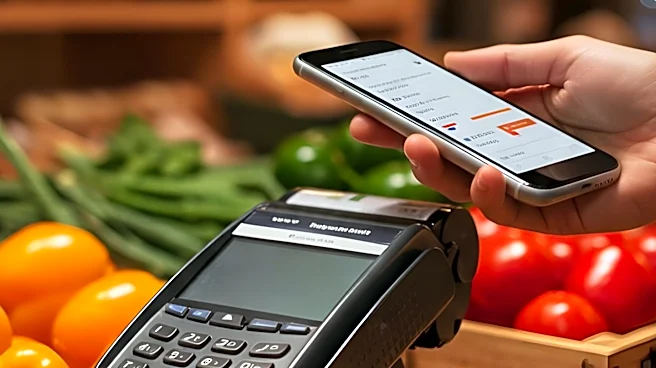
Sodexo Live! has launched a new cashierless grab-and-go concept, Salt Shaker Grab-and-Go, at the Salt Palace Convention Center in Utah. This autonomous retail spot utilizes technology from AiFi, allowing customers to purchase items without a traditional
checkout process. The Salt Shaker Grab-and-Go offers a variety of food and beverage options, including sandwiches, pastries, and coffees. This initiative reflects a growing trend in the U.S. toward cashierless retail, driven by increasing consumer comfort with such systems and the widespread adoption of AI technology. Greg Fender, executive vice president of Sodexo Live! North America, stated that this move aims to enhance the attendee experience by expanding payment options and providing new ways to enjoy their time at the convention center. Other major players in the U.S. market, such as Chartwells, have partnered with Standard AI to open numerous autonomous concepts on college campuses, and retail giants Amazon and Instacart have introduced their cashierless checkout systems at Major League Baseball parks.
Why It's Important?
The introduction of cashierless grab-and-go options like the one at Salt Palace Convention Center signifies a significant shift in the U.S. retail and food service industries. This trend is driven by technological advancements in AI and computer vision, which enable seamless and efficient customer experiences. For businesses, these systems can lead to reduced labor costs, increased operational efficiency, and potentially higher customer satisfaction due to faster service. Consumers benefit from convenience and reduced wait times, aligning with a broader preference for self-service and contactless transactions. The expansion of such technology into convention centers, college campuses, and sports venues indicates a widespread adoption across various sectors, impacting how Americans interact with retail environments. This also highlights the increasing integration of AI into daily commercial operations, setting new standards for customer service and operational models.
What's Next?
The success and expansion of cashierless concepts like Salt Shaker Grab-and-Go are likely to encourage further investment and development in autonomous retail technologies across the U.S. We can anticipate more partnerships between food service providers, venue operators, and AI technology companies to implement similar solutions in diverse settings, including airports, corporate campuses, and other high-traffic areas. The continuous refinement of AI and sensor technologies will likely lead to even more sophisticated and user-friendly cashierless systems. As consumers become more accustomed to these technologies, their expectations for quick and seamless transactions will rise, pushing more businesses to adopt such models to remain competitive. Additionally, the data collected from these systems could provide valuable insights into consumer behavior and inventory management, leading to optimized operations and personalized offerings.
Beyond the Headlines
The proliferation of cashierless payment systems raises deeper implications concerning the future of employment in the retail sector and the evolving nature of customer service. While these technologies offer efficiency and convenience, they also prompt discussions about job displacement for cashiers and other front-line retail staff. Furthermore, the reliance on AI and data collection in these systems brings forth ethical considerations regarding data privacy and security. The shift towards autonomous retail could also reshape urban planning and store design, prioritizing technology infrastructure over traditional checkout aisles. This trend underscores a broader societal move towards automation and digital interaction, potentially altering the human element in commercial transactions and influencing consumer expectations for instant gratification and minimal human contact in their shopping experiences. The long-term impact on local economies and the workforce will be a critical area to monitor as these technologies become more ubiquitous.