




What's Happening?
H & M Hennes & Mauritz AB (publ), a global apparel manufacturing company headquartered in Stockholm, Sweden, continues to expand its offerings across clothing, accessories, footwear, cosmetics, home textiles, and homeware. The company operates under various
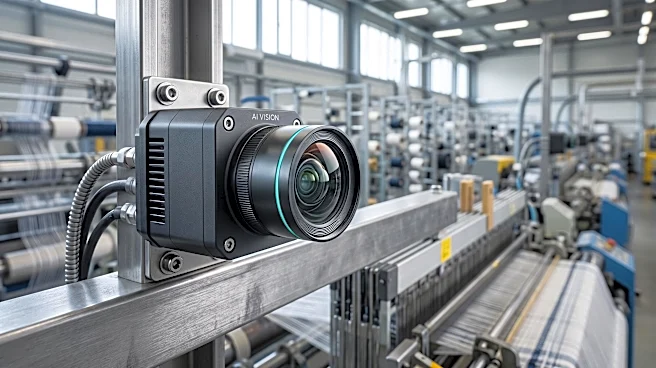
brand names including H&M, H&M HOME, COS, Weekday, Monki, & Other Stories, ARKET, and Singular Society. Beyond traditional retail, H&M is actively involved in sustainability initiatives. This includes operating Sellpy, a digital platform for second-hand fashion, and investing in technologies like Smartex.ai for real-time fault detection in textile production. Additionally, H&M supports Syre, a platform focused on scaling textile-to-textile recycling, particularly for polyester, and Looper Textile, which provides solutions for reusing and recycling garments. The company also offers selected vintage and secondhand accessories through A Retro Tale and operates seasonal vegetarian cafés.
Why It's Important?
H&M's diversified approach, combining traditional retail with significant investments in circular economy initiatives, reflects a broader trend in the consumer cyclical sector. By integrating platforms like Sellpy and Syre, H&M is addressing growing consumer demand for sustainable fashion and contributing to reducing textile waste. This strategy could set a precedent for other large retailers in the U.S. and globally, influencing how fashion companies manage their supply chains and product lifecycles. The focus on textile recycling and second-hand markets not only enhances H&M's brand image but also positions it to potentially capitalize on new revenue streams in the burgeoning sustainable fashion market. For U.S. consumers, this means increased access to more environmentally conscious product options and a wider array of shopping experiences, from new collections to vintage and recycled goods.
What's Next?
H&M is expected to continue its expansion in both its retail footprint and its sustainability ventures. The company's ongoing investments in platforms like Smartex.ai and Syre suggest a commitment to technological innovation in textile production and recycling. This could lead to more efficient and environmentally friendly manufacturing processes, potentially influencing industry standards. The continued growth of its second-hand and vintage offerings through Sellpy and A Retro Tale indicates a strategic move to capture a larger share of the circular fashion market. Future developments may include further partnerships in textile recycling and broader adoption of sustainable materials across its product lines, impacting how U.S. consumers perceive and interact with fast fashion brands.
Beyond the Headlines
H&M's comprehensive strategy, encompassing both new product sales and robust circular economy initiatives, highlights a significant shift in the retail industry's approach to environmental responsibility. This move goes beyond mere corporate social responsibility and delves into fundamental business model transformation. By actively participating in and investing in the entire lifecycle of textiles—from production to recycling and resale—H&M is challenging the traditional linear model of 'take, make, dispose.' This could have profound long-term implications for resource consumption, waste management, and labor practices within the global fashion industry, potentially influencing regulatory frameworks and consumer expectations in the U.S. and beyond regarding product sustainability and corporate accountability.