








What's Happening?
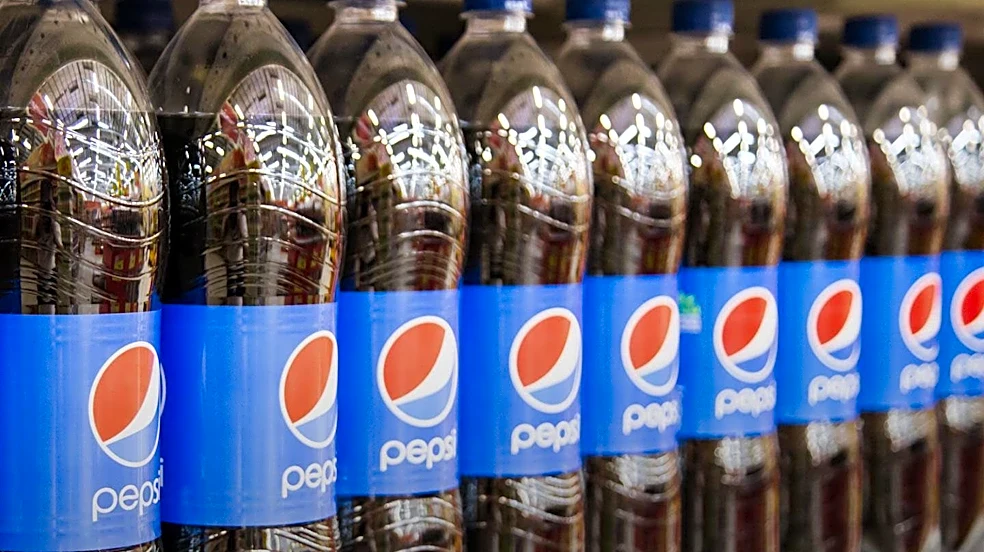
PepsiCo has announced that it has successfully met its 2025 nutrition targets for reducing added sugars, sodium, and saturated fat in its food and drink portfolio. This achievement is the result of a decade-long effort to adapt familiar products to changing
consumer preferences and regulatory environments. The company's strategy involved extensive research and development, focusing on consumer understanding, scientific validation, and local adaptation while maintaining product taste. Examples of these changes include lower and no-sugar drink options for brands like 7UP and Mountain Dew, sodium reductions in Lay’s and Doritos, and the use of oils with lower saturated fat in various snack brands. The company's approach emphasizes a collaborative effort across multiple departments, including R&D, marketing, and regulatory teams, to ensure product integrity and consumer acceptance.
Why It's Important?
This development is significant for the U.S. food and beverage industry as it highlights a major player's commitment to public health and evolving dietary trends. PepsiCo's success in meeting its nutrition targets demonstrates that large-scale product reformulation is feasible without compromising taste or market appeal. This could set a precedent for other food and beverage companies, encouraging them to invest further in healthier product development. For consumers, it means a wider availability of products with improved nutritional profiles, potentially contributing to better public health outcomes. The company's ability to achieve growth, as seen with Doritos in Europe, suggests that health-conscious product innovation can also be a driver of business success, influencing investment and marketing strategies across the sector.
What's Next?
PepsiCo plans to continue its evolution by focusing on expanding positive nutrition. The company has set new goals, including further sodium reduction by 2030 and an ambition to deliver 145 billion portions of diverse ingredients annually in its global convenient foods portfolio by the same year. This next phase will involve a more intentional approach to understanding consumer desires for nutrient-dense foods. The company's network of over 2,500 R&D associates across 19 centers will be crucial in translating scientific insights into new food and drink options. Future product developments are expected to include items with benefits such as whole grains, fiber, and protein, building on existing examples like Tostitos with whole grain and Quaker Fiber Instant Oatmeal.
Beyond the Headlines
The ongoing efforts by companies like PepsiCo to reformulate products have broader implications for public health policy and consumer education. As food manufacturers voluntarily improve nutritional content, it could influence discussions around government regulations concerning food labeling and ingredient standards. Ethically, it raises questions about corporate responsibility in addressing diet-related health issues. Culturally, it reflects a shift in consumer values towards healthier eating, pushing companies to innovate beyond traditional taste profiles. The success of these initiatives could also lead to a re-evaluation of marketing strategies, with a greater emphasis on health benefits rather than solely on indulgence, potentially reshaping how food is advertised and perceived in American society.