


What's Happening?
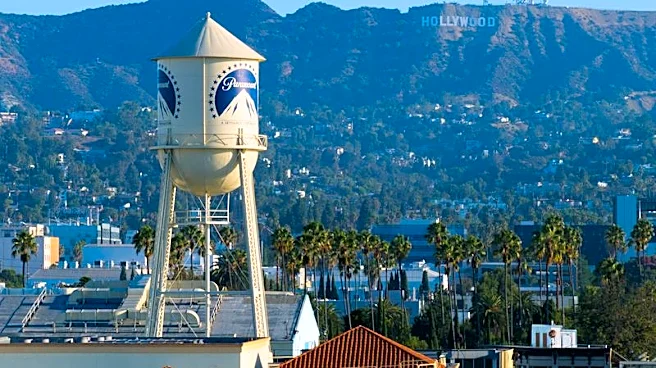
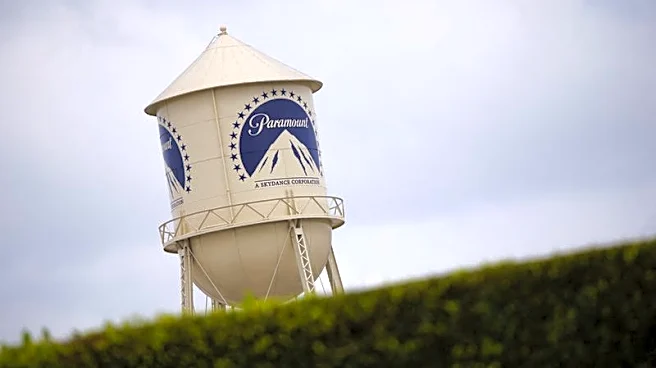
Paramount has reached a settlement with a coalition of U.S. states, effectively clearing the way for its acquisition of Warner Bros. Discovery. This agreement allows for the creation of a significant Hollywood entity encompassing television, news, and
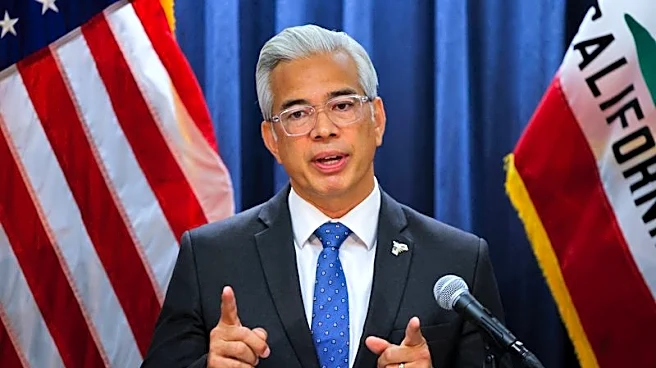
cinema. Paramount, led by David Ellison, secured control of assets including Warner Bros. Pictures, CNN, and HBO Max after a competitive bidding process against Netflix. The deal, one of the largest media mergers in recent years, received approval from the Trump administration in June without requiring business modifications. However, 12 U.S. states subsequently filed a lawsuit to block the transaction, citing concerns over potential anticompetitive practices and job losses within the industry. The financing for the acquisition reportedly includes approximately $24 billion in equity from sovereign wealth funds from Saudi Arabia, Qatar, and Abu Dhabi, with additional funding and guarantees provided by Larry Ellison, David Ellison's father and founder of Oracle.
Why It's Important?
This mega-merger carries significant implications for the U.S. entertainment and media landscape. The combined entity is projected to control roughly 27% of wide-release theatrical film distribution and a similar percentage of basic cable channel licensing, raising concerns about market concentration and reduced competition. Opponents in the movie industry have voiced fears that the merger could lead to substantial job cuts in Hollywood, an industry already facing pressures from consolidations and layoffs. Additionally, news media groups expressed apprehension regarding the potential compromise of CNN's editorial independence. The settlement terms reportedly include provisions for independent editorial boards for CBS News and CNN, and a financial penalty if Paramount fails to release 30 films annually in theaters. This deal underscores the increasing consolidation within the media sector and the role of international sovereign wealth funds in financing major U.S. corporate acquisitions.
What's Next?
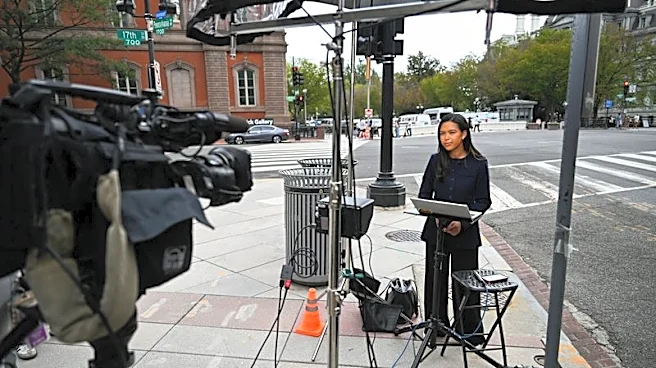
A formal announcement of the settlement is anticipated shortly. With the legal hurdles from the U.S. states largely resolved, Paramount can proceed with integrating Warner Bros. Discovery into its operations. The terms of the settlement, particularly those concerning editorial independence for news outlets and film release quotas, will be closely monitored by industry stakeholders and regulatory bodies. The merger's impact on employment in Hollywood and the diversity of film production will likely become clearer as the integration progresses. The ongoing lawsuit by CNN, Politico, and MS NOW against the Trump administration, following their ban from the White House, highlights broader tensions between media organizations and the administration, which could continue to influence the operational environment for the newly merged entity.
Beyond the Headlines
The Paramount-Warner Bros. merger highlights several deeper implications beyond immediate business and legal considerations. The involvement of significant financing from sovereign wealth funds raises questions about foreign influence in U.S. media and entertainment, and the potential long-term strategic interests of these international investors. The initial opposition from U.S. states, particularly California, underscores ongoing debates about antitrust enforcement and the balance between corporate growth and public interest, including job protection and media diversity. The reported threat by Paramount to relocate out of California if the lawsuit continued also points to the leverage large corporations can exert on state governments. This case could set precedents for how future mega-mergers in critical sectors are scrutinized and regulated, particularly concerning media independence and market concentration.