







What's Happening?
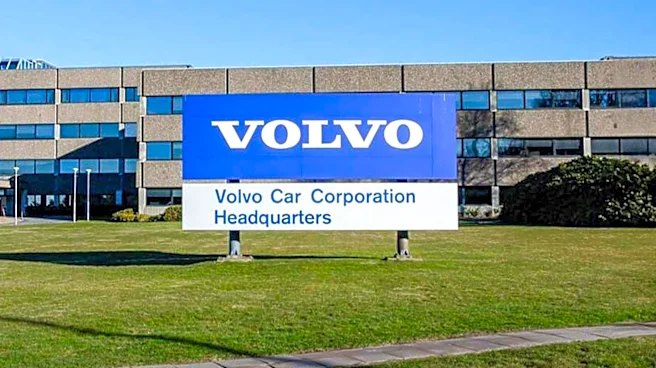
Volvo Cars is experiencing significant difficulties in the U.S. market, with consumer sentiment reaching a 50-year low, according to company executives. The automaker reported a third-quarter net loss of approximately $482 million globally and an operating
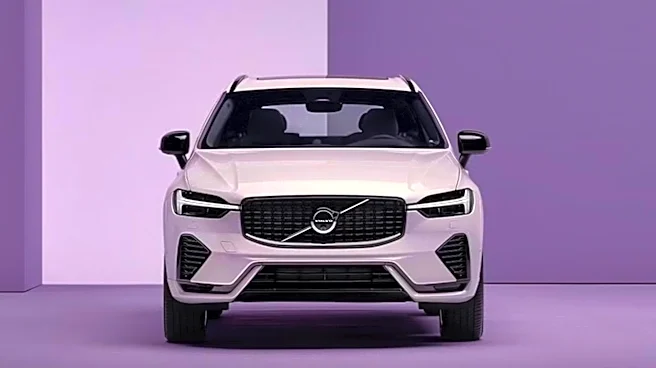
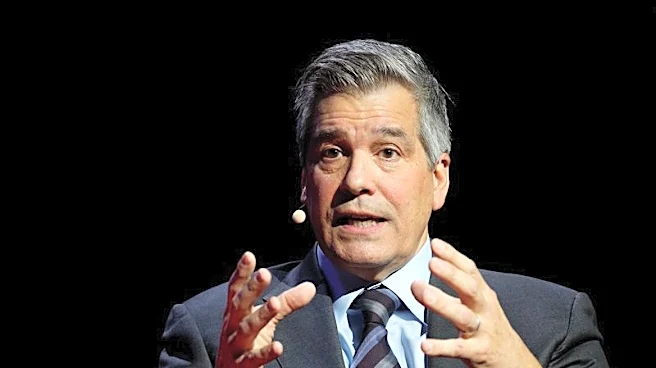
loss of $378 million, partly driven by headwinds in the United States. In the U.S., Volvo sold 23,766 vehicles in the third quarter of 2026, marking an 8.7% year-over-year decrease. This decline is attributed to weaker consumer sentiment, increased competition in the SUV segment, and softer demand for electrified vehicles. The company's Chief Commercial Officer, Erik Severinson, noted the challenging market conditions, while CEO Hakan Samuelsson admitted that Volvo had underestimated the impact of tariffs on its U.S. operations. To counter these issues, Volvo is focusing on increasing localization of production within the U.S. and has restructured its U.S. market into four regions to facilitate faster decision-making and improve sales. The discontinuation of its more affordable EV models, the EX30 and EX40, after the 2026 model year, and issues with the EX60 launch have also impacted dealer and customer sentiment.
Why It's Important?
The struggles faced by Volvo Cars in the U.S. market highlight broader challenges within the automotive industry, particularly concerning the adoption of electric vehicles and the impact of trade policies. The reported 50-year low in consumer sentiment for the brand could indicate a wider trend of consumer hesitancy or dissatisfaction within the premium automotive segment, potentially affecting other manufacturers. Volvo's decision to increase production localization in the U.S. underscores the strategic importance of domestic manufacturing in mitigating tariff impacts and supply chain vulnerabilities. This shift could lead to increased investment and job creation in U.S. manufacturing facilities, such as Volvo's plant in South Carolina, which is currently underutilized. The company's difficulties also reflect the competitive landscape for SUVs and electrified vehicles, where consumer preferences and government incentives play a crucial role. The discontinuation of certain EV models and the botched launch of others suggest that even established brands can misjudge market demand and product positioning, leading to financial setbacks and a loss of market share.
What's Next?
Volvo Cars plans to address its U.S. market challenges by significantly increasing production localization. The company's plant in South Carolina, currently operating at 20% capacity, is slated to produce the Volvo EX90 and will soon add the XC60. By the end of the decade, a next-generation hybrid model will also be built at this facility. Volvo is fast-tracking the production of long-range plug-in hybrid versions of the XC90 and XC60, with deliveries expected in the U.S. shortly after their European launch this year. Furthermore, Volvo has committed to introducing a new global EV in the U.S. from 2027 with a base price under $40,000, aiming to re-enter the more affordable EV segment. The company's regional restructuring of the U.S. market is intended to enable more agile responses to local market conditions. These strategic adjustments aim to stabilize the business, improve profitability, and regain consumer confidence in a highly competitive and evolving automotive landscape.
Beyond the Headlines
Volvo's current predicament in the U.S. market extends beyond immediate sales figures, touching upon critical long-term shifts in global manufacturing and consumer behavior. The emphasis on increasing localization reflects a broader industry trend towards regionalized supply chains, driven by geopolitical tensions, trade tariffs, and the desire for greater resilience against disruptions. This could signal a move away from highly globalized production models, potentially reshaping the automotive manufacturing footprint in the U.S. The challenges in EV demand, despite a global push towards electrification, highlight the complexities of consumer adoption, which can be influenced by factors like charging infrastructure, vehicle cost, and evolving government incentives. Volvo's experience also underscores the delicate balance between innovation and market readiness; a misstep in product launch or pricing strategy can have significant repercussions, even for brands with a strong reputation. The company's efforts to adapt could serve as a case study for other automakers navigating similar pressures in a rapidly transforming industry.