


What's Happening?
Red Bull Racing's junior team, Racing Bulls, has signaled a definitive shift from its previous driver development philosophy, largely associated with Helmut Marko. This change is underscored by the extension of Liam Lawson's contract, a move described
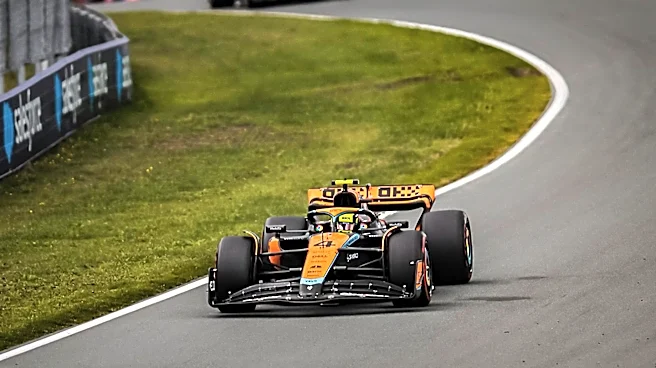
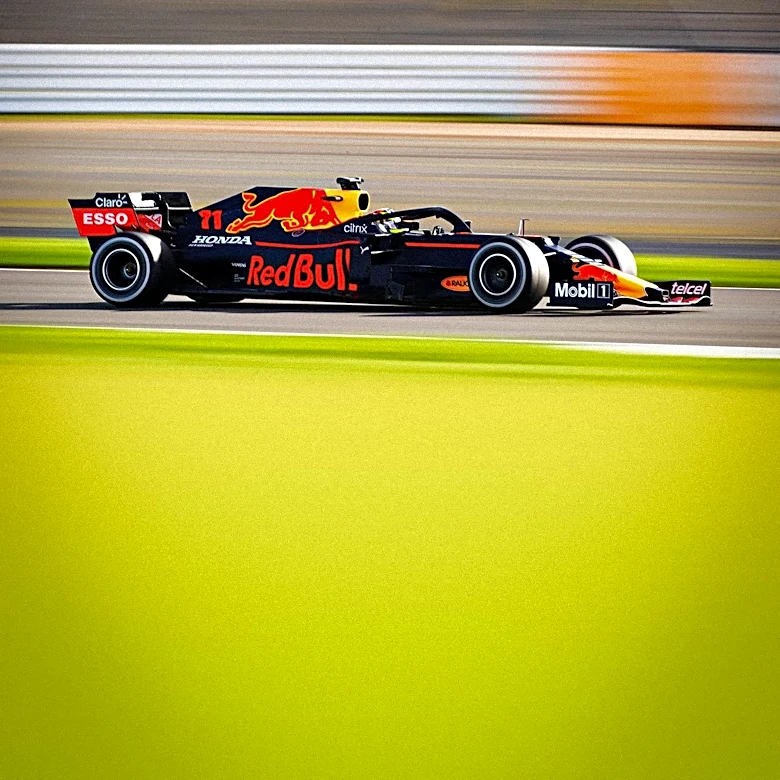
as both smart and logical for the team's future in Formula 1. Racing Bulls, formerly known for developing young drivers either for promotion to Red Bull Racing or subsequent dismissal, is now focusing on retaining its best drivers to achieve optimal results. The team is also under pressure from Red Bull headquarters to become more financially self-sufficient, requiring it to generate its own revenue rather than relying heavily on parent company funding. Lawson's performance has been crucial in this regard, as he has significantly contributed to the team's climb to fifth place in the constructors' championship, outscoring competitors like Alpine almost single-handedly. This strategic pivot emphasizes performance and financial independence over the sole pursuit of developing drivers for the main Red Bull team.
Why It's Important?
This strategic shift by Racing Bulls holds significant implications for the future of driver development within the Red Bull motorsport empire and potentially for other Formula 1 teams. By prioritizing current performance and financial self-sufficiency, Racing Bulls is moving away from a model that often saw promising young talents discarded if they didn't immediately fit Red Bull Racing's needs. This new approach could offer more stability and career longevity for drivers within the junior team, allowing them to mature and perform without the constant pressure of immediate promotion or dismissal. For Red Bull, it signifies a more diversified approach to its motorsport investments, aiming for two competitive teams rather than one primary team fed by a revolving door of junior talent. This could also impact the competitive landscape of Formula 1, as a stronger, more independent Racing Bulls could challenge established mid-field teams more consistently, leading to more dynamic races and constructor standings.
What's Next?
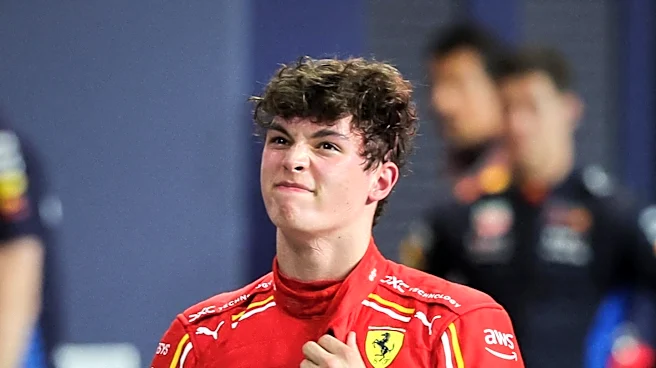
The immediate next steps for Racing Bulls will involve continuing to leverage Liam Lawson's performance to secure higher finishes in the constructors' championship, which directly translates to increased revenue. The team will likely focus on integrating its current talent, including Arvid Lindblad, who has also impressed, into a cohesive unit aimed at consistent performance. This new philosophy suggests that Racing Bulls will be more inclined to retain successful drivers rather than constantly seeking new talent for rapid promotion. This could lead to a more stable driver lineup and a more focused development path for the team as a whole. Other Formula 1 teams might observe this shift closely, potentially influencing their own junior driver programs, especially if Racing Bulls demonstrates sustained success with this new model. The emphasis on financial self-sufficiency will also mean continued efforts to attract sponsors and maximize prize money through on-track results.
Beyond the Headlines
The move by Racing Bulls beyond the 'Helmut Marko era' represents a broader evolution in how major motorsport organizations manage their talent pipelines and subsidiary teams. The previous model, while successful in identifying top-tier talent like Max Verstappen, also created a high-pressure environment that could be detrimental to many young drivers' careers. This new direction suggests a more sustainable and perhaps more humane approach to driver development, recognizing that not every talented driver is immediately ready for a top-tier seat and that a strong junior team can be valuable in its own right. Ethically, it addresses concerns about the mental toll on young drivers who were often discarded after short stints. Legally and contractually, it implies a shift towards longer-term commitments for drivers within the junior team, fostering loyalty and stability. Culturally, it could redefine what success looks like for a 'junior' team, moving beyond merely being a feeder system to becoming a competitive entity in its own right within the Formula 1 ecosystem.