
What's Happening?
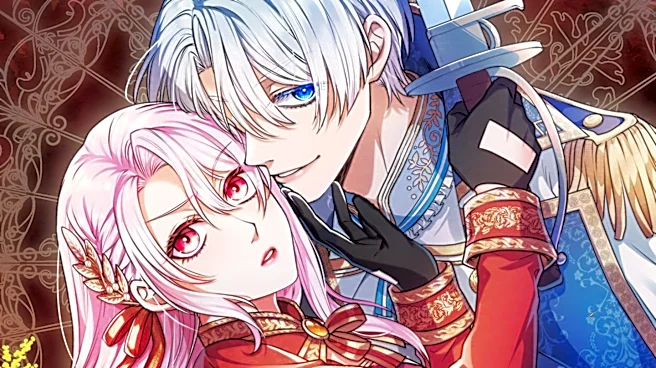
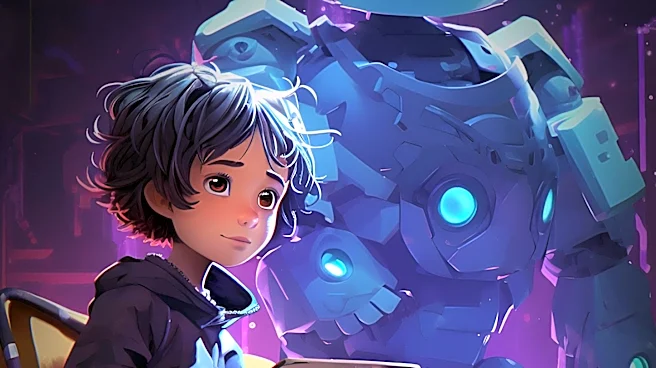
Midjourney, an independent research lab, is advancing the creation of AI-generated anime art through specific prompting techniques and dedicated models. The platform emphasizes the use of detailed, concise prompts, typically under 40 words, to achieve
cleaner and more specific anime-style images. Users are encouraged to include sub-styles like 'chibi' or 'shonen,' describe lighting and mood, and add unique character details to avoid generic outputs. Midjourney V5 and later versions are recommended for optimal anime results, with the Niji model specifically designed for anime and manga art. The company also advises using negative prompts to eliminate unwanted elements like extra limbs or blurry backgrounds and experimenting with aspect ratios for varied compositions. These methods aim to give users greater control and artistic freedom in generating AI anime art.
Why It's Important?
The advancements in Midjourney's AI anime art generation are significant for digital artists, content creators, and the broader creative industry. By providing tools and techniques for more precise and stylized outputs, Midjourney empowers users to produce high-quality, unique anime art without extensive traditional artistic skills. This democratizes art creation, allowing a wider range of individuals to bring their visions to life. The emphasis on specific prompts and dedicated models like Niji indicates a growing specialization within AI art, catering to niche aesthetic demands. This could lead to new forms of digital content, personalized media, and even impact the animation and gaming industries by streamlining concept art and character design processes. The ability to maintain character consistency across multiple images also opens avenues for narrative-driven AI art projects.
What's Next?
As Midjourney continues to refine its AI models and prompting capabilities, the next steps will likely involve further enhancements in stylistic control and consistency for AI-generated anime art. Users can expect more sophisticated tools for character design, background generation, and scene composition. The integration of AI video generators, as mentioned in the context of turning still images into animated clips, suggests a future where AI can produce more dynamic and narrative-rich anime content. The ongoing development of specialized models like Niji indicates a trend towards AI tools tailored for specific artistic genres, potentially leading to more diverse and nuanced AI art styles. The community's adoption of these advanced prompting techniques will also drive innovation, as users discover new ways to leverage the AI's capabilities.
Beyond the Headlines
Beyond the immediate utility for artists, Midjourney's advancements in AI anime art touch upon deeper implications regarding creativity, intellectual property, and the future of artistic labor. The ability of AI to generate complex and stylized art raises questions about the definition of authorship and originality in the digital age. As AI becomes more adept at mimicking and even innovating within specific art styles, the role of human artists may shift from direct creation to curation, prompt engineering, and conceptualization. There are also ethical considerations regarding the datasets used to train these AI models, particularly concerning copyright and fair use of existing anime and manga works. The increasing sophistication of AI art tools could also lead to a re-evaluation of artistic skill and value, potentially democratizing art while simultaneously challenging traditional artistic hierarchies.