







What's Happening?
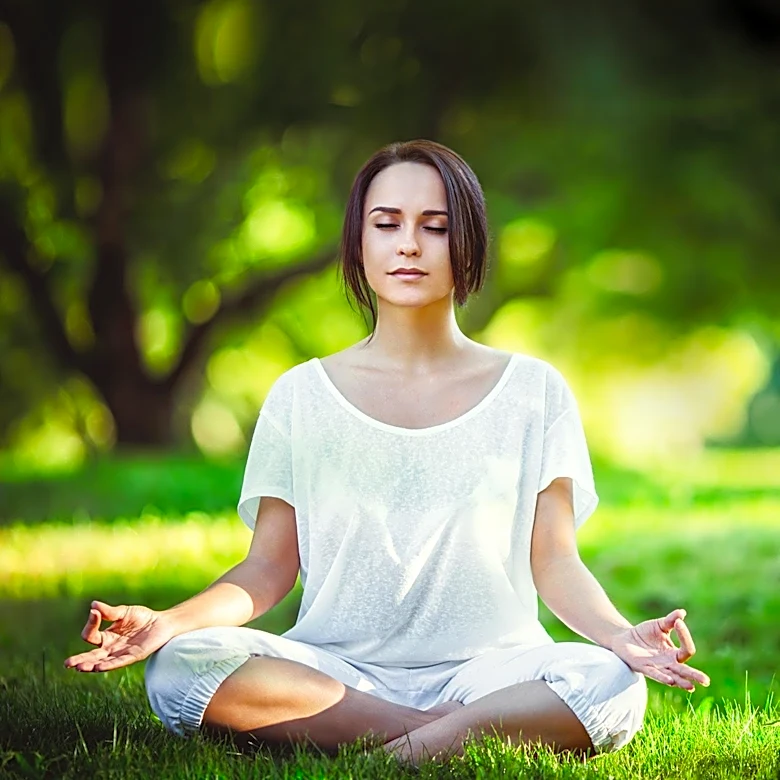
Mindfulness meditation, a practice rooted in Buddhist and Hindu teachings, involves focusing on the present moment and observing thoughts and emotions without judgment. It can be practiced through formal meditation sessions or integrated into daily activities.
To begin, individuals can sit and concentrate on deep breaths, paying attention to each inhalation and exhalation, as well as surrounding sensations like sounds, scents, and temperature. The practice encourages acknowledging thoughts and emotions without assigning negativity to them, which can help in understanding oneself better and addressing underlying challenges. Jon Kabat-Zinn is credited with introducing mindfulness to Western culture through his Mindfulness-Based Stress Reduction (MBSR) program in the late 1970s, initially to treat chronic pain. This approach shifted from avoiding pain to accepting it, leading to its integration into various therapeutic techniques such as Mindfulness-Based Cognitive Therapy and Dialectical Behavior Therapy.
Why It's Important?
Regular mindfulness practice, even for short durations like 10 minutes daily, has been shown to improve focused attention and overall well-being. This is particularly relevant in modern society where individuals often struggle with anxieties about the past and future, making it difficult to appreciate the present. By cultivating awareness and acceptance, mindfulness can reduce self-criticism and help manage difficult emotions. The integration of mindfulness into mainstream science and medicine highlights its recognized therapeutic value, offering a non-pharmacological approach to mental health. For working adults, brief daily meditation is a realistic and beneficial practice that can lead to steadier mornings, improved sleep, reduced relationship strain, and more thoughtful reactions. However, it is crucial for individuals with serious psychiatric disorders to practice mindfulness under the guidance of a mental health professional who is also a meditator, as unsupervised practice could pose risks.
What's Next?
The continued adoption of mindfulness practices is expected, with an emphasis on making it accessible and sustainable for individuals with busy lives. Future developments may focus on co-designing mindfulness homework that is small, consistent, and tailored to personal goals, rather than imposing lengthy, traditional meditation sessions. This approach aims to increase adherence and reduce feelings of guilt associated with missed practice. There will likely be further research into the optimal duration and methods of mindfulness practice for different populations, including the use of digital tools and guided audio to support practitioners. Additionally, the medical community may increasingly emphasize professional guidance for vulnerable populations to ensure safe and effective integration of mindfulness into mental health treatment plans.
Beyond the Headlines
The widespread embrace of mindfulness meditation signifies a broader cultural shift towards holistic well-being and mental health awareness. Beyond its immediate benefits, mindfulness encourages a deeper connection to one's inner experience and the external world, fostering a sense of presence that can counteract the pervasive distractions of modern life. It challenges the societal tendency to constantly strive for future achievements or dwell on past regrets, promoting a more balanced and accepting perspective. The ethical implications of mindfulness also extend to how it is taught and commercialized, ensuring that its core principles of non-judgment and compassion are maintained. As mindfulness becomes more integrated into various sectors, from education to corporate wellness, there is a need to ensure that its practice remains authentic and beneficial, avoiding superficial interpretations that might dilute its profound impact on personal and collective consciousness.