




What's Happening?
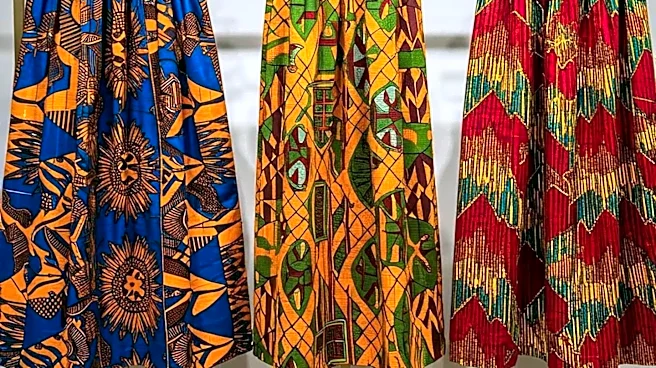
Ghana's Black Star Fashion Week recently concluded in Akosombo, Ghana's Eastern Region, showcasing the nation's cultural heritage, music, dance, and designs on a presidential runway. The event brought together traditional rulers, government officials,
industry players, and international partners to explore opportunities for growth, investment, and international collaboration within the fashion sector. Rex Owusu Marfo, coordinator of the Black Star Experience Secretariat, stated that the fashion week aimed to elevate Ghana's profile in the global fashion industry. Designers like George Tetteh of the Atto Tetteh brand emphasized the inspiration drawn from Ghanaian heritage and culture, while Titus Nartey Doku, a designer who repurposes used clothes, highlighted the need for concerted efforts to help local designers reach international audiences. The event was deliberately held outside a conventional city hall to showcase Ghana's beauty beyond its capitals and position Akosombo as a premium tourist destination.
Why It's Important?
This initiative is crucial for Ghana's economic development and cultural diplomacy, as it seeks to transform its rich cultural heritage into a globally recognized fashion industry. By attracting international partners and showcasing local talent, Black Star Fashion Week aims to create investment opportunities, foster collaborations, and boost exports of Ghanaian designs. This effort can generate employment, particularly for artisans and designers, and contribute to the national GDP. For the U.S. market, this represents an emerging source of unique fashion and cultural products, potentially diversifying consumer choices and fostering new trade relationships. It also highlights the growing trend of African nations leveraging their cultural assets to gain a stronger foothold in global creative economies, challenging traditional fashion hubs and promoting a more inclusive international industry.
What's Next?
The organizers and participants of Black Star Fashion Week are calling for sustained efforts and investments from stakeholders, including the government, media, and buyers, to further promote Ghanaian fashion on the global stage. This includes strengthening the local textile industry and creating more avenues for designers to showcase their work internationally. Future editions of the fashion week are likely to continue focusing on cultural immersion and strategic partnerships to build on this momentum. The goal is to establish Ghana as a significant player in the global fashion landscape, moving beyond showcasing to actively participating in international trade and design innovation. Continued engagement with international partners will be key to achieving these long-term objectives.
Beyond the Headlines
Beyond its immediate economic and industry goals, Black Star Fashion Week plays a vital role in cultural preservation and identity affirmation. By emphasizing Ghanaian heritage, music, and dance, the event reinforces national pride and provides a platform for traditional artistry to evolve within a contemporary context. The focus on designers like Titus Nartey Doku, who transforms used clothes, also highlights a growing emphasis on sustainability and ethical practices within the fashion industry, aligning with global trends towards responsible consumption and production. This initiative can inspire other nations to explore similar strategies for cultural and economic development, demonstrating how local traditions can be a powerful engine for global engagement and innovation, while also addressing environmental concerns.