








What's Happening?
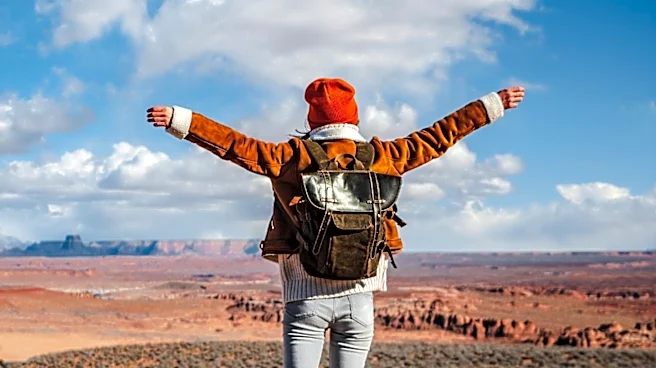
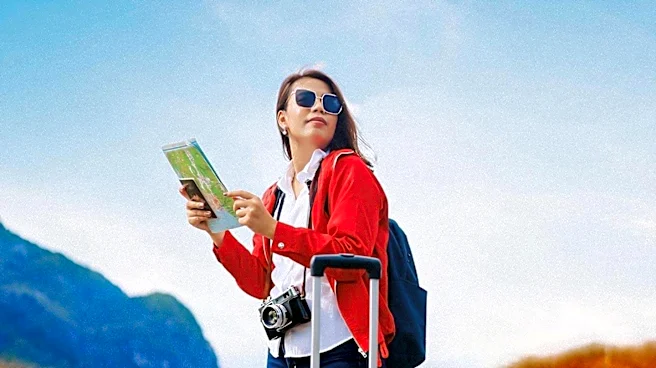
Solo travel provides individuals with significant flexibility and independence, allowing them to make decisions without the need to compromise with companions. This mode of travel fosters self-reliance and independence, as individuals are solely responsible
for planning, transportation, accommodation, and communication. While solo travel emphasizes independence, it does not necessarily mean constant solitude; travelers can still engage in group activities, meet new people, and form temporary friendships. The initial days of a solo trip can be structured with planned activities to facilitate social interaction, with subsequent days allowing for more spontaneous decisions. This approach helps solo travelers balance their desire for independence with opportunities for connection.
Why It's Important?
The growing trend of solo travel highlights a shift in how individuals approach personal development and leisure. For many, particularly those in caregiving roles, solo travel offers a crucial opportunity for self-rejuvenation and rediscovery of personal identity, which can often be overshadowed by daily responsibilities. This type of travel can reduce stress by eliminating the complexities of group dynamics and decision-making, allowing for a more personalized and fulfilling experience. The emphasis on self-reliance and independent decision-making can also translate into enhanced confidence and problem-solving skills applicable to various aspects of life, benefiting individuals' personal and professional growth. The ability to choose when to engage with others and when to seek solitude caters to diverse personal needs, making solo travel a versatile option for many.
What's Next?
As solo travel continues to gain popularity, the travel industry is likely to adapt by offering more tailored services and accommodations. This could include an increase in solo-friendly tours, retreats, and lodging options designed to cater to the specific needs and preferences of independent travelers. There may also be a greater focus on safety resources and community-building platforms for solo adventurers, addressing concerns about security and potential loneliness. Travel companies and destinations might develop specialized itineraries that blend structured activities with ample free time, allowing for both social engagement and personal exploration. This evolution will further support individuals seeking the unique benefits of traveling alone, making it more accessible and appealing to a broader demographic.
Beyond the Headlines
Beyond the immediate benefits of flexibility and independence, solo travel can have profound psychological and cultural implications. It challenges individuals to step outside their comfort zones, confront personal biases, and develop a deeper understanding of themselves and the world. The experience of navigating unfamiliar environments alone can lead to significant personal growth, fostering resilience, adaptability, and a heightened sense of self-awareness. Culturally, solo travel can promote more authentic interactions with local communities, as individuals are often more open to engaging with their surroundings without the buffer of travel companions. This can lead to richer cultural exchanges and a more nuanced appreciation of diverse perspectives, contributing to a more interconnected and empathetic global society.