



What's Happening?
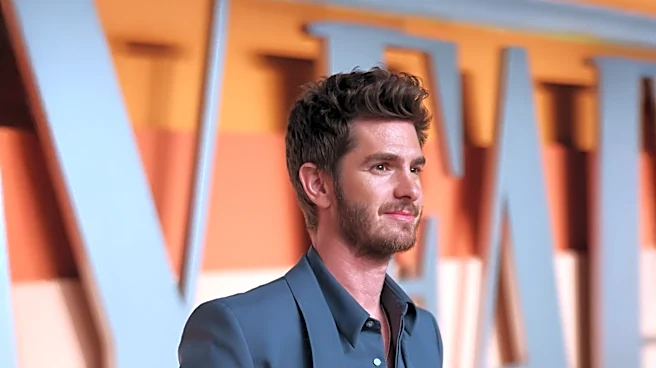
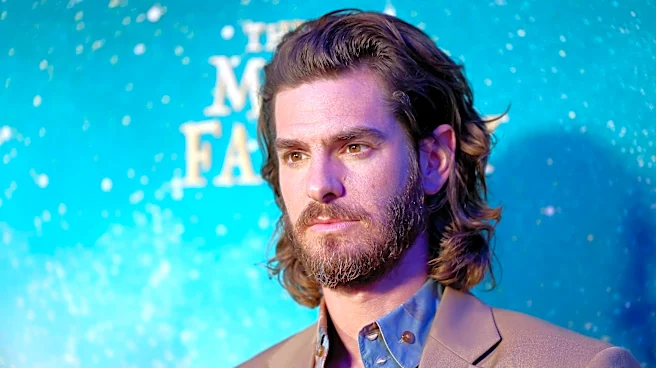
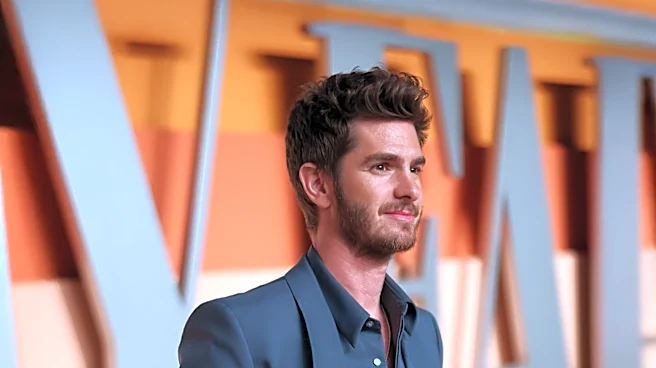
Luca Guadagnino's new film, 'Artificial,' is scheduled for release in French cinemas on January 27, 2027. The movie, which premiered at the New York Film Festival, is a fictionalized account of the rise of artificial intelligence, with Andrew Garfield
portraying Sam Altman and Yura Borisov as Ilya Sutskever. The narrative begins in 2003, following Sutskever's early work in artificial neural networks under Geoffrey Hinton, played by Mark Rylance. It then progresses to his collaboration with Sam Altman and the establishment of OpenAI, detailing the power struggles that emerged as the company grew. Written by Simon Rich, the film delves into two decades of AI research, exploring the interplay between technological innovation, personal ambition, and responsibility. The cast also includes Monica Barbaro, Cooper Hoffman, Ike Barinholtz, Jason Schwartzman, and Chris O’Dowd, with Damon Albarn composing the score and contributing original songs. Guadagnino reportedly did not meet with Sam Altman during the film's preparation to maintain his independence in portraying the character.
Why It's Important?
The release of 'Artificial' is significant as it brings a high-profile cinematic exploration to the complex and rapidly evolving field of artificial intelligence, a topic of increasing national and global importance. By dramatizing the origins and internal dynamics of OpenAI, a leading AI research organization, the film could shape public perception and understanding of AI development, its ethical implications, and the personalities driving it. The portrayal of figures like Sam Altman and Ilya Sutskever, key players in the AI landscape, by prominent actors like Andrew Garfield, could humanize the often abstract world of technology and highlight the personal ambitions and responsibilities involved. This film's narrative, focusing on power struggles and ethical considerations within AI, could spark broader discussions among policymakers, industry leaders, and the public about the future direction and regulation of AI technology in the U.S. and worldwide. The film's potential Oscar run, as noted by critics, further elevates its platform for influencing public discourse on AI.
What's Next?
With its French cinema release slated for January 27, 2027, 'Artificial' is expected to generate considerable discussion and critical review, particularly given its premiere at the New York Film Festival. The film's exploration of the internal crises and ethical dilemmas within OpenAI could prompt renewed scrutiny of AI governance and corporate responsibility within the tech sector. The movie's success could also pave the way for more mainstream productions tackling the complexities of artificial intelligence, potentially influencing how the public perceives the technology and its creators. Furthermore, the film's artistic interpretation of real-world events and figures may lead to reactions from the individuals portrayed or their organizations, potentially opening new dialogues about the accuracy and impact of such cinematic adaptations on public understanding of technological advancements.
Beyond the Headlines
The film 'Artificial' delves into the deeper implications of technological innovation, personal ambition, and responsibility within the context of artificial intelligence. By fictionalizing the rise of OpenAI and its key figures, the movie implicitly raises questions about the ethical frameworks guiding AI development and the potential societal impact of advanced AI. The narrative's focus on power struggles and the drive to 'win' the AI race, as described by critics, highlights the competitive and sometimes cutthroat nature of the tech industry. This cinematic portrayal could contribute to a broader cultural conversation about humanity's relationship with increasingly intelligent machines, prompting reflection on whether society is adequately prepared for the profound changes AI may bring. The film's ability to command the 'easy energy of a blockbuster' while posing 'profound questions' suggests it aims to engage a wide audience in contemplating the existential and ethical dimensions of AI, moving beyond mere technological advancement to explore its human and societal consequences.