






What's Happening?
Jessica Lefkowitz, a marathon runner, experienced unexpected high temperatures during the Berlin Marathon in September 2025, which forced her to adjust her race strategy. The World Meteorological Organization confirmed that the past 11 years have been
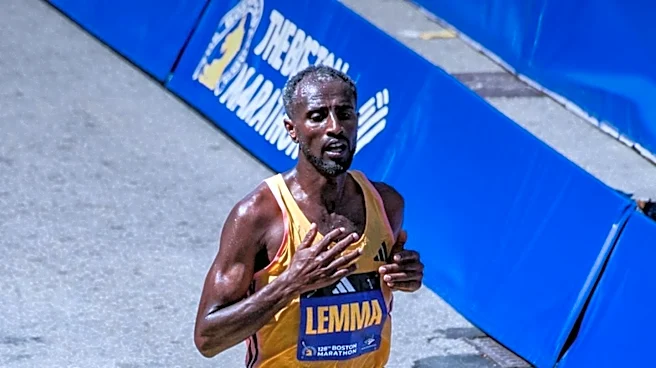
the hottest on record globally, affecting marathon conditions worldwide. A Climate Central analysis predicts that by 2045, 86% of marathons will face less ideal running temperatures. Recent marathons in the U.S., such as the Shamrock Marathon and the L.A. Marathon, have already experienced high temperatures, impacting runner safety and performance. As running remains popular, with record applications for major marathons, adapting training and race strategies to heat is becoming crucial.
Why It's Important?
The increasing temperatures pose significant health risks to marathon runners, including heat exhaustion and heat stroke. This trend necessitates changes in how runners prepare and compete, emphasizing the importance of heat acclimatization and hydration strategies. The popularity of marathons continues to grow, making it essential for organizers to implement safety measures and for runners to adapt their training. The economic impact on the sports industry is also notable, as marathons attract significant tourism and sponsorships. Ensuring runner safety in high temperatures is critical to maintaining the sport's growth and appeal.
What's Next?
Marathon organizers may need to consider altering race schedules, providing additional cooling stations, and offering early finish options to ensure runner safety. Runners will likely need to incorporate heat training into their routines and develop personalized hydration and cooling strategies. The sports industry may see increased demand for products and services that aid in heat management, such as cooling apparel and hydration technology. As climate change continues to affect global temperatures, the sports community will need to adapt to ensure the safety and enjoyment of participants.