





What's Happening?
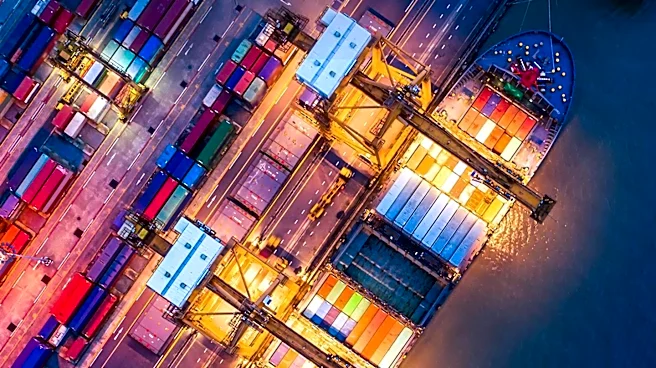
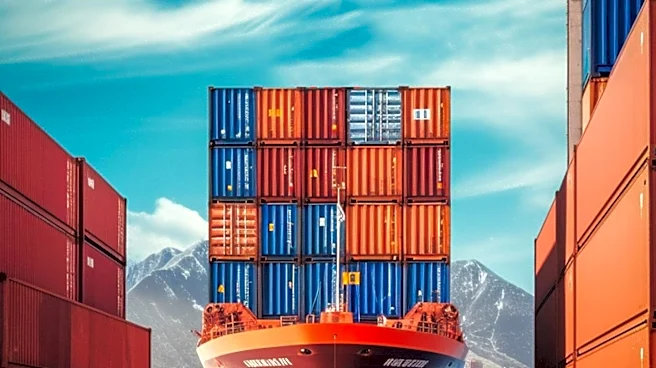
The Silk Road Maritime logistics enterprise has significantly expanded its global shipping network, now connecting 153 international ports across 50 countries and regions. This expansion was highlighted at the 8th Silk Road Maritime International Cooperation
Forum in Xiamen, East China's Fujian Province, where 12 new routes were announced, bringing the total to 160 named routes. One notable addition is the first officially named Silk Road Maritime shipping route to a European port, specifically Poland's Gdansk Port, which is Europe's largest deep-water container terminal. This new route aims to strengthen connections between sea and rail, and between China and the EU, facilitating trade in both directions. The network's services now encompass container transport, bulk cargo, iron ore, and cross-border e-commerce, demonstrating a diverse and increasingly dense transport web. Over eight years of operation, the network has accumulated more than 25,000 vessel calls on its container routes, with cargo throughput exceeding 30 million 20-foot equivalent units.
Why It's Important?
The expansion of the Silk Road Maritime network holds significant implications for global trade and supply chain stability, particularly in an era of volatile markets and uncertainty. For the U.S., while not directly a part of the Silk Road Maritime, the increased efficiency and connectivity in other major trade corridors can indirectly affect global shipping rates, availability of goods, and competitive landscapes. The enhanced links between China and the EU, for instance, could streamline the flow of goods, potentially impacting U.S. businesses that compete with or source from these regions. The network's focus on diverse cargo, including bulk commodities like iron ore, also underscores its role in securing critical raw material supplies, which can have ripple effects on global commodity markets. The initiative is seen as a crucial component of China's Belt and Road Initiative (BRI), aiming to create durable links in a fragmented world and anchor trade through practical, point-to-point connectivity. This broader integration of global logistics infrastructure could influence U.S. trade policies and strategic partnerships as it seeks to maintain its own competitive edge in international commerce.
What's Next?
The Silk Road Maritime initiative is expected to continue its expansion and integration efforts, focusing on further optimizing multimodal logistics, such as sea-rail combined transport and waterborne cargo transfer. Xiamen Port, a key starting point for the network, plans to deepen its presence in high-value niche sectors, including cold chain, hazardous chemicals, and new energy cargo shipping. This suggests a future where the network will not only grow in geographical reach but also in the sophistication and specialization of its services. Stakeholders, including port authorities and logistics firms, are likely to explore deeper cooperation in areas such as port digitalization, artificial intelligence, green transition, and supply chain resilience, as discussed at the recent forum. The ongoing development of these routes and services will likely lead to more efficient and potentially lower-cost shipping options for goods moving between Asia, Europe, and other connected regions, which could influence global trade patterns and investment flows. The long-term goal is to foster more two-way investment and economic and trade exchanges, moving beyond traditional port-to-port collaboration.
Beyond the Headlines
Beyond the immediate economic and logistical benefits, the expansion of the Silk Road Maritime network carries deeper geopolitical and strategic implications. As a core pillar of China's Belt and Road Initiative, it represents a significant effort to reshape global trade routes and enhance China's influence in international commerce and infrastructure development. The emphasis on 'open cooperation' and creating 'durable links in a fragmented world' suggests a narrative of global integration under Chinese leadership, which could challenge existing international trade frameworks and alliances. The network's ability to stabilize supply chains in an uncertain era also positions it as a critical tool for economic resilience, potentially offering an alternative to traditional Western-dominated shipping lanes. This long-term shift in global logistics infrastructure could lead to new economic dependencies and realignments of trade partnerships, impacting the strategic interests of the U.S. and its allies. The integration of advanced technologies like digitalization and AI in port operations also highlights a broader trend towards technologically driven efficiency in global trade, setting new standards for maritime logistics worldwide.