
What's Happening?
Smithfield Foods, a prominent global food company and the world's largest pork processor and hog producer, is actively seeking a Director, EHS Regulatory – Water and Wastewater Treatment Design. This role
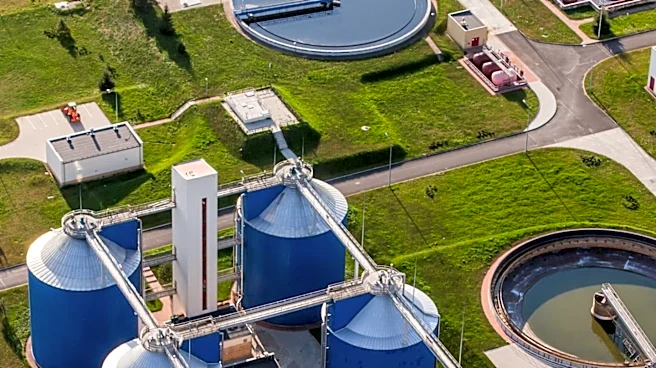
is critical for leading and innovating in water and wastewater treatment compliance and operational excellence across all Smithfield facilities in the United States. The selected individual will be responsible for providing guidance on daily operations, developing standard operating procedures, and ensuring compliance with local, state, and federal regulations. The position also involves delivering training to operators, ensuring environmental compliance, and developing innovative treatment methods for potable water and wastewater facilities. Furthermore, the director will serve as a subject matter expert in various wastewater treatment processes, including anaerobic, aeration, Biological Nutrient Removal, and disinfection operations. This initiative underscores Smithfield Foods' commitment to sustainability and adherence to environmental standards in its extensive operations.
Why It's Important?
This hiring initiative by Smithfield Foods highlights a significant focus on environmental compliance and sustainable practices within the U.S. food processing industry. As a major player, Smithfield Foods' investment in a high-level position dedicated to water and wastewater treatment design reflects increasing regulatory scrutiny and public demand for corporate environmental responsibility. Effective management of water and wastewater is crucial for large-scale agricultural and food processing operations to mitigate environmental impact, conserve resources, and maintain public health standards. This move could set a precedent for other companies in the sector, influencing industry-wide best practices for environmental stewardship. For communities near Smithfield facilities, this could mean improved water quality and reduced environmental risks. The emphasis on innovative treatment methods also suggests a push towards more advanced and efficient solutions, potentially driving technological advancements in industrial wastewater management.
What's Next?
The successful candidate for the Director, EHS Regulatory – Water and Wastewater Treatment Design position will be tasked with implementing and overseeing comprehensive water and wastewater management strategies across Smithfield Foods' U.S. operations. This will involve developing and enforcing new policies, conducting training programs for facility operators, and ensuring all facilities are prepared for inspections and audits. The role will also entail leading regulatory compliance disputes with agencies such as OSHA and EPA, coordinating with legal teams as necessary. The company's continued commitment to sustainability and community support, including addressing food insecurity and supporting veterans, suggests that environmental performance will remain a key component of its corporate strategy. This strategic hire is expected to bolster Smithfield Foods' environmental compliance framework and potentially lead to the adoption of more sustainable practices throughout its extensive network of facilities.
Beyond the Headlines
The creation of this specialized director role at Smithfield Foods points to a broader trend of increasing environmental governance and corporate accountability in the U.S. industrial sector. Beyond mere compliance, the emphasis on 'innovative approaches' and 'data-driven decision-making' suggests a proactive stance towards environmental challenges, potentially transforming how large-scale food producers manage their ecological footprint. This could lead to a competitive advantage for companies that prioritize advanced environmental technologies and sustainable practices, influencing consumer perception and investor confidence. The ethical implications extend to the responsibility of corporations to protect natural resources and contribute positively to the communities in which they operate. This development could also spur greater collaboration between industry, regulatory bodies, and environmental organizations to develop and implement more effective and sustainable solutions for water and wastewater management.