







What's Happening?
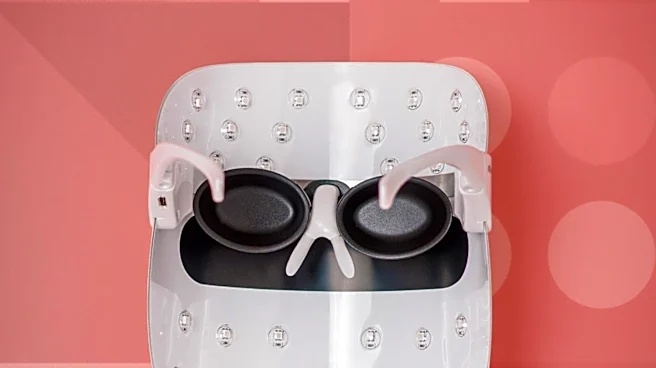
Red light therapy is being considered as a non-surgical option for addressing visible facial lines, though experts emphasize setting realistic expectations. This treatment utilizes specific wavelengths of red and near-infrared light, which are studied
for their potential to influence cellular activity, a process scientifically termed photobiomodulation. While some devices use only red light, others incorporate near-infrared light, or both. It's crucial for individuals to understand that red light therapy does not promise to erase wrinkles, nor is it a substitute for medical dermatology care. The effectiveness can vary significantly based on the device, light intensity, exposure time, distance from the skin, and the treatment schedule. For instance, a 2014 study published in Photomedicine and Laser Surgery reported improvements in wrinkle depth and skin texture among participants, but these findings are specific to the study's conditions and do not guarantee similar results from every device or service. Consumers are advised to clarify their specific skin concerns, such as fine lines versus deeper wrinkles or skin laxity, as different treatments are designed for different issues.
Why It's Important?
The growing interest in red light therapy for facial wrinkles highlights a broader trend in the U.S. towards non-invasive cosmetic procedures and wellness treatments. This trend impacts the beauty and wellness industry, driving innovation in device development and service offerings. For consumers, it underscores the importance of informed decision-making and critical evaluation of marketing claims, especially given the variability in device efficacy and treatment protocols. The distinction between general wellness positioning and specific cosmetic goals is vital; a service marketed broadly as 'red light therapy' may not be specifically designed or effective for facial wrinkles. This situation creates both opportunities and challenges for businesses, as they must balance consumer demand for non-surgical solutions with ethical marketing and transparent communication about potential outcomes. The emphasis on realistic expectations also influences how healthcare professionals, particularly dermatologists, might counsel patients seeking cosmetic improvements, potentially leading to more integrated approaches that combine spa treatments with medical advice.
What's Next?
As red light therapy continues to gain traction, the industry will likely see further research into specific wavelengths, intensities, and protocols to optimize results for various skin concerns. Consumers can expect a continued proliferation of both at-home devices and professional services, necessitating clearer guidelines and standards for efficacy and safety. Businesses offering these services will need to focus on transparent communication regarding the capabilities and limitations of red light therapy, differentiating it from other treatments like facials or non-invasive facial lifts. Individuals considering red light therapy for facial wrinkles should prioritize consultations that define their main concern, set realistic goals, and share relevant health information. This proactive approach will help ensure that treatment plans are tailored and expectations are managed, fostering a more informed and satisfied consumer base. The ongoing scientific exploration of photobiomodulation will also likely lead to a deeper understanding of its biological mechanisms and potential applications beyond cosmetic uses.
Beyond the Headlines
The discussion around red light therapy for facial wrinkles touches upon deeper societal implications concerning beauty standards, aging, and the pursuit of youthfulness. The demand for non-surgical cosmetic interventions reflects a cultural desire to mitigate visible signs of aging without the invasiveness or recovery time associated with surgical procedures. This trend can influence self-perception and body image, potentially creating pressure to conform to certain aesthetic ideals. Ethically, the marketing of such therapies requires careful consideration to avoid creating unrealistic expectations or exploiting insecurities. The distinction between cosmetic enhancement and medical treatment is crucial, as is the need for consumers to understand that 'wellness' claims do not equate to guaranteed 'wrinkle erasure.' This also highlights the broader challenge of regulating emerging beauty technologies, ensuring that scientific evidence supports claims and that consumer safety is prioritized. The long-term impact on public health and consumer trust will depend on the industry's commitment to transparency and responsible innovation.