





What's Happening?
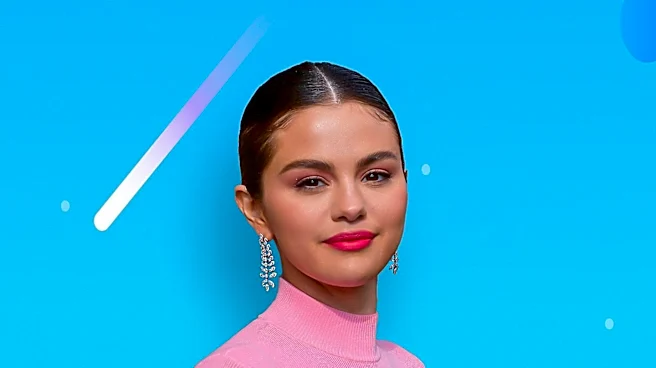
Selena Gomez's beauty brand, Rare Beauty, has achieved significant success by integrating authenticity and a clear purpose into its business strategy. Unlike many celebrity-backed brands, Rare Beauty's identity is deeply intertwined with Gomez's personal
experiences, including her openness about mental health, chronic illness, and insecurities. The brand's core mission is to challenge unrealistic beauty standards and promote individuality, a message consistently reflected in its product descriptions, customer communications, and support for mental health initiatives. This approach has resonated with consumers, demonstrating that a brand built on genuine beliefs and vulnerability can foster trust and lasting growth. Rare Beauty's success is presented as a case study for entrepreneurs looking to build strong brands by connecting their personal stories and values to their business offerings, moving beyond mere product sales to create a community around shared interests and beliefs.
Why It's Important?
Rare Beauty's model highlights a significant shift in consumer expectations within the U.S. market, particularly in the beauty industry. Consumers are increasingly seeking brands that align with their values and demonstrate social responsibility, moving beyond superficial marketing to demand genuine purpose. This trend impacts not only the beauty sector but also broader U.S. industries, as companies recognize the importance of authenticity and social impact for brand loyalty and growth. For entrepreneurs, Rare Beauty's success underscores the strategic value of transparency and vulnerability, showing that sharing personal challenges and connecting them to a brand's mission can build deeper customer relationships. The brand's commitment to mental health advocacy, exemplified by the Rare Impact Fund, also sets a precedent for corporate social responsibility, demonstrating how businesses can integrate philanthropic efforts directly into their core identity, thereby influencing public perception and potentially encouraging other companies to adopt similar models.
What's Next?
The continued success of Rare Beauty suggests a future where authenticity and social purpose will become even more critical for brand differentiation and consumer engagement in the U.S. market. Other celebrity and non-celebrity brands are likely to emulate Rare Beauty's strategy, focusing on building communities around shared values and integrating social impact initiatives into their business models. This could lead to a more socially conscious marketplace, where consumers increasingly prioritize brands that demonstrate genuine commitment to causes beyond profit. For Rare Beauty itself, the ongoing challenge will be to maintain its authentic voice and expand its impact, potentially through new product lines that further align with its mission or by broadening the scope of the Rare Impact Fund's initiatives. The brand's trajectory will serve as a benchmark for how businesses can effectively blend commercial success with meaningful social contributions.
Beyond the Headlines
Rare Beauty's approach delves into the deeper cultural and psychological dimensions of consumerism in the U.S. It challenges the long-standing industry norm of promoting unattainable beauty standards, instead fostering a culture of self-acceptance and individuality. This shift has profound implications for mental well-being, particularly among younger demographics who are often exposed to idealized images online. By openly addressing mental health and chronic illness, Selena Gomez and Rare Beauty are destigmatizing these issues, encouraging open dialogue, and providing resources through the Rare Impact Fund. This extends beyond a simple business transaction, creating a platform for social change and contributing to a more inclusive definition of beauty. The brand's success also highlights the evolving role of celebrities as entrepreneurs, moving from mere endorsements to actively shaping brand identities that reflect their personal values and advocate for social causes, thereby influencing public discourse and consumer behavior on a broader scale.